
24/7 Customer Support

Free returns

Same-day & Next-day Delivery

Quality Guaranteed

Unlock Your Welcome Offers: FREE Delivery | Up to 80% OFF | Free 30-day JoyPlus trial
Download the APP
Navigating the world of bean curd can feel overwhelming. You see shelves lined with products labelled as tofu puffs, bean curd sheets and dried tofu snacks, all promising an authentic taste of East Asian cuisine. Yet, it's easy to make a misstep, ending up with a product that doesn't suit your recipe and leads to a disappointing meal. As the Joybuy Product Recommendation Officer, my role is to help you understand these differences so you can choose with confidence.
Many home cooks in the UK run into a few common pitfalls. The most frequent is a texture mismatch—buying firm, chewy dried tofu for a soup that requires soft, absorbent puffs. Another issue is misunderstanding the preparation required; some products are ready-to-eat snacks, while others need to be cooked thoroughly in a hot pot or stir-fry. Using a savoury, pre-seasoned Japanese inari pocket in a Chinese braised dish, for example, can clash with the intended flavour profile. This guide will help you avoid these simple mistakes.
To select the right product, you need to look past the packaging and focus on a few core characteristics. Understanding these will ensure your vegetarian protein source perfectly matches your culinary plans.
The physical form of bean curd is the most significant indicator of its use. Each shape is designed for a specific cooking method and textural outcome.
How the bean curd is processed determines its flavour and how you should use it.
By checking whether a product is plain fried, dried and seasoned for snacking or seasoned for a specific recipe, you can avoid flavour clashes and textural disappointments.
To make things simpler, here are a few recommendations matched to different needs, helping you find the right product for your kitchen.

Why This Fits Their Persona: This platter is ideal for anyone hosting a hot pot night or who enjoys variety. It contains four different types of Chinese tofu products—frozen tofu, bean curd sheets, fried puffs and fried rolls—each offering a different texture for soaking up flavourful broth.
It removes the guesswork of which tofu to buy for hot pot by providing a curated selection. You get to experience how different textures interact with the broth without having to buy four separate large packs.
Offers a complete hot pot tofu experience in one convenient package. Each component is specifically chosen for its ability to absorb broth and provide a satisfying texture.
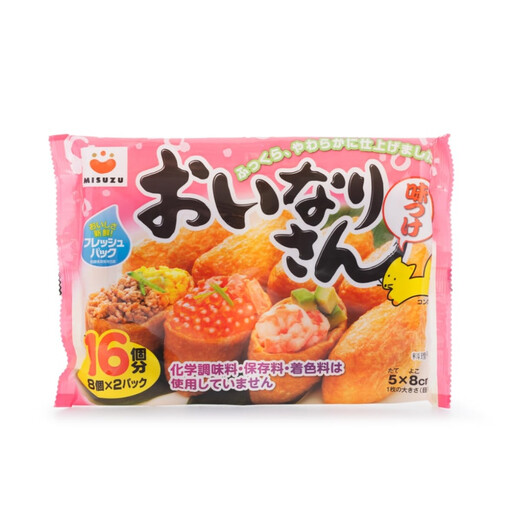
Why This Fits Their Persona: For anyone in the UK wanting to make authentic Japanese inari sushi at home, this is the go-to product. These inari tofu pockets are pre-seasoned and ready to be filled with sushi rice, saving significant preparation time.
It prevents the common mistake of buying plain, unseasoned fried tofu for sushi. The sweet and savoury seasoning is already perfectly balanced, ensuring an authentic taste without any extra effort.
Convenient and ready to use straight from the pack. It is also Halal-certified, making it accessible to a wider range of dietary preferences.
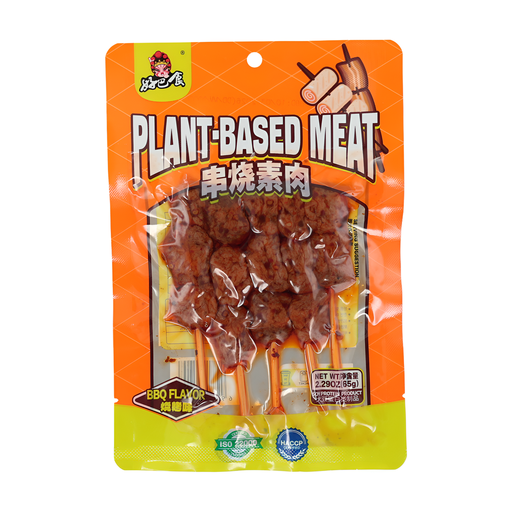
Why This Fits Their Persona: This is for someone looking for a flavourful, high-protein **ready to eat tofu** snack. The firm, chewy texture and smoky barbecue flavour provide a satisfying alternative to crisps or other conventional snacks.
Its format as a skewed, individually packaged snack makes its purpose clear. This prevents you from accidentally buying a chewy, seasoned snack when you need a soft, neutral tofu for cooking.
Portable and ready to eat, making it a great on-the-go option. The product offers a satisfying, meaty texture derived from plant-based protein.
We have compiled a complete, real-time list of products that fully satisfy these strict selection criteria and UK safety regulations.
In English, the terms "tofu" and "bean curd" are often used interchangeably. Both refer to products made from coagulated soy milk. "Tofu" is the Japanese name, while "bean curd" is a more direct English translation of the Chinese name, doufu. Generally, you can consider them to mean the same thing, but the specific product name (e.g., "fried bean curd puffs" or "silken tofu") will give you more information about its texture and intended use.
Storage depends on the type:
Always check the storage instructions on the packaging for specific guidance.
While many types of fried tofu work, fried tofu puffs are the most suitable choice for hot pot. Their light, spongy structure is designed to absorb the maximum amount of broth, becoming juicy and flavourful. Other products, like firm fried tofu cubes or seasoned snacks, will not absorb liquid as effectively and will result in a less satisfying texture.