
24/7 Customer Support

Free returns

Same-day & Next-day Delivery

Quality Guaranteed

Unlock Your Welcome Offers: FREE Delivery | Up to 80% OFF | Free 30-day JoyPlus trial
Download the APP
Navigating the world of East Asian bean paste can feel overwhelming. You have a recipe for Mapo Tofu or a Korean stew, but the supermarket aisle presents a wall of jars and tubs, all labelled "bean paste." Choosing the wrong one is a common misstep that can leave your carefully prepared meal tasting nothing like you intended. As the Joybuy Product Recommendation Officer, my role is to help you understand the key differences so you can select the right product with confidence.
Many home cooks in the UK fall into a few common traps. Let's look at how to avoid them.
To ensure you get the flavour you're looking for, focus on these two core parameters when selecting a bean paste.
The foundation of any bean paste is its primary ingredient and how it's fermented. This determines its core flavour profile.
The form of the paste dictates how you should use it in the kitchen.
To help you choose, we've matched some popular options to the cooks who will appreciate them most.
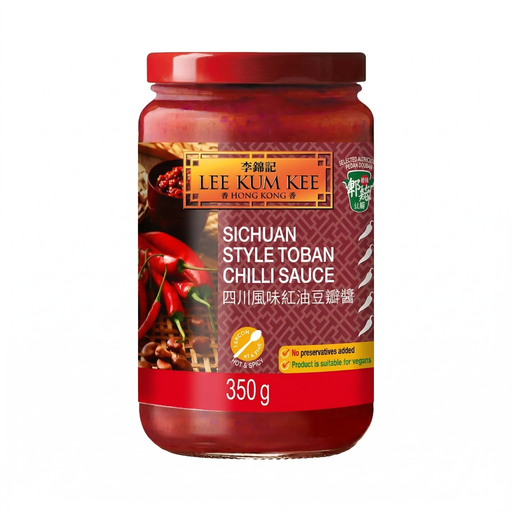
Why This Fits Their Persona: If you're aiming to recreate authentic Sichuan dishes like Mapo Tofu or Twice-Cooked Pork in your UK kitchen, this paste is an excellent starting point. It's specifically formulated for that iconic spicy, savoury and deeply aromatic flavour profile.
This is a proper doubanjiang made with broad beans and chillies, not a generic soybean paste. It's a cooking base that needs to be fried in oil, ensuring you get the authentic taste and avoid the mistake of using a ready-to-eat sauce.
Contains Pixian Doubanjiang (30%) for an authentic flavour base. The oil and paste separation makes it easy to scoop and fry to release the red chilli oil.
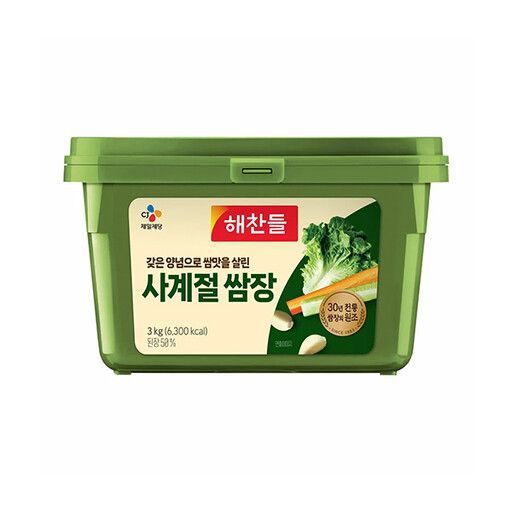
Why This Fits Their Persona: This is for the home cook who loves hosting Korean BBQ nights or enjoys a quick, flavourful bibimbap. It's a versatile, pre-seasoned paste that works beautifully as a dip for grilled meats and fresh vegetables.
This is a classic ssamjang. The "seasoned" label clearly distinguishes it from plain doenjang, preventing you from using it as a raw stew base by mistake. It's designed to be ready-to-use, avoiding the "raw vs. cooked" confusion.
Extremely convenient and versatile. It combines multiple flavour elements (savoury, sweet and spicy) in one tub, saving you from buying and mixing several different pastes.
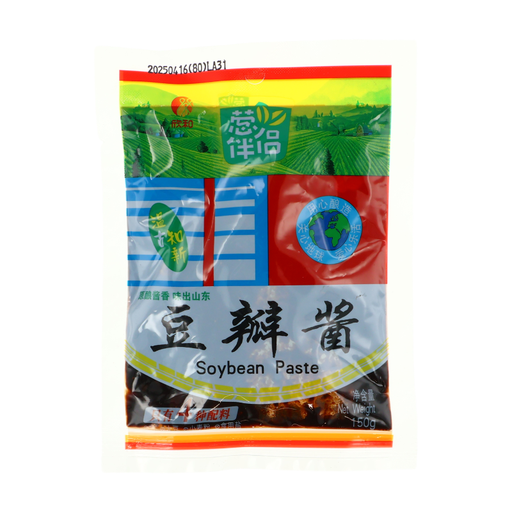
Why This Fits Their Persona: This is a great pantry staple for anyone who enjoys a wide variety of non-spicy Chinese dishes. It provides a foundational savoury, umami flavour for stir-fries, braises and noodle sauces without the intense heat of a Sichuan paste.
This is a classic non-spicy soybean paste. It prevents the "one-size-fits-all" error by being a distinct product from chilli-based pastes. The label notes it's "ready to eat," making it clear it can be used for dipping or cooking.
Made with non-GMO soybeans and a simple ingredient list, delivering a pure, rich umami flavour. Its versatility makes it useful across many different Chinese regional cuisines.
We have compiled a complete, real-time list of products that fully satisfy these strict selection criteria and UK safety regulations.
Most fermented bean pastes are high in salt, which acts as a natural preservative. Once opened, they should be stored in the refrigerator with the lid tightly sealed. Always use a clean, dry spoon to prevent contamination. In these conditions, they can last for several months up to a year. If you notice any mould or an off-smell, it's time to discard it.
Not necessarily. It depends entirely on the type.
Yes, a significant one. While both are made from fermented soybeans, their flavour profiles and uses are distinct. Chinese soybean paste (huang dou jiang) is a broad category but is often used as a general cooking base for stir-fries and braises. Korean doenjang has a uniquely pungent, earthy flavour and is the irreplaceable star in dishes like doenjang jjigae (soybean paste stew). For authentic results, they are not typically interchangeable.