One-pot holiday cooks
If cottage cookware is limited, you may want to sauté flavourings and stew canned haricot beans in the same vessel, with less washing-up afterwards.


For already-cooked canned haricot beans, choose a cooker that lets you sauté flavourings and gently stew the beans; pressure cooking is optional for this meal. A pressure-capable model makes more sense if you also plan to cook other ingredients, while a simpler slow cooker may suit gradual stewing. Check capacity, cleaning, electrical compatibility and the cottage’s appliance rules before buying or taking one with you.
If cottage cookware is limited, you may want to sauté flavourings and stew canned haricot beans in the same vessel, with less washing-up afterwards.
If plans change during the day, cooking controls and a keep-warm function may help with a short delay before serving. Leftovers still need proper cooling and refrigeration.
If you are making small portions or have limited worktop and storage space, the cooker’s external size and capacity may matter more than its number of programmes.
For a canned-bean stew, start with the cooking steps you want to do in one pot, then consider when you will serve it and where the appliance will fit.
| Concern | What to check | Who this matters to |
|---|---|---|
| One-pot stewing | Look for sauté or sear alongside slow cook, simmer or adjustable heat. Check whether searing happens in the cooker or requires a hob. | I want to soften onion or garlic before adding canned beans, without finding another pan in the cottage. Around 42% of consumers put that one-pot workflow first. |
| Flexible serving | Check how the timer and keep-warm function operate on the exact model; consider whether its pot is manageable for serving and cleaning. | When our return time is uncertain, I want the finished stew ready for a short delay before we eat. This is the main concern for around 33% of consumers. |
| Size and capacity | Compare external dimensions and weight with the available space, then choose capacity for the portions you plan to make. | I am cooking a small meal and need to carry and place the appliance without crowding the worktop. Compact placement is the primary need for around 25% of consumers. |
Canned haricot beans are already cooked, so a pressure programme is not needed to make the central stew.
Choose pressure capability if you will also use it for other recipes; otherwise focus on how the cooker sautés and gently heats the stew.
A larger pot may suit a group meal but can be awkward to carry, place and clean when you are making a small portion.
Compare the cooker’s dimensions, weight and stated capacity with your planned portions and the worktop space available.
Keep-warm is for a delay before serving, not a substitute for cooling and refrigerating food you intend to eat later.
The Food Standards Agency’s leftover guidance says to cool food promptly, cover and refrigerate it, use it within two days, reheat it until steaming hot and avoid reheating it more than once.
The appliance needs a suitable place and electrical supply, and the property may have rules about guests bringing their own appliances.
Before travelling or buying, confirm the cottage’s rules, available sockets and worktop space, and check the appliance’s power requirements and instructions.
Instant Pot UK offers pressure multicookers as well as a Superior Slow Cooker with slow cook, steam, sauté/sear and keep-warm functions.
Crock-Pot UK lists sauté-and-slow-cook multicookers and pressure-capable Express models.
Ninja UK lists the PossibleCooker with slow cook, sear/sauté, simmer and keep-warm among its functions.
These options include pressure-capable multicookers for anyone planning other meals as well as canned-bean stews, plus a slow cooker for gradual stewing. With the Morphy Richards model, searing uses a suitable hob rather than a cooking mode in the appliance.
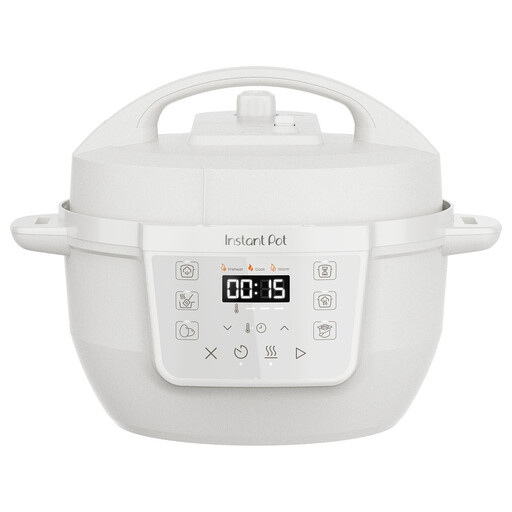 No image available
Consider this smaller-capacity option for a cottage meal for one or two, while checking that its cooking controls suit your stew.
Stated capacity: 3.8L; 7-in-1 variant. Check its dimensions, weight and electrical requirements before taking it to the cottage.
 No image available
Consider it if you want to stew beans and also plan meals that make use of pressure cooking; check whether its capacity suits your group.
Stated capacity: 5.7L; 9-in-1 pressure model. The product name includes a recipe book. Check its dimensions, weight and electrical requirements for the cottage.
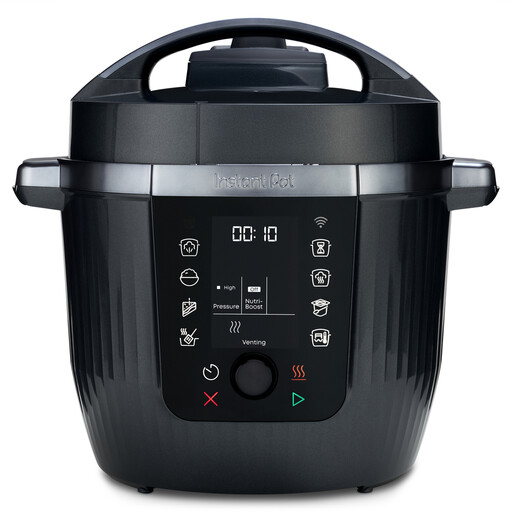 No image available
Consider this pressure-capable option if your cottage plans extend beyond canned beans; pressure cooking adds steps that the bean stew itself does not need.
Stated capacity: 5.7L; Pro 10-in-1 variant. Check its dimensions, weight and electrical requirements before choosing it for a short stay.
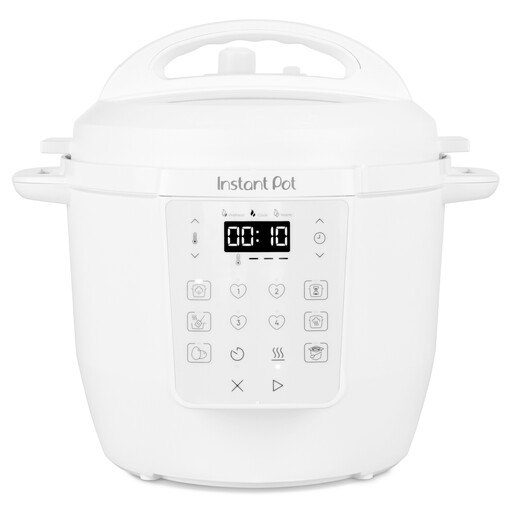 No image available
Consider this variant for meals needing more capacity than the 3.8L Instant Pot, provided it fits the cottage and your planned portions.
Stated capacity: 5.7L; 7-in-1 variant. Check its dimensions, weight and electrical requirements before travelling with it.
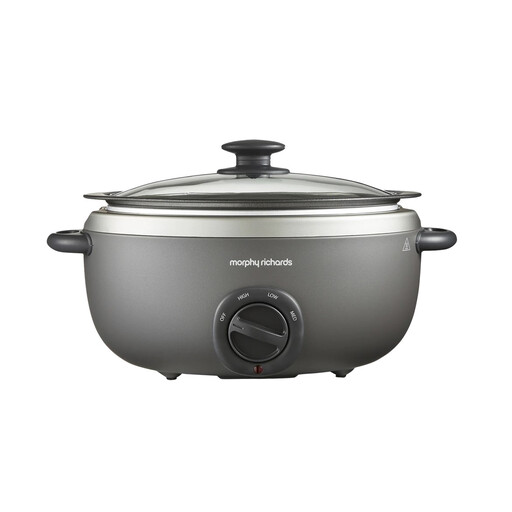 No image available
Choose this slow-cooker route only if gradual stewing suits your plans and the cottage has a suitable gas or electric hob for searing in its removable pot.
Stated capacity: 6.5L. Check whether its size suits your portions and confirm its electrical requirements. If keep-warm matters, confirm that function for this model before buying.
No: canned haricot beans are already cooked, so pressure cooking is not necessary for this stew. If you want to fry flavourings and stew the beans in one appliance, check for sauté or sear and a controllable slow-cook or simmer mode; pressure capability may be useful for other meals.
No: use keep-warm only according to the appliance instructions for holding a meal before serving, not as a replacement for cooling and refrigerating leftovers. The Food Standards Agency advises cooling leftovers promptly, refrigerating them, using them within two days and reheating them until steaming hot no more than once.
Cool leftover stew promptly, cover it and refrigerate it. The Food Standards Agency’s guidance says to use leftovers within two days, reheat them until steaming hot throughout and avoid reheating them more than once.