
24/7 Customer Support

Free returns

Same-day & Next-day Delivery

Quality Guaranteed

Unlock Your Welcome Offers: FREE Delivery | Up to 80% OFF | Free 30-day JoyPlus trial
Download the APP
Bringing the rich aroma and complex flavour of café-quality coffee into your home is an appealing prospect. A bean to cup coffee machine promises just that: fresh, aromatic coffee at the touch of a button. However, the market is saturated with models boasting features that sound impressive but often lead to buyer's remorse. As a Joybuy Product Recommendation Officer, my role is to help you navigate the marketing jargon and focus on what truly matters for a great home coffee experience.
Before you invest, it's crucial to be aware of a few common pitfalls that can turn your dream machine into a countertop burden.
To make a sound choice, let's move past the hype and focus on three core parameters that directly impact your daily coffee ritual.
The single greatest advantage of a bean to cup coffee machine is its integrated coffee machine with grinder. The quality of this component is paramount.
How you enjoy your milk-based coffees will determine the right system for you.
The brew group is the internal mechanism where the ground coffee is tamped and brewed. This area accumulates coffee oils and grounds, and if not cleaned regularly, can develop mould and spoil the taste of your coffee.
Choosing a machine isn't about finding the "best" one, but the right one for you. Here are a few recommendations matched to different user profiles.
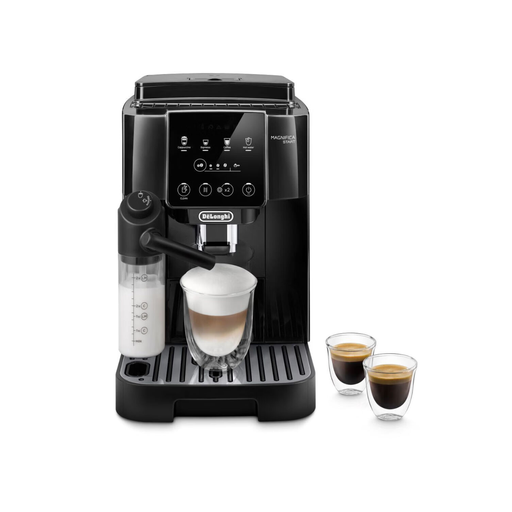
Why This Fits Their Persona: This user values speed and consistency for their morning cappuccino before a busy day. The one-touch functionality means no time is wasted on manual frothing or complex settings.
The LatteCrema milk carafe has an integrated auto-clean function, directly addressing the 'hidden cleaning' pitfall of many automatic milk systems.
True one-touch milk drinks (cappuccino) and a detachable carafe that can be stored in the fridge to keep milk fresh.
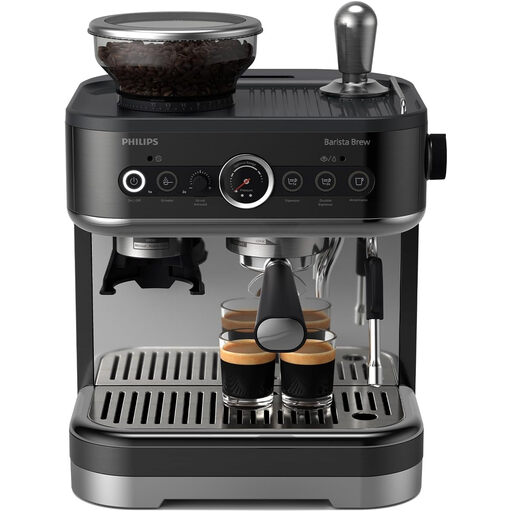
Why This Fits Their Persona: This user enjoys the craft of making coffee. This semi-automatic machine provides the hands-on control they want, from grinding and tamping to monitoring the extraction pressure.
The built-in pressure gauge provides real-time feedback, helping you understand extraction and move beyond the misleading 'bar pressure' marketing numbers.
Features a professional-style 58mm portafilter for even extraction and PID temperature control for shot-to-shot consistency.
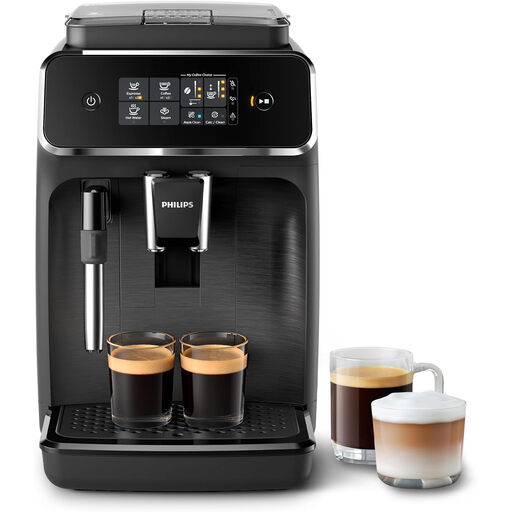
Why This Fits Their Persona: Perfect for someone moving from pods or filter coffee. It offers the superior taste of fresh beans with an intuitive touch display, balancing automation with quality components.
Its fully removable brew group makes weekly cleaning simple, preventing the hidden mould and oil build-up that plagues machines with fixed internal units.
Features a durable 100% ceramic grinder with 12 settings for excellent flavour extraction and longevity. The manual steam wand offers a chance to learn frothing without the complexity of an auto-system.
We have compiled a complete, real-time list of products that fully satisfy these strict selection criteria and UK safety regulations.
You should typically descale your machine every one to three months. The exact frequency depends on the water hardness in your area—for example, London and the South East have much harder water than Scotland—and your daily usage. Most modern machines from brands like De'Longhi coffee machine and Philips coffee machine have an automatic alert that will notify you when it's time to run a descaling cycle.
While the initial purchase price of a home coffee machine is higher, the long-term running cost is significantly lower. A 1kg bag of quality coffee beans can produce between 120 and 140 single espressos. Compare that to the price of 140 coffee pods, and the savings become clear very quickly. You also benefit from fresher coffee and less packaging waste.
It is generally not recommended to use very dark, oily coffee beans in a fully automatic machine. The oils can build up and clog the internal grinder mechanism over time, which can lead to poor performance and may even require a professional service to fix. For the best results and to ensure your machine's longevity, stick to high-quality, non-oily (matte finish) medium or medium-dark roast beans.