
24/7 Customer Support

Free returns

Same-day & Next-day Delivery

Quality Guaranteed

Unlock Your Welcome Offers: FREE Delivery | Up to 80% OFF | Free 30-day JoyPlus trial
Download the APP
Bringing the café experience home with a bean to cup coffee machine is an appealing prospect. The promise of freshly ground coffee at the touch of a button can transform your morning routine. However, the market is flooded with models that boast impressive features, many of which can lead to disappointment and a wasted investment. Before you commit, it’s crucial to understand the common pitfalls that many UK buyers fall into.
As the Joybuy Product Recommendation Officer, my role is to help you see past the marketing clutter. We've analysed the features that genuinely matter and identified the traps to avoid.
To ensure your machine delivers quality coffee for years to come, focus on these fundamental components rather than flashy, but ultimately superficial, features.
The heart of any bean to cup coffee machine is its integrated coffee machine with grinder. The goal is to turn whole beans into a consistent grind just moments before brewing.
How you enjoy your milk-based coffees will determine the right system for you. There is no single "correct" choice, only the one that fits your lifestyle.
The heating element dictates how quickly the machine is ready to brew and how stable the water temperature is during extraction.
We've matched some popular models to different user needs, focusing on how they address the common pitfalls and deliver on their core function: making great coffee.

Why This Fits Their Persona: This De'Longhi coffee machine is an excellent entry point, providing the core benefits of fresh-bean coffee without an overwhelming price tag. It's perfect for someone who primarily drinks espresso or Americano but wants the option to make a simple cappuccino.
Its traditional manual steam wand completely sidesteps the hygiene issues of complex automatic frothers. It is simple to use and exceptionally easy to keep clean with just a wipe and a purge.
Features a reliable built-in grinder with 13 settings and a removable brewing unit, making both customisation and cleaning straightforward.
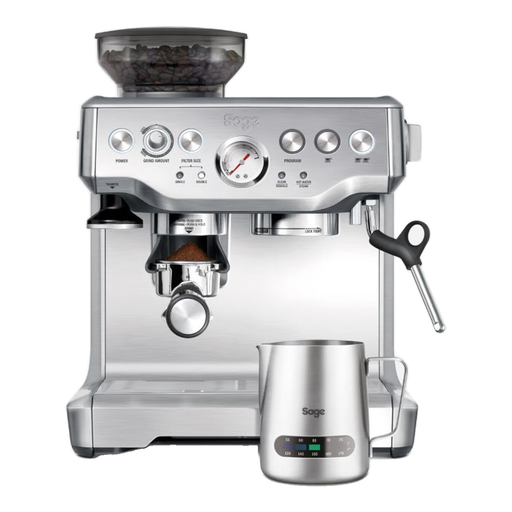
Why This Fits Their Persona: This Sage coffee machine is for the enthusiast who wants to be involved in the process. It offers a hands-on experience, from grinding and tamping to manual milk texturing, empowering you to craft coffee your way.
It cuts through the pressure myth by including a visible pressure gauge. This provides real-time feedback, teaching you to aim for the optimal 9-bar extraction zone rather than relying on a high marketing number.
Combines an integrated conical burr grinder with precise dose control and a powerful manual steam wand capable of creating true microfoam for latte art.

Why This Fits Their Persona: For the UK household that wants it all: hot lattes in the winter and refreshing cold brew in the summer. This machine is a true all-in-one, offering an extensive menu of over 50 hot and cold drinks.
It offers a genuine cold brew function. Unlike basic machines that just pour hot espresso over ice (creating a watery drink), its Cold Extraction Technology makes a proper cold brew in under 5 minutes, making it a true iced coffee maker.
Features two dedicated milk carafes: LatteCrema Hot for conventional cappuccinos and LatteCrema Cool for perfectly textured cold milk foam for iced lattes.
We have compiled a complete, real-time list of products that fully satisfy these strict selection criteria and UK safety regulations.
Most modern machines will alert you when it's time to descale. The frequency depends on your water hardness and usage, but for average use in a medium-hard water area in the UK, expect to descale every 2-3 months. Using a water filter in the tank can significantly extend this interval.
It is generally advised to avoid very dark, oily beans. The excess oil can clog the grinder mechanism and the brewing unit over time, leading to performance issues and potential damage. Opt for medium roast, non-oily beans for the best long-term health of your machine.
The main difference lies in the milk frothing and tamping process.