
24/7 Customer Support

Free returns

Same-day & Next-day Delivery

Quality Guaranteed

Unlock Your Welcome Offers: FREE Delivery | Up to 80% OFF | Free 30-day JoyPlus trial
Download the APP
The aroma of freshly ground coffee is one of life’s simple pleasures, and for many, the daily trip to the local café is a cherished ritual. But what if you could replicate that rich, full-bodied flavour in your own kitchen? Moving on from instant or pod machines is a big step, and the world of home espresso can seem complex.
This guide is designed to help you navigate the key features of modern coffee machines. We will explore what makes a great all-in-one coffee machine and provide our recommendations to help you find a model that suits your lifestyle, whether you crave the convenience of automation or the hands-on satisfaction of a home barista.
Choosing the right machine can feel overwhelming. Focusing on a few key features will help you narrow down the options and find the perfect fit for your kitchen worktop.
The single biggest improvement you can make to your home coffee is using freshly ground beans. A coffee maker with grinder, often called a bean-to-cup machine, handles this for you. It grinds the precise amount of beans needed for your drink right before brewing, preserving the volatile oils and aromas that give coffee its complex flavour. Look for machines with adjustable grind settings, as this allows you to fine-tune the extraction for different types of beans and drinks.
You will often see pressure measured in bars on machine specifications. For a true espresso, you need high pressure to force hot water through a tightly packed puck of fine coffee grounds. While the industry standard for commercial machines is around 9 bars, many home models, including some 20 bar coffee machine options, use higher pressure to ensure consistent extraction and a rich crema, even if your grind or tamp isn't perfect.
If you enjoy lattes, cappuccinos or flat whites, a coffee machine with steam wand is essential. These wands use high-pressure steam to heat and texturise milk, creating the silky microfoam needed for café-style drinks and latte art. Some machines offer automated frothing, while others provide a manual steam wand, giving you more control and a genuine home barista coffee machine experience.
After reviewing the features that matter most to home coffee enthusiasts, here are our recommendations. We have selected models that cater to different needs, from fully integrated systems to those that offer more hands-on control.

Why It Stands Out: This is a true bean to cup coffee machine, integrating a high-quality burr grinder with a powerful brewing system. Its combination of automated features and customisable settings makes it a versatile choice for those who want both convenience and quality.
Pros:
Who is it for? The coffee lover who wants the full bean-to-cup experience—from grinding fresh beans to frothing milk—in a single, user-friendly unit.
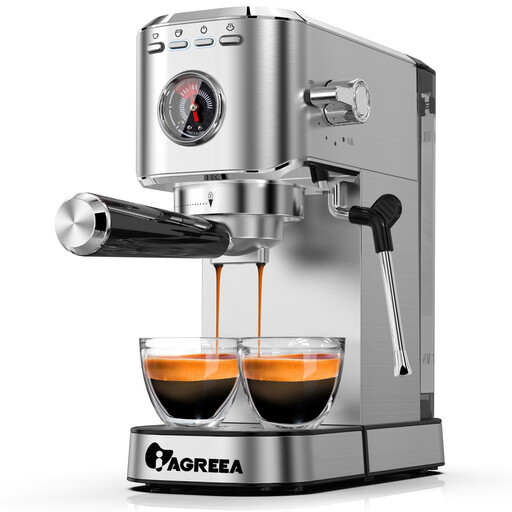
Why It Stands Out: This machine focuses on giving you control over the core elements of espresso making. While it requires a separate grinder, its real-time pressure gauge and powerful steam wand empower you to pull shots and steam milk like a professional.
Pros:
Who is it for? The aspiring home barista who enjoys the ritual of making coffee and wants to develop their skills in pulling espresso shots and steaming milk manually.
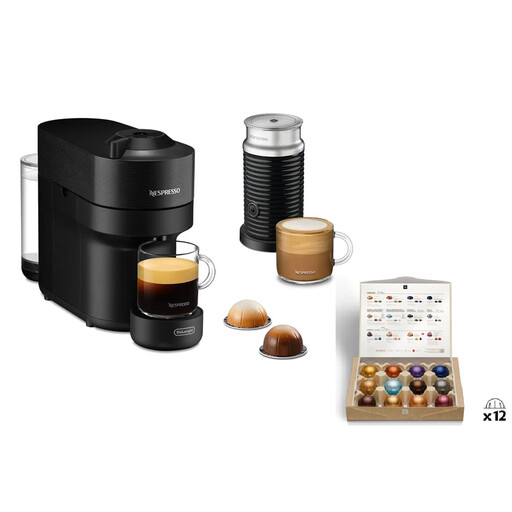
Why It Stands Out: While not a bean-to-cup model, the Vertuo Pop offers a significant step up in quality and versatility for those who prioritise speed and simplicity. Its intelligent brewing system and included milk frother deliver consistent, high-quality coffee with zero fuss.
Pros:
Who is it for? The busy individual who wants excellent coffee without the learning curve, offering barista-style drinks with maximum convenience.
Perfecting your coffee is a journey, and the quality of your water is a crucial, often overlooked ingredient. For those dedicated to optimising every element of their home setup, exploring options for your water supply can be a worthwhile step. You can find a selection of domestic water tanks to ensure you're starting with a pure base for your brew.
1. Is a 20 bar coffee machine better than 15 bar? While the ideal pressure for extracting espresso is around 9 bars, many domestic machines are engineered with higher-rated pumps (15 or 20 bars) to ensure they can consistently deliver sufficient pressure through the coffee puck. A 20 bar coffee machine does not necessarily mean it brews at that pressure, but it indicates a powerful pump capable of overcoming variations in grind size and tamping to achieve a good extraction. The consistency it provides is often more important than the maximum number itself.
2. What is the main advantage of a bean to cup coffee machine? The primary advantage is freshness. Coffee beans begin to lose their flavour and aroma within minutes of being ground. A bean to cup coffee machine grinds the beans immediately before brewing, capturing the peak freshness and delivering a noticeably more flavourful and aromatic cup compared to using pre-ground coffee. This, combined with the convenience of an all-in-one process, is its main appeal.
3. Can you use pre-ground coffee in a bean to cup machine? Many, but not all, bean-to-cup machines include a separate bypass chute or compartment that allows you to use pre-ground coffee. This feature is useful if you want to occasionally make a decaffeinated coffee or try a different blend without emptying the main bean hopper. It is always best to check the specifications of the particular model you are considering.