
24/7 Customer Support

Free returns

Same-day & Next-day Delivery

Quality Guaranteed

Unlock Your Welcome Offers: FREE Delivery | Up to 80% OFF | Free 30-day JoyPlus trial
Download the APP
The promise of café-quality coffee from your own kitchen is tempting. A bean to cup coffee machine, which grinds fresh beans for every single cup, seems like the ultimate upgrade. Yet, the path to the perfect home-brewed latte is littered with pitfalls—overpriced gadgets, frustrating cleaning routines and features that sound impressive but deliver disappointing results.
As a Joybuy Product Recommendation Officer, my role is to help you see past the marketing clutter. Before you invest, let's look at the common traps that catch out UK buyers and what really matters when making your choice.
To make a smart purchase, focus on the functional aspects that will define your daily coffee experience. Here are the three most important considerations.
This is perhaps the most significant decision you'll make.
The integrated grinder is what makes a bean to cup machine special. Almost all use conical burr grinders, but the crucial specification is the number of grind settings.
A machine that is difficult to clean will quickly become a machine you don't use.
Instead of a generic list, we've matched specific machines to the people they are designed for.
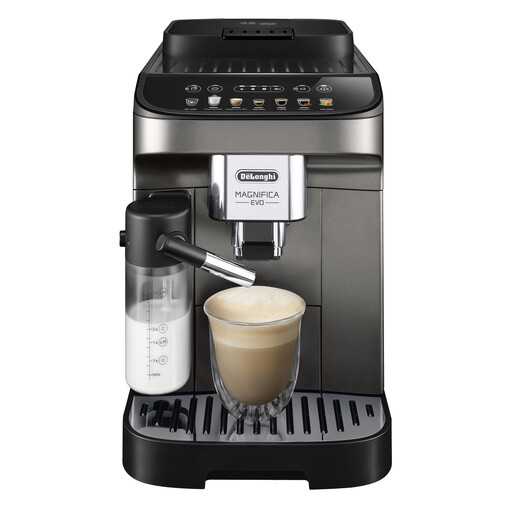
Why This Fits Their Persona: This user wants a creamy cappuccino or latte before the morning commute, without any fuss. The intuitive colour display and seven one-touch recipes mean they can get their favourite drink consistently every time, with zero guesswork.
It directly counters the "hard to clean" trap. The LatteCrema milk carafe has an integrated auto-clean function and can be detached and stored in the fridge, keeping milk fresh and the system hygienic.
The 'MyLatte' function automatically uses only the milk needed for your drink, preventing waste. The one-touch system is genuinely simple for quick, reliable milk-based coffees.
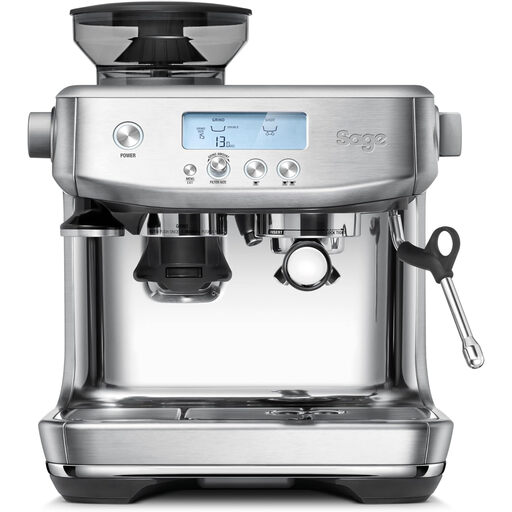
Why This Fits Their Persona: This user enjoys the ritual of making coffee. They want to dial in the perfect shot, practise their latte art and have full control over the final result. The hands-on approach is a feature, not a flaw.
It avoids the "overpaying for complexity" trap by focusing on what matters for quality: a precision grinder with 30 settings and a powerful manual steam wand. It prioritises craft over a long menu of automatic drinks.
The ThermoJet heating system reaches optimum extraction temperature in 3 seconds, so there's no long wait. The powerful steam wand is capable of producing true microfoam for latte art.
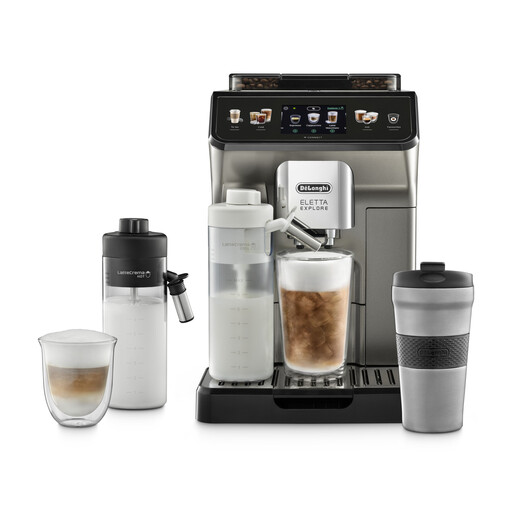
Why This Fits Their Persona: This user wants it all: a hot flat white in the winter and a genuine cold brew or iced cappuccino in the summer. They value versatility and are looking for a true all-in-one iced coffee machine that doesn't compromise on quality for either temperature.
This is a rare case where complexity is justified. It avoids the trap of simply pouring hot coffee over ice. Its Cold Extraction Technology brews a true cold brew in under 5 minutes and the LatteCrema Cool system creates cold milk foam, preventing a watered-down drink.
Unmatched versatility with over 50 hot and cold one-touch recipes. The dual milk carafes (one for hot, one for cold foam) ensure optimal texture for any drink type, making it a genuine year-round machine.
We have compiled a complete, real-time list of products that fully satisfy these strict selection criteria and UK safety regulations.
This depends heavily on the water hardness in your area. Most modern machines have an indicator light that will alert you when it's time. In hard water areas like London or the South East, you may need to descale every 1-2 months. In softer water areas, it could be every 3-6 months. Using the manufacturer's recommended water filter in the tank can significantly reduce the frequency of descaling.
It is generally advised to avoid very dark, oily beans in a fully automatic coffee machine. Over time, the oils can build up and clog the internal grinder, leading to poor performance and potential damage that may not be covered by the warranty. For the best results and machine longevity, stick to medium roast, non-oily beans.
While many machines advertise a 15-bar pump, the industry-recognised optimal pressure for extracting a perfect shot of espresso is actually around 9 bars. The higher number indicates the pump's maximum power, but a quality machine will regulate this pressure down to the 9-bar sweet spot during the brewing process. Therefore, focus on brands known for consistent extraction rather than the highest number on the box.