
24/7 Customer Support

Free returns

Same-day & Next-day Delivery

Quality Guaranteed

Unlock Your Welcome Offers: FREE Delivery | Up to 80% OFF | Free 30-day JoyPlus trial
Download the APP
The dream of bringing the local café experience into your kitchen is more attainable than ever. A quality bean to cup coffee machine promises the aroma of freshly ground beans and the satisfaction of a perfectly crafted latte at the touch of a button. However, the market is flooded with models that often over-promise and under-deliver, leading to buyer's remorse.
As a Joybuy Product Recommendation Officer, my role is to help you see past the marketing jargon. Many UK households invest in a new home coffee machine only to be let down by common, avoidable issues. Before you commit, let's look at the frequent pitfalls that can turn your coffee dream into a daily frustration.
To make a smart choice, focus on the core components that directly impact your coffee's taste and your daily routine.
The "bean to cup" process starts here, and it's arguably the most critical stage. The machine's integrated grinder is what sets it apart. Look for models with conical burr grinders, which are known for their consistency and low heat transfer, preserving the bean's delicate oils. The number of grind settings is also crucial; a machine with 13 or more settings gives you the flexibility to "dial in" different types of beans, from light to dark roasts, to achieve a balanced flavour.
How you enjoy your milk-based drinks will guide your choice here.
The machine's ability to heat water quickly and hold it at a precise temperature is vital for a good extraction. Many modern machines use a Thermocoil or ThermoJet heating system, which gets the machine ready in seconds. For those serious about flavour, look for models that mention PID Temperature Control. This technology actively monitors and stabilises the water temperature, ensuring it hits the ideal 93°C for a perfectly balanced shot, cup after cup.
Instead of a generic list, we've matched specific models to the people they are designed for.
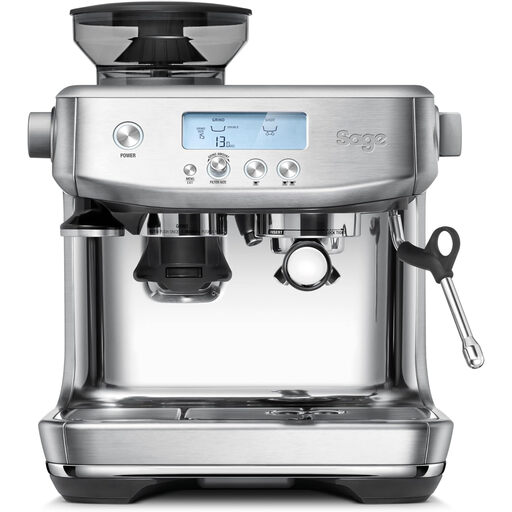
Why This Fits Their Persona: This machine is for the coffee lover who enjoys the ritual of making coffee and wants to master latte art. It provides the tools and feedback to learn, from its 30 grind settings to its powerful manual steam wand.
It sidesteps the pressure myth by focusing on the optimal 9-bar extraction process. The manual steam wand is powerful, effective and simple to wipe clean, avoiding any hidden cleaning issues.
The innovative ThermoJet heating system achieves optimum brewing temperature in just 3 seconds. The intuitive LCD screen provides real-time feedback on grinding and extraction.
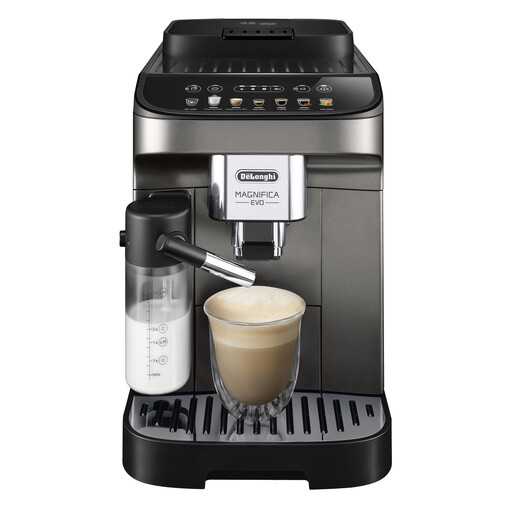
Why This Fits Their Persona: For those who need a great coffee to start their day but have no time for the manual process. This machine delivers seven drink varieties, including lattes and cappuccinos, with a single touch.
It directly solves the cleaning burden with its LatteCrema system. The milk carafe is detachable for fridge storage and it runs an automatic cleaning cycle after each use, ensuring hygiene with no effort.
The "MyLatte" function allows you to use exactly the amount of milk you need, avoiding waste. Its colour touch display makes selecting your morning coffee simple and intuitive.
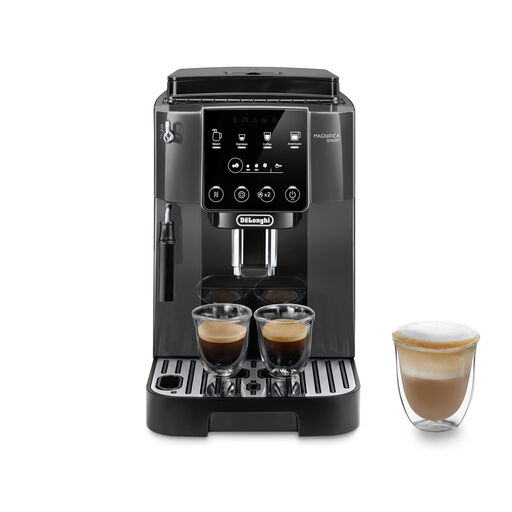
Why This Fits Their Persona: This is for someone moving on from pods or instant coffee who wants the freshness of bean-to-cup without a huge investment. It offers the core benefits in a user-friendly, accessible package.
Its traditional manual steam wand is incredibly simple to use and even easier to clean, completely avoiding the maintenance trap of more complex automatic systems. The spout is high enough for standard mugs.
It delivers true bean-to-cup freshness with customisable aroma and temperature. It's a reliable entry point into the world of quality home coffee, from a well-regarded brand like De'Longhi.
We have compiled a complete, real-time list of products that fully satisfy these strict selection criteria and UK safety regulations.
With proper care, a good quality bean to cup machine should last for 5 to 10 years. The key to longevity is regular maintenance. This includes daily rinsing, weekly cleaning of the brew unit and, most importantly, descaling the machine whenever prompted. Using a water filter can also significantly reduce scale build-up and extend the machine's life.
The initial purchase price is higher than for pod machines, but the running costs are often lower. A bag of quality coffee beans produces far more cups of coffee for its price than an equivalent spend on pods, bringing the cost per cup down significantly. Energy consumption is generally modest, as machines heat water on demand. The main ongoing cost will be for descaling solution and water filters, which are typically needed every few months.
Not at all. While brands like Sage offer machines that give you manual control, such as the Sage coffee machine Barista series, they are designed as learning tools for home users. They guide you through the process with features like pressure gauges and precise dose control. They are built to help you develop skills, not to require them from day one.