What matters when choosing?
Check the exact cold-drink recipe first, then plan for the busiest serving period and the work needed to keep a shared machine running.
| Concern |
What to check |
Who this matters to |
| Iced-drink capability |
Check the exact model’s menu for the drink you want, and whether it needs supplied ice or a configured chilling module. |
I want iced espresso without relying on an improvised hot-espresso workflow. Around 31% of consumers put a named cold-drink capability first. |
| Peak demand and refills |
Estimate daily servings and the busiest period; compare them with the manufacturer’s stated output and the work of refilling and emptying the machine. |
When several colleagues want coffee at once, I need a setup that fits our serving pattern. For around 25% of consumers, peak demand and refill work are the primary concern. |
| Milk and cleaning |
Confirm the milk-handling and cleaning routine, including who will carry it out; consider allergen controls where the operation requires them. |
If we offer milk drinks, I need clear responsibility for cleaning and handling milk between uses. That upkeep comes first for around 25% of consumers. |
| Space and installation |
Measure the location and service access; check the exact machine’s electrical needs and obtain supplier requirements for any water connection or drainage. |
Our shared kitchen has to accommodate the machine as well as its day-to-day servicing. Around 19% of consumers prioritise whether installation and access will work. |
Joybuy product choices
These choices cover a manual Cold Extraction model and a hot-and-cold bean-to-cup model. For shared-office iced espresso, check the exact drink menu and the workload each machine would place on its users.
 No image available
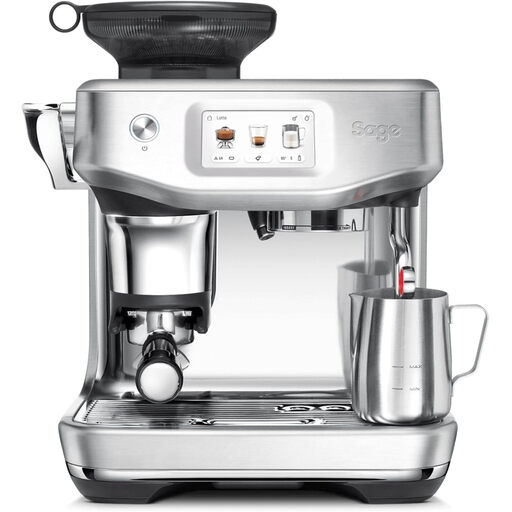
Sage the Barista Touch™ Impress with Cold Extraction SES882BSS4GUK1, Brushed Stainless Steel
Consider this manual bean-to-cup model if colleagues are willing to take part in preparing each drink, rather than expecting unattended self-service. It has an Impress™ Puck System; check the exact cold-espresso drink workflow, peak-time workload and cleaning routine for your office.
View on Joybuy
 No image available
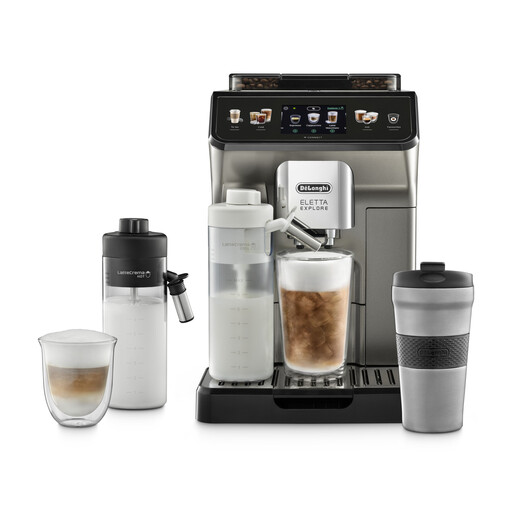
De'Longhi Eletta Explore Hot & Cold ECAM450.86.T, Titanium/Black
Consider this hot-and-cold bean-to-cup model if colleagues want cold-drink options. If iced espresso is essential, check whether the exact ECAM450.86.T menu names that drink; also confirm its suitability for your peak demand and assign the cleaning work.
View on Joybuy
Common questions
How can I tell whether a machine makes the iced espresso we want?
Check the drink list for the exact model and variant. De'Longhi GB lists Iced Espresso for the PrimaDonna Aromatic ECAM630.75.TSM and Over Ice for the PrimaDonna Soul ECAM610.75.MB; ask which named recipe matches the drink you intend to serve rather than relying on a hot-espresso setting.
When is a commercial machine worth considering for an office?
Consider a commercial setup when daily volume, simultaneous demand or regular chilled-drink service makes a smaller self-service arrangement difficult to manage. JURA United Kingdom recommends a maximum of 50 cups per day for the W8, while Franke Coffee Systems UK states up to 200 cups per day for the A600; confirm your drink mix, busiest period and service arrangements with the supplier rather than treating either daily figure as a queue-time guarantee.
Should a plumbed bean-to-cup machine have a site survey?
Yes, obtain the selected supplier’s installation requirements and an assessment of the intended location. Lavazza Professional UK’s reference for its bean-to-cup vending-machine installation specifies potable cold water at 1–8 bar and a WRAS-approved isolation valve; those requirements should not be assumed for other models.
Who should look after milk drinks on a shared machine?
Assign someone to follow the manufacturer’s cleaning instructions and manage milk and waste, even if the machine has automatic milk-system cleaning. JURA specifies that function for the W8; where the arrangement is a food operation, Food Standards Agency guidance also identifies allergen control and prevention of cross-contamination as considerations.
Can the office coffee machine be the only drinking-water arrangement?
Keep drinking water clearly available independently of the coffee setup. The Health and Safety Executive states that workers must have access to drinking water; do not assume that providing a coffee machine settles that requirement.


