For an afternoon espresso tonic, choose a machine for the espresso you want to pour over ice and tonic water; the finished drink is assembled separately. Prioritise espresso adjustment if this is your main drink, consider bean-switching features if you change varieties regularly, and choose a broader iced-drink or milk menu only if you will use it for other drinks too.
Who is this for?
Afternoon espresso-tonic drinkers
If you mainly want coffee poured over chilled tonic and ice, focus on making an espresso you can adjust rather than collecting automatic milk recipes. NESCAFÉ UK & IE and Lavazza UK both describe espresso, tonic water and ice as the drink’s components.
Bean experimenters
If you regularly change varieties or share a machine with someone who prefers different beans, interchangeable hoppers or a dual bean container may be useful. Check how the machine handles coffee remaining in the grinder between changes; Melitta notes that a complete switch on its Barista T Smart can take two to three cups.
Shared households watching upkeep
If several people make coffee throughout the day, weigh preparation steps against routine cleaning. Philips lists QuickStart for its Series 4400, but its care instructions also call for regular brew-group cleaning; convenient starts do not remove ongoing maintenance.
What matters when choosing?
Start with the espresso base, then decide whether changing beans or simplifying the daily routine matters more to you. An iced-coffee programme is an option for other drinks, not a substitute for adding tonic and ice.
| Concern |
What to check |
Who this matters to |
| Adjustable espresso |
Confirm that the exact model makes espresso, then check its listed strength, shot-volume or grinder adjustments. |
If tonic and ice are part of my usual afternoon drink, I want to tune the espresso rather than rely on one fixed setting. Around 50% of consumers put the espresso base first. |
| Bean and drink flexibility |
Check whether beans go into one hopper, interchangeable hoppers or a dual container, and look at the drinks you would actually make. |
When I change beans often or share the machine with people who prefer other coffees, switching options matter more than a long menu alone. For around 30% of consumers, that flexibility is the primary concern. |
| Routine and upkeep |
Look at start-up steps, access to the brew group, cleaning instructions and any milk-system care. |
For a short afternoon break, I want preparation and cleaning to fit comfortably into my routine. Keeping that workload manageable comes first for around 20% of consumers. |
Buying pitfalls
-
Choosing a milk system for an espresso-only routine
Milk is not part of the espresso-tonic recipes from NESCAFÉ UK & IE or Lavazza UK. A milk system can serve other household drinks, but its parts need care when used.
Decide whether you will make milk drinks regularly before giving that feature priority over espresso controls and a practical machine size.
-
Expecting an iced-coffee button to make the whole drink
An iced-espresso option may help prepare the coffee component, but you still add tonic water and ice and assemble the drink yourself.
Choose cold-drink programmes for drinks you will make beyond espresso tonic; adjust the coffee-to-tonic balance in the glass to suit your taste.
-
Assuming a bean change is immediately complete
Coffee from the previous variety can remain in the grinder. Melitta says a complete change on the Barista T Smart may take up to two to three cups, depending on brewing strength.
If you compare beans frequently, plan changes around several drinks rather than expecting the first cup after every switch to contain only the new variety.
-
Equating a water filter with no maintenance
Filter use does not replace brew-group cleaning. Philips instructs owners of its automatic machines to rinse the removable brew group weekly and clean it with a coffee-oil-remover tablet monthly.
Read the exact model’s filter, descaling and cleaning instructions before deciding whether its upkeep suits your routine.
Brands to consider for this drink
These brands offer different machine features relevant to an espresso-tonic routine; the useful choice depends on the exact model and the other coffees your household makes.
De'Longhi
Rivelia is relevant if changing beans appeals to you; Eletta Explore is a broader hot-and-cold drink option.
- De'Longhi lists interchangeable bean hoppers for Rivelia. Its EXAM440.35.B model lists iced espresso and four user profiles.
- De'Longhi describes more than 50 hot, cold and Cold Brew recipes for the cited Eletta Explore model, but Cold Brew is not needed to assemble an espresso tonic.
Philips
The cited Series 4400 suits consideration when espresso tonic is one of several hot or iced coffees made at home.
- Philips lists 12 hot and iced options, QuickStart and 12 grinder settings for the Series 4400 EP4446/70.
- Its removable brew group needs regular cleaning, and the LatteGo milk system is only relevant to the decision if you will use it for milk drinks.
Melitta
Melitta’s double-bean-container models are relevant to households that keep two bean varieties in use.
- Melitta lists five brewing-strength and five grind-fineness settings for the Barista T Smart.
- On that model, Melitta says coffee remaining from the previous variety can delay a complete bean change by up to two to three cups.
Joybuy product choices
These machines offer different ways to prepare the espresso base, including automatic models and more hands-on machines with integrated grinders. Choose between them by the preparation steps and other drinks you want, not by assuming a cold-coffee feature makes the finished tonic.
 No image available
Sage the Barista Touch Impress with Cold Extraction SES882BSS4GUK1
Consider this manual bean-to-cup model if you want to prepare the espresso base yourself and may use its Cold Extraction feature for other drinks. Check the exact model’s cleaning instructions against the time you want to spend on upkeep.
View on Joybuy
 No image available
De'Longhi Eletta Explore ECAM450.86.T, titanium and black
Its hot-and-cold bean-to-cup design is worth considering if your household makes other coffee drinks alongside espresso tonic. Confirm the espresso adjustments and routine cleaning steps for this exact variant before choosing it for everyday use.
View on Joybuy
 No image available
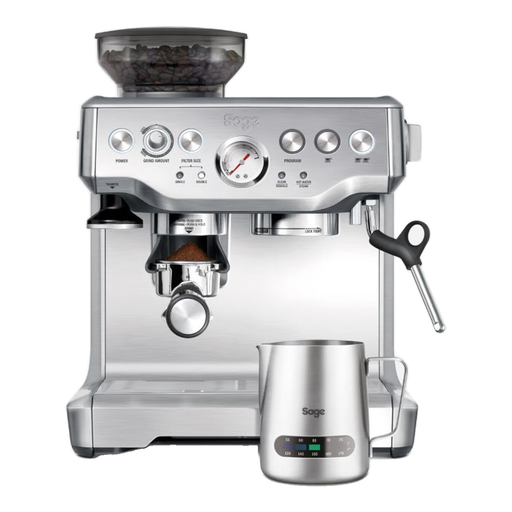
Sage the Barista Express BES875UK with temperature-control milk jug
This manual bean-to-cup machine suits someone willing to handle espresso preparation rather than rely on a one-touch drink routine. Its title specifies 16 grind settings, PID temperature control and a steam wand; the milk jug and wand need not drive the choice if you only make espresso tonic.
View on Joybuy
 No image available
HiBREW H20 All-in-One coffee machine
Consider its built-in grinder if you want to make the espresso component from beans. The title lists 20 grind levels, hot and cold extraction modes and a 1.8 L water tank; check how the cold mode works and what cleaning it requires before treating it as useful for your routine.
View on Joybuy
 No image available
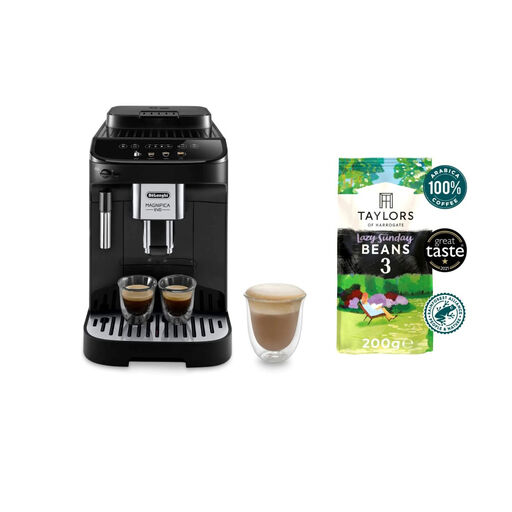
De'Longhi Magnifica Evo ECAM290.21.B with 200 g Taylors of Harrogate Lazy Sunday beans
This fully automatic bean-to-cup machine is an option if you prefer to make espresso and assemble the tonic separately. The bundle includes a milk frother and the named beans; check the exact model’s espresso controls and cleaning instructions if those will affect your choice.
View on Joybuy
Common questions
Do I need a Cold Brew programme for espresso tonic?
No. The espresso-tonic recipes from NESCAFÉ UK & IE and Lavazza UK use espresso, tonic water and ice. Consider Cold Brew only if you also want to make drinks that use it.
How do I put an espresso tonic together?
Make the espresso first, then combine it with ice and tonic water in a glass. NESCAFÉ UK & IE advises letting a double espresso cool slightly, adding ice and tonic water to the glass, then pouring the espresso over them; adjust the balance to your taste.
Will changing beans give me a clean switch straight away?
Not necessarily. Melitta says coffee from the previous variety can remain in the Barista T Smart’s grinder and that a complete switch can take up to two to three cups, depending on brewing strength. A switching feature is more useful for planned changes than for expecting every first cup to contain only the new beans.
What cleaning should I allow for?
Check the instructions for the exact machine and any milk system you intend to use. For Philips automatic machines with a removable brew group, Philips instructs weekly rinsing and monthly cleaning with a coffee-oil-remover tablet; its LatteGo milk system also needs cleaning after use.


