
24/7 Customer Support

Free returns

Same-day & Next-day Delivery

Quality Guaranteed

Unlock Your Welcome Offers: FREE Delivery | Up to 80% OFF | Free 30-day JoyPlus trial
Download the APP
From hearty stews to vibrant salads, beans and pulses are the unsung heroes of the British pantry. They are cornerstones of an affordable, healthy diet, packed with plant-based protein and essential nutrients. Yet, navigating the supermarket aisle or online store can be surprisingly tricky. A simple shopping trip can lead to disappointing meals if you fall into a few common traps.
As the Joybuy Product Recommendation Officer, my role is to help you see past the marketing jargon and make informed choices. Let's break down the pitfalls to avoid and the key factors to look for, ensuring you get the quality and value you deserve.
Many home cooks have faced the frustration of a curry that never thickens or a bag of dried beans that refuses to soften. These issues often stem from overlooked details at the point of purchase.
To avoid these issues, focus on a few non-negotiable parameters. These simple checks will empower you to select the right product for your needs, whether you're making a quick weeknight meal or batch-cooking for the month ahead.
The format you choose depends entirely on your priorities: convenience, cost or culinary control.
A high-quality product should have a short and simple ingredient list.
This focus on simple ingredients ensures you're getting pure, high fibre foods without unwanted extras.
To help you choose, we've matched some reliable options to different cooking styles and needs.
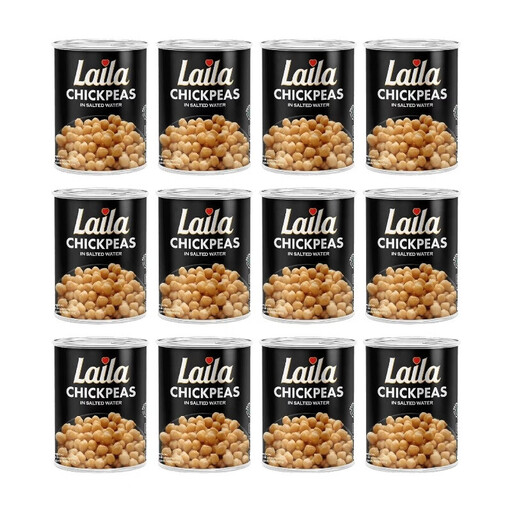
Why This Fits Their Persona: This bulk pack of canned chickpeas is perfect for anyone who needs to get a healthy dinner on the table quickly. Having a well-stocked pantry means you're always ready to whip up a fast curry, a protein-packed salad or homemade hummus without a trip to the shops.
Being pre-cooked, it completely bypasses the "dried bean gamble." The clear ingredient list (Chickpeas, Water and Salt) means you know exactly what you're getting, avoiding the "ready-to-use" misconception.
Ultimate convenience with no soaking or pre-cooking required. A reliable source of plant-based protein and fibre that counts as one of your 5-a-day.
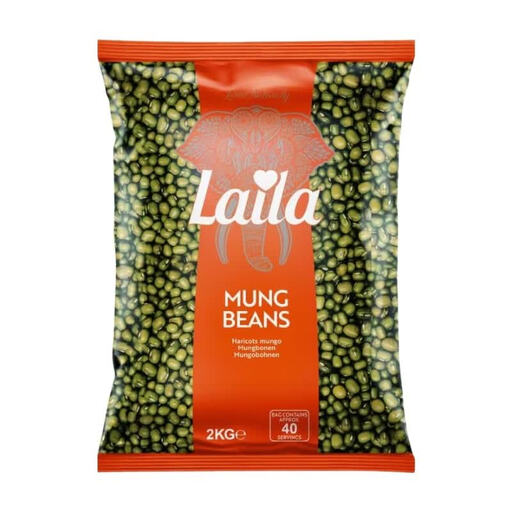
Why This Fits Their Persona: For the cook who values economy and plans ahead, this large 2kg pack of dried mung beans is ideal. It provides a substantial supply for making large batches of dal, soups or stews, offering excellent value for money.
Buying a large, sealed pack from a trusted supplier minimises the risk of getting old stock that won't cook properly. As a single-ingredient product, it avoids any hidden additives or salt.
Maximum cost-effectiveness for those who bulk buy beans. It gives you complete control over the final texture and seasoning of your dishes.
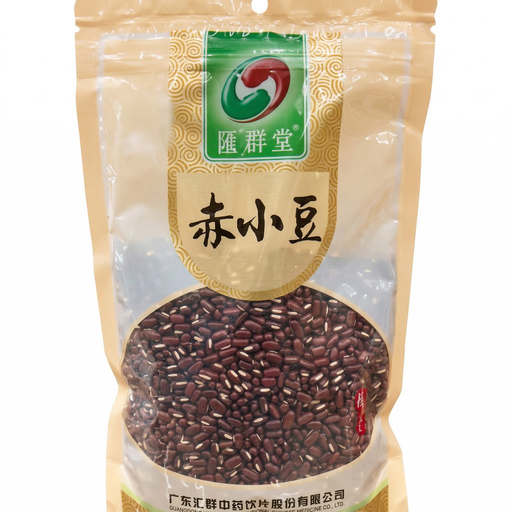
Why This Fits Their Persona: This user is looking for specific, authentic ingredients to recreate traditional recipes. Adzuki beans are essential for many East Asian sweet soups and desserts, and their distinct, slightly sweet flavour cannot be easily substituted.
By seeking out a specific type of bean, you are already making a more informed choice. The product provides clear soaking and cooking instructions, helping you avoid the "dried bean gamble" and achieve the correct texture.
Provides the authentic taste and firm-yet-tender texture required for specific Asian recipes. A versatile ingredient for both sweet and savoury dishes.
We have compiled a complete, real-time list of products that fully satisfy these strict selection criteria and UK safety regulations.
1. Do I really need to soak dried beans overnight? While not strictly mandatory for all beans, soaking offers significant benefits. It drastically reduces cooking time, saving energy. It also helps to break down some of the complex sugars that can cause digestive discomfort, making the beans easier to digest. A quick-soak method involves covering the beans with water, bringing them to a boil for 2-3 minutes, then removing from the heat and letting them stand for an hour before cooking.
2. What is aquafaba and should I use it? Aquafaba (Latin for "bean water") is the viscous liquid found in a can of chickpeas. It has properties similar to egg whites and can be whipped into a foam, making it an excellent egg substitute in vegan recipes like meringues, mousses and mayonnaise. If you buy high-quality canned chickpeas with minimal salt, it's certainly worth saving and experimenting with.
3. How can I tell if my dried beans are too old to cook? One simple check is the "float test": place the beans in a bowl of water before soaking. Very old, dried-out beans are less dense and may float to the surface. The most reliable sign, however, is their performance. If your beans remain hard after a significantly longer-than-usual cooking time (even after soaking), they are likely past their prime. To avoid this, purchase from retailers with a high turnover of stock.