
24/7 Customer Support

Free returns

Same-day & Next-day Delivery

Quality Guaranteed

Unlock Your Welcome Offers: FREE Delivery | Up to 80% OFF | Free 30-day JoyPlus trial
Download the APP
Beans can support everything from a quick breakfast on toast to a slow-cooked soup, sweet dessert or hot-pot meal. However, the word “beans” covers very different products. A dried mung bean needs soaking and cooking, while baked beans in tomato sauce can be heated within minutes. Choosing by appearance or price alone can lead to the wrong texture, unsuitable ingredients or more preparation than expected.
This guide explains the practical details UK households should check before buying, with options for everyday meals, Asian cooking and plant-based recipes.
Mung beans, adzuki beans and red beans are not interchangeable in every recipe. Mung beans are commonly used for sweet soups, congee, sprouts and bean paste. Adzuki beans have a firmer texture and earthy flavour, making them suitable for sweet broths, porridge and desserts. Red beans are often used for fillings, rice dishes and traditional bean paste.
Check the product name and intended use rather than relying only on colour. “Red beans” may refer to a larger red variety, while “small red beans” generally indicates adzuki beans.
Dried beans usually offer flexible portion sizes and long cupboard storage, but they require preparation. Most need rinsing, soaking and thorough cooking until tender. A product described as suitable for soup does not mean it is ready to eat.
For a fast breakfast, baked beans in tomato sauce are more practical. For soups, desserts and traditional recipes where texture matters, dried beans may be a better fit.
Tinned beans often include tomato sauce, sugar, salt, vinegar or modified starch. These ingredients affect flavour and nutrition, particularly if you are comparing standard and reduced-sugar options.
Speciality products also need careful storage. Dried beans should be kept sealed in a cool, dry place, while opened tinned beans should be transferred to a suitable container and refrigerated according to the pack instructions. Frozen products, such as fried beancurd, require freezer storage and should not be refrozen after defrosting.
Choose the format based on how you cook:
Compare the total weight rather than the front-of-pack price. For example, Honor Mung Bean is supplied as 454g × 2, while Fortune Foods Mung Beans are 400g × 2. Multi-packs can suit frequent cooks, but a smaller pack may be more sensible if you are trying an unfamiliar ingredient.
For baked beans, a four-can pack is practical for regular breakfasts, whereas a single 220g can may suit one person or occasional use.
Use the nutrition panel to compare fibre, protein, sugar and salt per 100g or per serving. Dried beans naturally have a different nutritional profile from cooked beans in sauce, so compare like with like.
Always check allergens. Soybean products contain soya, while some products may contain sulphites, milk, nuts or peanuts. Food labels should also confirm whether the product is vegetarian or vegan if this matters to your household.
Dried beans must be cooked thoroughly. Follow the pack instructions, and do not eat them raw or only partially cooked.
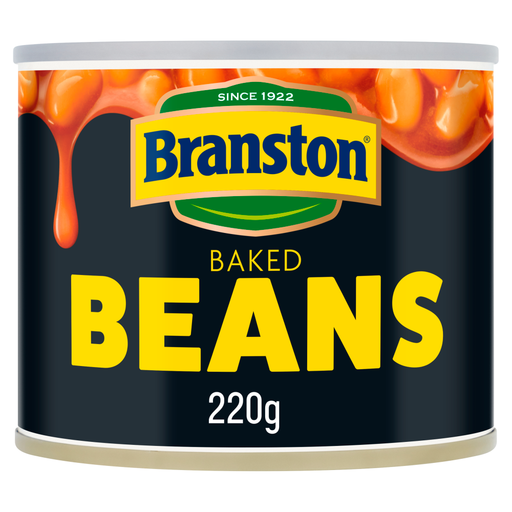
Why This Fits Their Persona: A compact can for students, smaller households or anyone wanting a quick vegetarian breakfast without committing to a multi-pack.
It is a ready-to-heat product, so there is no soaking or lengthy cooking. The listed nutrition provides 5.9g fibre and 4.6g protein per 100g.
220g single-can format; beans in tomato sauce; no artificial colours, flavours or preservatives listed.
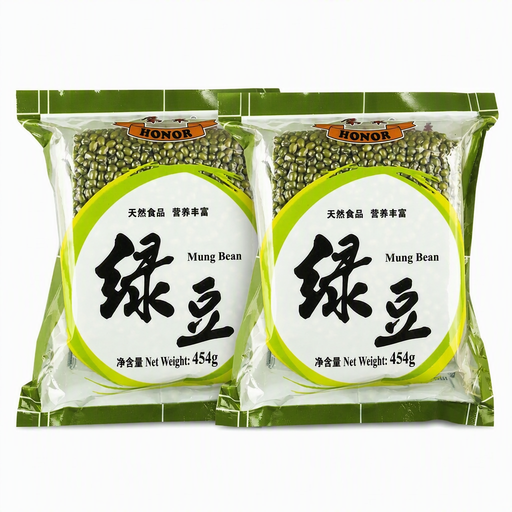
Why This Fits Their Persona: A larger cupboard pack for cooks preparing mung bean soup, congee, sweet paste or homemade sprouts.
The pack clearly states that it requires washing, soaking and cooking, avoiding confusion with ready-to-eat products.
100% mung beans; 454g × 2 format; listed at 12g dietary fibre and 21g protein per 100g.
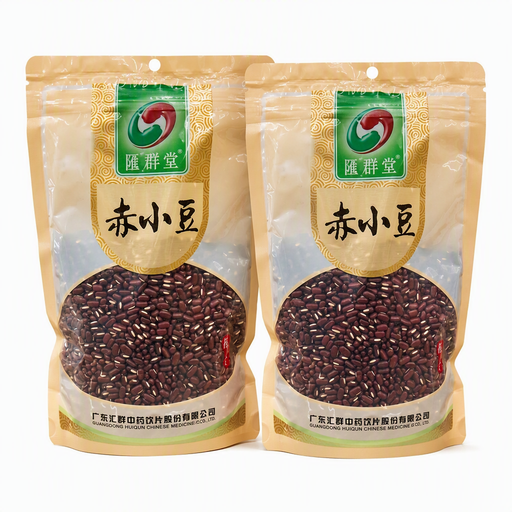
Why This Fits Their Persona: Designed for frequent preparation of sweet soups, porridge, desserts, stews and traditional small red bean recipes.
The instructions specify rinsing, 4–6 hours of soaking or overnight soaking, followed by cooking until tender.
800g total pack; suitable for soups, desserts and porridge; nutrition lists 20g protein per 100g of dry beans.
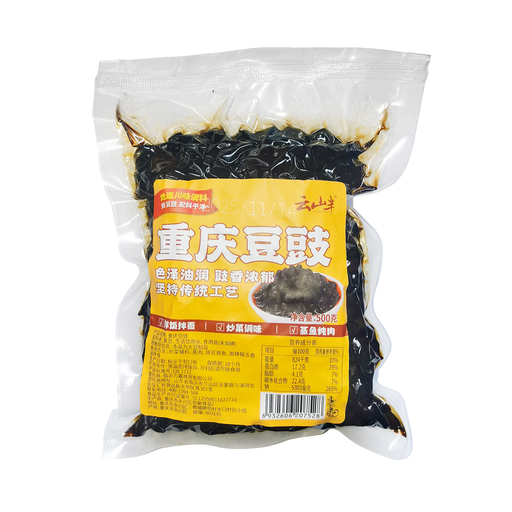
Why This Fits Their Persona: A savoury pantry ingredient for Chinese home cooking, including stir-fries, steamed dishes and sauces.
It is clearly identified as fermented black beans for Chinese cuisine, rather than being mistaken for dried black beans used in soups.
500g pack; ingredients listed as soybeans, water and salt; 13.5g salt per 100g, making portion control important.
We have compiled a complete, real-time list of products that fully satisfy these strict selection criteria and UK safety regulations.
Soaking is commonly recommended for dried mung beans, adzuki beans and red beans because it can shorten cooking time and help them cook more evenly. Follow the specific pack instructions, rinse the beans first and cook them thoroughly until tender.
Storage varies by product, but the supplied baked bean products generally advise transferring leftovers to a covered or airtight container, refrigerating them and using them within two days. Always follow the instructions on the can or jar rather than leaving opened contents in the original packaging.
Many plain dried beans and standard baked beans are suitable for vegetarian cooking. Vegan suitability can vary, particularly in flavoured products such as cheesy baked beans, so check the ingredients and allergen information. Beans can be served with toast, rice, vegetables, noodles or grains to create a range of plant-based meals.