
24/7 Customer Support

Free returns

Same-day & Next-day Delivery

Quality Guaranteed

Unlock Your Welcome Offers: FREE Delivery | Up to 80% OFF | Free 30-day JoyPlus trial
Download the APP
Beans, peas and pulses can make meals more affordable, filling and versatile, but the label on the front of a packet or tin does not always tell the whole story. UK shoppers may be comparing tinned beans, dried beans, frozen peas, chickpeas, kidney beans, mung beans, edamame, quinoa and edible seeds across very different formats.
The right choice depends on how quickly you cook, how much storage space you have and whether you need a convenient ingredient, a bulk pantry staple or a snack. This guide highlights the main buying traps and the specifications worth checking before ordering.
A 400g tin usually includes water, so the edible quantity is lower than the headline pack size. Compare products using the drained weight and the number of servings, rather than assuming two tins with the same stated weight offer exactly the same value.
Liquid can also affect salt levels. Check the nutrition panel per 100g drained, particularly when comparing kidney beans, chickpeas, butter beans or mixed beans.
Beans and pulses can contribute plant-based protein and fibre, but nutritional values vary considerably. For example, a product may contain only one ingredient, while another includes water, salt or antioxidants. Seeds such as chia seeds and fenugreek seeds are used in smaller quantities and should not be compared directly with a serving of cooked beans.
Look for the ingredient list, protein, fibre and salt values, and consider the product’s role in your meal rather than relying on broad front-of-pack language.
Tinned beans are convenient because they are already cooked, while dried beans require sorting, rinsing, soaking and thorough cooking. Frozen peas and edamame need freezer space and must remain frozen. Seeds and grains need a dry, sealed storage area to protect them from moisture and insects.
A low-priced dried ingredient may become poor value if it remains unused because preparation takes longer than expected.
Choose tinned beans when speed matters. Chickpeas, red kidney beans, butter beans and five-bean mixes can be drained and added to salads, curries, soups or stews. After opening, transfer leftovers to a non-metallic container, refrigerate and follow the pack’s consumption guidance.
Choose dried beans when you want more control over quantity and seasoning. Mung beans, adzuki beans, black beans and soya beans are useful in Asian, Indian and Chinese-style cooking, but they require cooking before eating. Do not consume raw or undercooked beans.
Frozen peas and edamame are useful freezer staples. Frozen peas can be cooked directly from frozen, while edamame is suitable for rice dishes, stir-fries, salads and snacks. Check whether the pack contains pods or shelled beans, as this changes convenience and usable quantity.
For vegetarian ingredients and vegan pantry staples, check whether the product contains only the named pulse or whether it includes salt, flavourings or other additions. A product marked suitable for vegetarians is not automatically suitable for every dietary requirement.
Soya products, including edamame and dried soya beans, must be treated as containing soya, a regulated allergen. Mixed products may also include “may contain” statements. Quinoa is naturally free from cereals containing gluten according to the supplied product information, but always check the packaging for current allergen advice.
Use nutrition panels to compare like with like. A drained tinned product and an uncooked dried product will have different values because cooking changes water content. Fibre and protein figures can help you build meals around high-fibre foods and plant-based protein, but they should be considered as part of a varied diet.
For example, the supplied Morrisons Petit Pois lists 5.2g of fibre and 5.4g of protein per 100g drained. Cooks & Co 5 Bean Mix lists 7.9g of fibre and 6.9g of protein per 100g drained. These figures are useful for comparison, but serving sizes and the rest of the meal still matter.
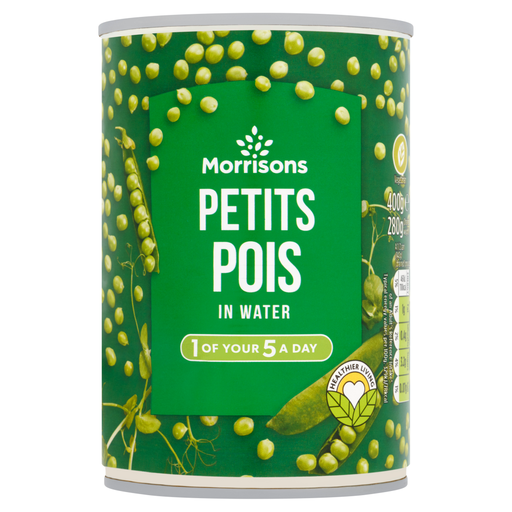
Why This Fits Their Persona: A straightforward ambient option for smaller households, quick weekday meals and shoppers beginning to build a selection of vegetarian ingredients.
The ingredients are listed as petits pois and water, making it easy to understand what you are buying. The nutrition information is provided per 100g drained.
Ambient storage; suitable for vegetarians; 5.2g fibre and 5.4g protein per 100g drained.
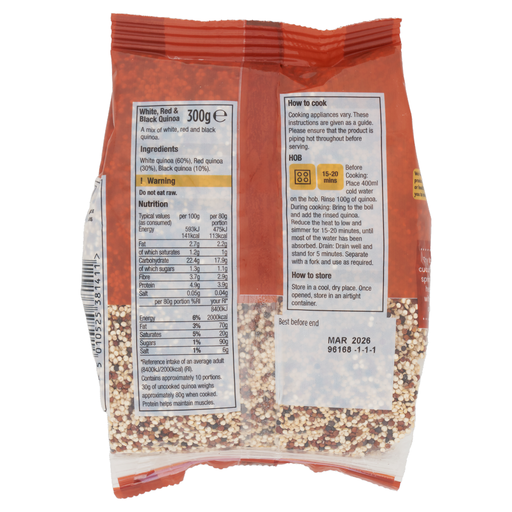
Why This Fits Their Persona: A colourful grain blend for cooks who want a textured base for salads, bowls and meals replacing rice or couscous.
The blend percentages are stated clearly: 60% white, 30% red and 10% black quinoa. It also includes a clear instruction not to eat raw.
Three quinoa varieties in one 300g pack; 3.7g fibre and 4.9g protein per 100g.
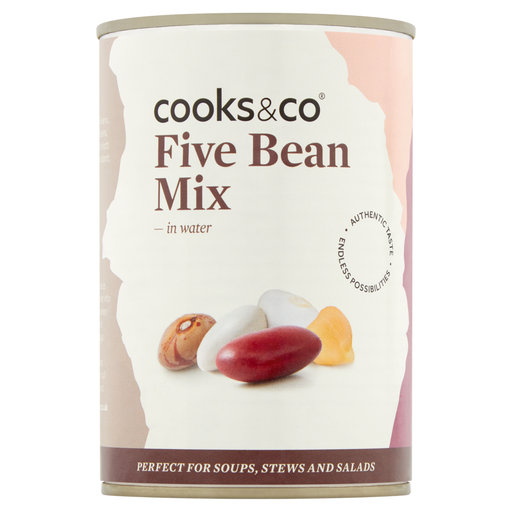
Why This Fits Their Persona: Useful for families and batch cooks who want several bean varieties ready for soups, stews, salads and meat-free meals.
The product identifies the five bean types and provides drained nutrition values, helping you assess the usable contents rather than the water-filled tin.
Contains white beans, chickpeas, lima beans, kidney beans and borlotti beans; 7.9g fibre per 100g drained.
We have compiled a complete, real-time list of products that fully satisfy these strict selection criteria and UK safety regulations.
Many plain beans, peas and pulses are suitable for vegetarian and vegan diets, including chickpeas, kidney beans, lentils, peas and some edamame products. Always check the ingredients and allergen statement, particularly for mixed or seasoned products.
Dried beans can offer a lower cost per usable portion, especially for batch cooking, but they require soaking, cooking time and planning. Tinned beans cost more per ready-to-eat portion but reduce preparation time and avoid the need for extended cooking.
Follow the individual label. The supplied products commonly advise transferring the contents to a non-metallic container, refrigerating and consuming within two to three days. Always check the packaging for the specific instruction.