
24/7 Customer Support

Free returns

Same-day & Next-day Delivery

Quality Guaranteed

Unlock Your Welcome Offers: FREE Delivery | Up to 80% OFF | Free 30-day JoyPlus trial
Download the APP
Shopping for beauty and personal care products online can feel straightforward until marketing language gets in the way. A product may promise long-lasting hydration, instant relief or a brighter complexion, yet the details that matter most are often hidden in the ingredient list, directions or warning label.
This guide helps UK shoppers compare skincare products, hair treatments, grooming products, foot care and baby-care items according to practical needs rather than promotional claims.
Words such as “instant”, “repair”, “detox” and “miracle” describe marketing positioning, not necessarily a result that every user will experience. Look instead for measurable details such as net volume, ingredient concentrations, application time and whether the product is leave-on or rinse-off.
For example, a facial serum containing 4% tranexamic acid has a clearer specification than a product described only as a “powerful dark spot solution”. Even then, skin response varies and a patch test remains sensible.
Natural-origin ingredients, essential oils and fragrance are not automatically suitable for every skin type. A person with sensitive skin should check for perfume, alcohol, exfoliating acids, essential oils and known allergens before ordering. The same applies to hair products: rich oils and silicones may benefit dry lengths but feel heavy on fine hair.
Always compare the current packaging with the online listing, particularly if you have allergies or intolerances. Formulations, warnings and packaging can change.
A sleeping mask, hair mask, leave-in treatment and rinse-off conditioner are not interchangeable. Similarly, a scalp treatment may need to be applied directly to the scalp and rinsed after a set period, while a beard softener may be left on or washed out.
Before purchasing, check whether the product fits your available time and storage habits. A compact serum or sachet pack may be useful for travel, while a 400ml body lotion or 500ml bath soak may offer better value for regular home use.
For targeted skincare, identify the active ingredients and their stated concentrations where available. A dark spot serum may contain tranexamic acid, niacinamide, alpha-arbutin or vitamin C. These ingredients have different formulation roles, so avoid layering several potentially irritating products immediately.
For acne-prone skin, check whether an acne spot treatment contains ingredients such as salicylic acid or sulphur and follow the product’s directions. Avoid applying intensive treatments to broken or irritated skin.
Texture affects whether a product becomes part of your routine. Lightweight gels and watery facial serums generally suit users who dislike a heavy finish. Rich creams may be more appropriate for rough feet or very dry body skin.
Hair products also differ considerably. A hair mask normally requires rinsing, whereas a leave-in serum is designed to stay on the hair. For damaged or dry lengths, consider whether you need detangling, frizz control, conditioning or heat-styling support rather than simply choosing the product with the longest hydration claim.
Read the product label before use. Baby-care products require particular care: check the stated age range, dose and maximum daily use. Dentinox Colic Drops, for example, specify a measured 2.5ml dose with or after feeds and a maximum of six doses per day. Teething products also have different age requirements, so do not assume that a product suitable from three months is suitable for a newborn.
For cosmetics, discontinue use if persistent irritation occurs. Products containing retinal, acids or fragrance may require additional caution. Keep all baby medicines, medical devices and cosmetics away from children and follow the storage guidance supplied with the item.
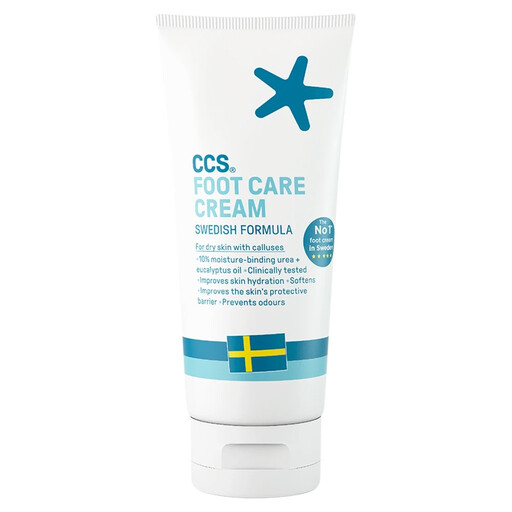
Why This Fits Their Persona: A straightforward daily option for shoppers beginning a foot-care routine, particularly those dealing with dry or callused skin.
Its stated 10% urea content gives buyers a specific moisturising parameter instead of relying on vague softness claims. It is listed without added fragrance.
175ml size; contains urea and glycerin; listed as free from lanolin, parabens and added fragrances.
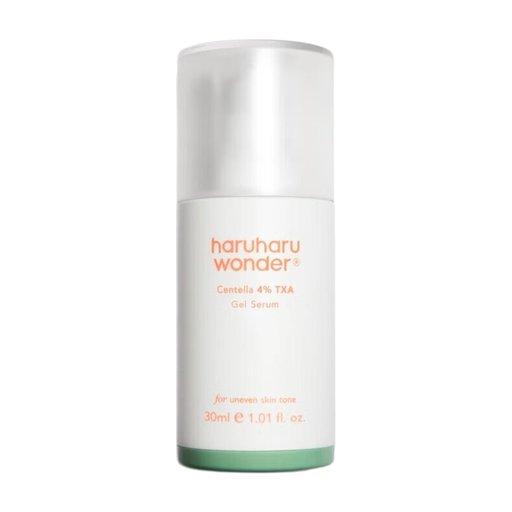
Why This Fits Their Persona: A considered Korean skincare choice for shoppers who want clearly listed brightening and soothing ingredients in a lightweight serum.
The formula identifies 4% tranexamic acid and 4% niacinamide, making comparison easier than relying on an undefined “glow” promise.
Gel texture; centella complex; no artificial fragrance, sulphates, drying alcohol or parabens according to the supplied product details.
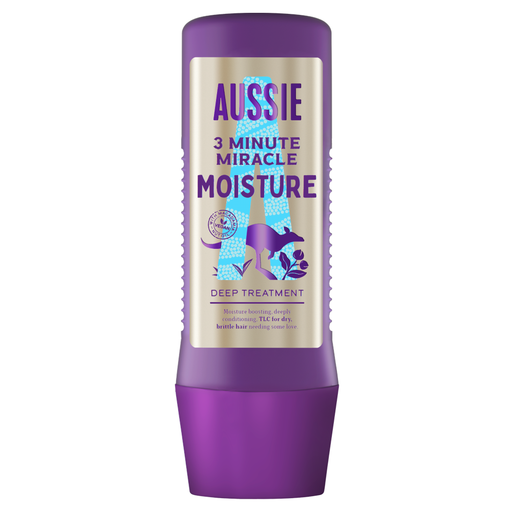
Why This Fits Their Persona: Suitable for people managing dry, brittle or damaged lengths who want one product with several usage options.
The directions specify use as a conditioner, a three-to-five-minute treatment or a longer mask, so the format is clear before purchase.
225ml pack; macadamia nut oil; vegan formula; designed for application to mid-lengths and ends.
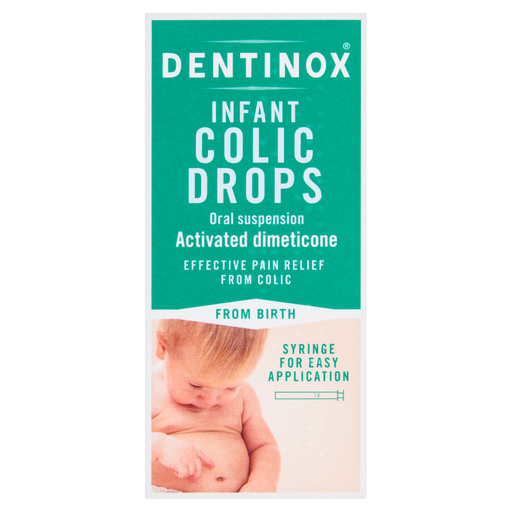
Why This Fits Their Persona: A practical baby-care option for parents who need clearly stated administration instructions at home or while travelling.
The pack states that it is suitable from birth and provides a measured 2.5ml dose, bottle or syringe administration and a six-dose daily maximum.
100ml bottle; alcohol-free; activated dimeticone listed as the active ingredient; includes a measuring syringe.
We have compiled a complete, real-time list of products that fully satisfy these strict selection criteria and UK safety regulations.
Start with the ingredient list and select one new product at a time. Look for clear usage instructions and consider avoiding added fragrance, essential oils, strong exfoliants and drying alcohol if these have previously caused discomfort. Perform a patch test and stop using the product if irritation develops.
Shelf life depends on the formula, packaging and storage. Check the batch, expiry or period-after-opening information on the packaging. Keep products closed, away from direct sunlight and stored according to the label. Using more product than directed can shorten how long a pack lasts without improving results.
No. Colic drops and teething products are designed for different uses and have different age ranges, ingredients and instructions. Read the supplied leaflet and label carefully, follow the stated dose and speak to a pharmacist, health visitor or doctor if symptoms persist or worsen.