
24/7 全天候客户支持

免费退货

当日/次日达

品质保障

开启新人专享福利: 全场免邮 | 低至 2 折 | 免费试用 30 天 JoyPlus 会员
下载 Joybuy
Choosing beauty and skincare products can feel straightforward until marketing claims, unfamiliar ingredients and different product textures make comparison difficult. A serum may promise overnight transformation, while a body cream may advertise days of hydration. These statements do not always explain whether the product suits your skin type, routine or budget.
This guide from the Joybuy Product Recommendation Officer focuses on practical details: what to check on the label, which product formats match common needs and how to avoid paying for features you are unlikely to use.
A moisturiser or face serum can make skin feel smoother and look temporarily plumper by increasing surface hydration. This is different from changing the underlying structure of the skin. Look for clear information about the product’s texture, ingredients and intended use rather than relying only on phrases such as “youthful” or “renewal”.
For an anti-ageing serum, check whether it contains ingredients relevant to your routine, such as hyaluronic acid, niacinamide, peptides or glycerin. These may support hydration and improve the appearance of dryness, but results vary between users.
Plant extracts and fragrance can still cause sensitivity. Vegan skincare describes the absence of animal-derived ingredients, while cruelty-free beauty products relate to animal-testing policies. Neither term automatically means a product is fragrance-free or suitable for every skin type.
Always read the current ingredient list on the packaging. If you have reactive skin, introduce one new product at a time and perform a patch test where appropriate.
A rich cocoa butter balm may be useful for dry patches, lips or elbows, but a body lotion labelled “do not apply on face” should not be used as a facial moisturiser. Similarly, a split-end repair treatment can improve the appearance and feel of damaged ends, but it cannot permanently rejoin cut hair fibres.
Clear directions are more useful than a long list of suggested applications.
For sensitive skin care, look for a short ingredient list where possible and be cautious with fragrance allergens, essential oils, alcohol denat. and exfoliating acids.
Ingredients are generally listed in descending order by concentration, although there are exceptions for colourants and some regulated ingredients. Glycerin, mineral oil, shea butter, cocoa butter, dimethicone and hyaluronic acid are commonly used to support the feel and moisture balance of dry skin.
For hair repair products, silicones such as dimethicone or amodimethicone can smooth the surface and reduce friction. Protein ingredients, including hydrolysed quinoa, may provide a conditioning feel. These effects are cosmetic and do not replace trimming severely split ends.
UK cosmetic products should display responsible-person details, a nominal quantity, ingredients, precautions and a period-after-opening symbol or date where applicable. Check that:
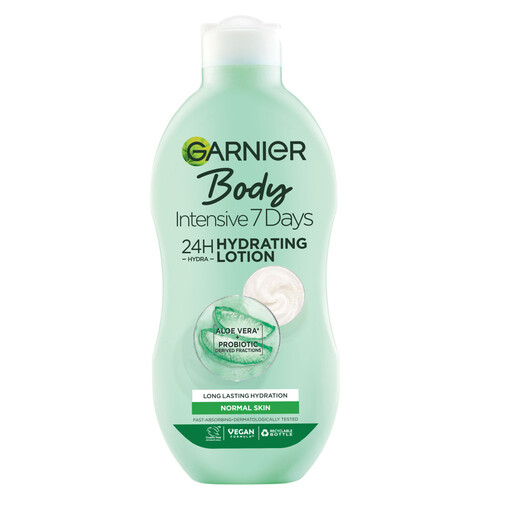
Why This Fits Their Persona: A 400ml body moisturiser is practical for regular full-body use, with a lightweight texture designed for normal skin.
Its stated use is for the body, helping shoppers avoid substituting a body lotion for facial skincare.
Contains aloe vera and glycerin; the formula is described as fast-absorbing and non-greasy.
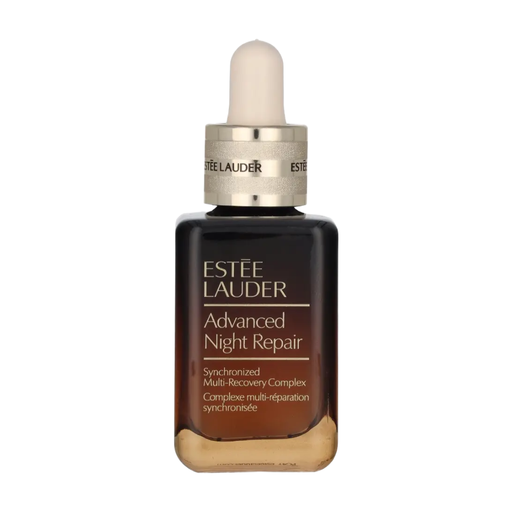
Why This Fits Their Persona: Suits shoppers building a dedicated morning and evening face serum routine and looking for a lightweight, oil-free texture.
The listed directions specify application after cleansing and before moisturiser, making its place in a routine clear.
Includes sodium hyaluronate, glycerin, squalane and Tripeptide-32; suitable-use information includes sensitive skin, subject to individual tolerance.
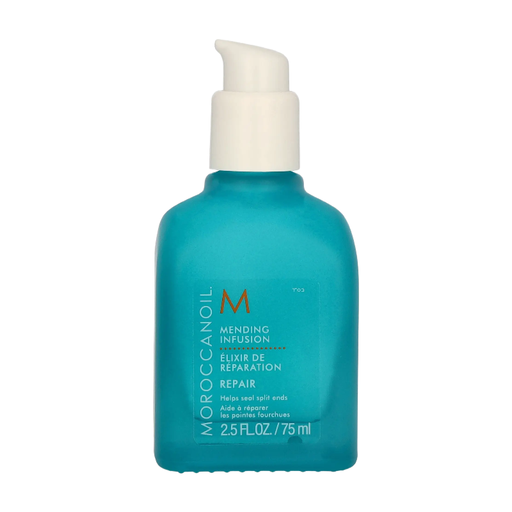
Why This Fits Their Persona: Designed for shoppers managing dry, damaged, coloured or frizz-prone hair, particularly on busy mornings or between washes.
It is a leave-in split-end repair treatment for dry hair, rather than a rinse-out hair conditioner marketed for every concern.
Contains argan oil, hydrolysed quinoa and baobab extract; its lightweight formula is intended for dry hair and mid-lengths to ends.
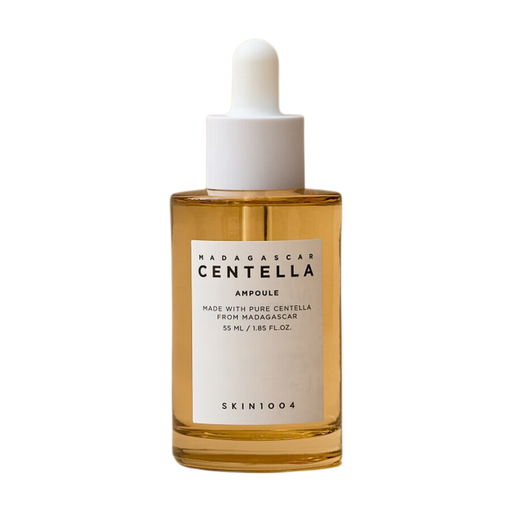
Why This Fits Their Persona: Its single-ingredient positioning and watery texture may appeal to shoppers who prefer a short, uncomplicated facial routine.
The ingredient list identifies Centella Asiatica Extract at 100%, avoiding a lengthy blend of unclear marketing-led actives.
A lightweight ampoule with a short listed ingredient profile; patch testing remains sensible for sensitive or reactive skin.
Start with a gentle cleanser, followed by a face serum if required, then moisturiser. In the morning, finish with broad-spectrum sunscreen suitable for your skin. Introduce new actives separately so you can identify the cause if irritation occurs.
Usage depends on the area covered, amount applied and frequency. A 400ml body lotion may suit regular full-body use, while a 100g cocoa butter balm is more practical for targeted areas such as lips, hands, elbows and heels. Store products away from direct sunlight and check the packaging for shelf-life information.
A hair repair mask or hair conditioner can improve softness, detangling and the appearance of dry ends. A leave-in treatment may temporarily smooth or bind the look of split ends, but cutting damaged sections is the dependable way to remove them. Choose based on whether you need rinse-out conditioning, intensive treatment or lightweight daily finishing care.