
24/7 Customer Support

Free returns

Same-day & Next-day Delivery

Quality Guaranteed

Unlock Your Welcome Offers: FREE Delivery | Up to 80% OFF | Free 30-day JoyPlus trial
Download the APP
Many of us diligently follow a multi-step skincare routine, applying serums, moisturisers and masks to achieve a healthy glow. But what if the journey to a more radiant complexion could begin from within? The concept of 'beauty from within' is gaining traction and one of the most enjoyable ways to embrace it is through the simple ritual of drinking tea.
A well-chosen beauty tea can be more than just a comforting beverage; it can be a supportive element in your daily wellness and skincare practice. However, with so many options available, it can be difficult to know where to start. This guide is designed to help you navigate the world of wellness teas, understand what to look for and find a blend that aligns with your skin goals.
Before adding a product to your basket, it helps to understand the key factors that distinguish a high-quality wellness tea. Here are a few practical tips to keep in mind.
The foundation of any beauty tea is, of course, the tea itself. Different types of tea leaves offer different properties.
A true floral wellness tea or natural skincare drink should have a clean and transparent ingredient list. Look for blends that use whole, natural ingredients like real flower petals, herbs and high-quality tea leaves. Be wary of products with 'artificial flavours' or unnecessary additives, as these do not contribute to the wellness goals you are aiming for. The goal is to find a pure, functional beverage.
The choice between loose-leaf tea and tea bags often comes down to personal preference and lifestyle.
After analysing the market for products that balance quality, thoughtful formulation and user experience, we've selected a few standout options from the Tea Story brand, which focuses on authentic tea heritage.

Why It Stands Out: This blend thoughtfully combines premium Fuding Shoumei white tea with fragrant osmanthus flowers. In traditional wellness practices, both ingredients are valued for their supportive properties. White tea is a potent antioxidant tea, while osmanthus is known for its delightful aroma and is often used in blends intended as a detox tea for skin. Its naturally low caffeine content makes it a perfect, gentle brew for any time of day.

Why It Stands Out: This tea offers a unique floral experience, blending smooth oolong tea with the delicate fragrance of camellia. Camellia is a flower rich in antioxidants, which are known to help the body combat oxidative stress and support healthy, hydrated skin. The oolong tea base is a classic choice for those looking to aid their metabolism, making this a well-rounded wellness infusion.
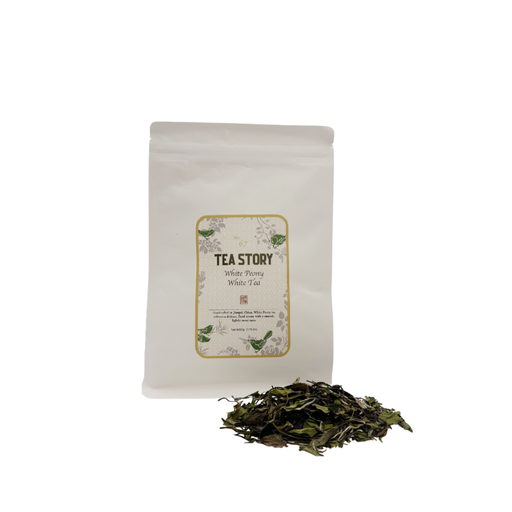
Why It Stands Out: For the tea purist, this is an exceptional choice. It is a pure, loose-leaf Fuding White Peony (Bai Mudan) tea, one of the most respected types of white tea. Crafted using a traditional sun-drying process, it preserves the tea's natural compounds, including a high level of antioxidants and tea polyphenols. This makes it a classic skin radiance tea, helping to support a bright, even complexion from the inside out.
Our recommendations are a great starting point, but the world of wellness teas is vast. If you're curious about other blends or ingredients that can complement your skincare routine, we invite you to explore our curated collection of Spicy Skin products to find the perfect match for your needs.
What makes a 'beauty tea' different from regular tea? The main difference lies in the intention and formulation. While many teas have inherent benefits, a beauty tea is often a specific blend of a tea base (like white or oolong) with other botanicals (like flowers or herbs) chosen for their traditional association with skin health, such as supporting radiance, hydration or detoxification.
How often should I drink tea for glowing skin? Consistency is often more important than quantity. Incorporating one or two cups of a high-quality natural skincare drink into your daily routine is a sustainable approach. It is always advisable to follow the product's usage instructions and listen to your body.
Can I drink these teas before bed? It depends on the tea's caffeine content and your personal sensitivity. White teas, like the Tea Story Osmanthus White Tea, are naturally lower in caffeine than black or green teas, making them a more suitable evening choice for many. If you are sensitive to caffeine, it is always best to check the product details or opt for a naturally caffeine-free herbal infusion.