
24/7 Customer Support

Free returns

Same-day & Next-day Delivery

Quality Guaranteed

Unlock Your Welcome Offers: FREE Delivery | Up to 80% OFF | Free 30-day JoyPlus trial
Download the APP
Beauty supplements can be appealing when hair feels less lively, nails split easily or skin looks dull and dehydrated. However, the category includes everything from single-nutrient capsules to collagen powders, herbal blends and skin hydration products. The right choice depends less on impressive packaging and more on ingredients, dosage, dietary suitability and how easily the product fits your routine.
Some biotin supplements display extremely high percentages of the Nutrient Reference Value (NRV). That figure may look persuasive, but it does not automatically mean the product is appropriate for everyone or that a higher dose will create a more noticeable cosmetic effect.
Check the actual amount per serving, whether you already take a multivitamin and whether the formula includes other nutrients you need. High-dose biotin may also interfere with some blood test results, so tell your healthcare professional that you are taking it before testing.
Collagen supplements are commonly made from fish or bovine sources. Marine collagen powder may suit shoppers who prefer a fish-derived option, but it is not suitable for people with fish allergies or those following a vegetarian or vegan diet. “Plant-based collagen” wording can also be misleading: plants do not provide animal collagen peptides, although vegan beauty supplements may contain nutrients that contribute to normal collagen formation, such as vitamin C.
Always check the allergen statement, serving size and collagen quantity rather than relying on the front-of-pack wording.
Beauty vitamins cannot replace a varied diet, adequate fluids, sun protection or a consistent skincare routine. Supplements may complement topical anti-ageing skincare, cleansers and moisturisers, but they should not be presented as a treatment for a medical condition or a guaranteed solution for wrinkles, hair loss or skin concerns.
For hair, skin and nails supplements, look for transparent quantities rather than a vague “beauty complex”. Common nutrients include biotin, zinc, selenium, vitamin C, vitamin E and copper. Under authorised UK nutrition claims, biotin contributes to the maintenance of normal hair and skin, while vitamin C contributes to normal collagen formation and normal skin function.
Compare the serving size carefully. One product may require one capsule daily, while another may require two tablets or a measured scoop. This affects cost per day and the likelihood that the routine will be convenient enough to maintain.
Check whether the product is:
For example, vegan beauty supplements may use nutritional yeast, bamboo silica, plant concentrates or amino acids, whereas collagen supplements contain animal-derived peptides.
A powder can be mixed into water, porridge, coffee or a smoothie, but it requires measuring and suitable storage. Capsules are compact and convenient for travel, while effervescent tablets may be easier for people who dislike swallowing pills.
Look for a clear recommended dose, sealed packaging, storage instructions and a best-before date. If you take several beauty vitamins, check for overlapping nutrients to avoid unintentionally doubling up.
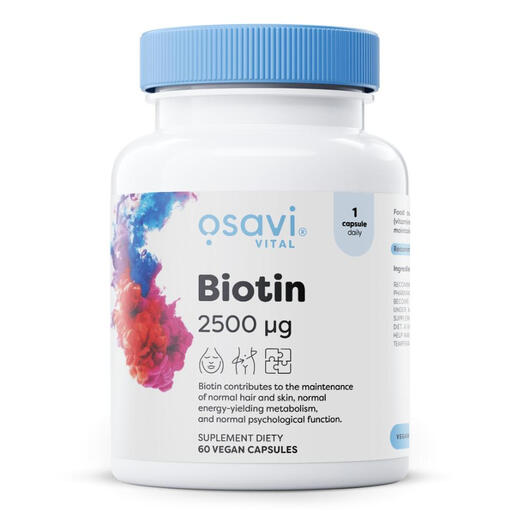
Why This Fits Their Persona: A straightforward once-daily capsule for adults who want to start with one clearly identified nutrient rather than a broad, multi-ingredient formula.
The label states 2,500 micrograms of D-biotin per capsule and identifies the vegan capsule shell, avoiding unclear proprietary blends.
Vegan, gluten-free, lactose-free and soya-free; 60 capsules with a one-capsule daily direction.
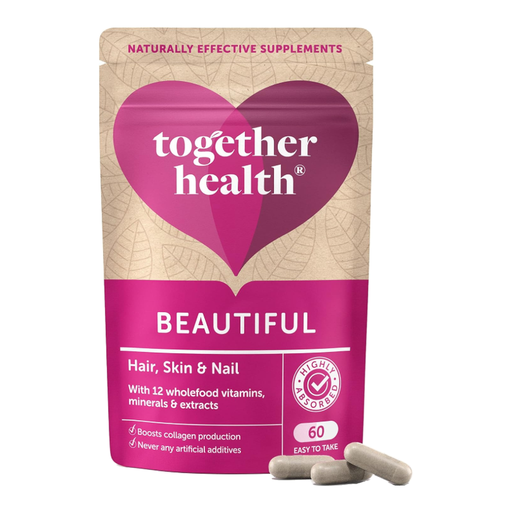
Why This Fits Their Persona: Suits shoppers seeking a plant-based, multi-nutrient routine with hyaluronic acid and silica, without fish or bovine collagen.
The product information lists individual nutrient amounts, including biotin, vitamin C, zinc, selenium, hyaluronic acid and silica.
Two vegetable-cellulose capsules per day; listed as vegan and free from wheat, soya, gluten and dairy.
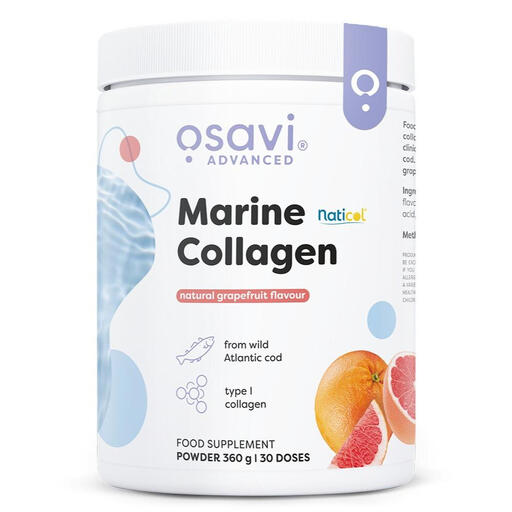
Why This Fits Their Persona: A practical option for adults who prefer a drinkable marine collagen powder and are comfortable incorporating a measured serving into a daily routine.
The pack states a 12g scoop serving and identifies fish collagen peptides, making the source and portion easier to assess.
360g format; natural grapefruit flavour; gluten-free, lactose-free and soya-free according to the product information.
They may be useful when a product’s ingredients match your dietary preferences and routine, particularly if you want clearly measured beauty vitamins such as biotin or vitamin C. They are not a substitute for balanced meals, sleep, hydration or suitable skincare. Compare the cost per serving and avoid buying several products with overlapping ingredients.
Follow the product label rather than assuming every formula has the same schedule. A 60-capsule product may last 30 or 60 days depending on the serving, while powder and sachet formats can have different daily portions. Give any routine enough time to become consistent, but stop and seek advice if you experience an unexpected reaction.
There is no universal answer because formulations and personal circumstances differ. Check the labels for duplicated vitamins and minerals, especially if you also take beauty vitamins or a multivitamin. Marine collagen contains fish, while bovine collagen may contain milk-related flavouring or other allergens. If you are pregnant, breastfeeding, taking medication, managing a medical condition or preparing for blood tests, ask a pharmacist or healthcare professional before use.
Always read the current product label, dosage and allergen information before purchase or consumption.