For a normally heated bedroom, compare compressor dehumidifiers by their stated noise level, humidity controls and a tank or drainage arrangement you can manage overnight. If the room stays cool, compare desiccant models and check the operating guidance for each one. A dehumidifier can reduce airborne moisture, but recurring window condensation also calls for attention to ventilation, heating and cold surfaces.
Who needs to consider what?
Light sleepers with morning window condensation
If the appliance will run while you sleep, compare the named model’s sound level at the setting you expect to use, not just its extraction rating. Check its night-mode behaviour and whether the tank is likely to need attention overnight.
Bedroom users dealing with moisture from elsewhere
Cooking, bathing or indoor clothes drying may add moisture that reaches a bedroom window. Dorset Council explains that water vapour condenses on cold surfaces; consider the appliance’s room guidance, tank and drainage arrangements alongside the moisture sources elsewhere in the home.
People with cool or poorly ventilated bedrooms
Check the room’s usual temperature before choosing a dehumidifier type. GOV.UK describes ventilation as replacing stale, moisture-laden indoor air with fresh air, so the appliance should not be the only response to persistent condensation.
What matters when choosing?
Start with the bedroom’s temperature and moisture sources, then decide which running noise and water-emptying routine will work where the appliance will stand.
| Concern | What to check | Who this matters to |
|---|
| Overnight noise |
Compare stated dB levels by speed or mode where available, and check what a night setting changes. |
If I run a dehumidifier while sleeping, fan noise matters more to me than maximum extraction; around 37% of consumers put undisturbed overnight use first. |
| Recurring condensation |
Check room guidance, the conditions behind the extraction rating and whether the model offers automatic humidity control. |
When moisture keeps returning from activities elsewhere in my home, I need a way to manage it regularly; roughly 27% of consumers make recurring moisture control their main concern. |
| Cool-room operation |
Check the exact model’s operating-temperature guidance. Pro Breeze positions compressor models for warm indoor spaces and desiccant models for cooler areas. |
My bedroom stays cool, so I need to know whether the appliance suits its usual temperature; around 18% of consumers prioritise cool-room suitability. |
| Water handling |
For moisture associated with indoor laundry, compare tank size, full-tank shut-off and whether a suitable drainage route is possible. |
If drying clothes indoors adds to the moisture, I want a manageable emptying routine; roughly 18% of consumers put laundry-linked moisture and water handling first. |
Buying mistakes to avoid
-
Assuming a dehumidifier fixes every cause of condensation
Dorset Council explains that moisture condenses on cold surfaces such as windows. Reducing moisture in the air may leave a cold surface or inadequate ventilation unaddressed.
Use the appliance alongside appropriate ventilation and heating. If wet surfaces or mould persist, investigate the condition of the room or property.
-
Choosing by litres per day alone
An extraction rating does not tell you how the appliance sounds beside a bed or how often its tank needs emptying.
Compare noise information, humidity controls, tank and drainage options, and room-temperature guidance for the exact model.
-
Expecting one noise figure to apply at every setting
Operating mode matters: Meaco states 35 dB for its Arete One 12L but gives 38 dB at its highest fan speed.
Check which setting a stated sound level describes and what happens in night mode if you intend to run the unit while sleeping.
-
Overloading an extension lead to reach a window
London Fire Brigade warns that overloaded extension leads and cable drums that are not fully unwound can overheat.
Follow the appliance instructions when choosing a position, avoid overloading an extension lead and fully unwind any cable drum.
Brands to consider
Meaco
Its domestic range includes the Arete One 12L dehumidifier and air purifier, which Meaco positions for smaller properties.
- Meaco states that the Arete One 12L has a 35 dB sound level and a five-year parts-and-labour warranty.
- Those claims concern the named model, not every Meaco dehumidifier. Check the exact variant’s settings and room guidance for bedroom use.
Ebac
Its domestic range includes the Ebac 15, a dehumidifier with an adjustable humidistat.
- Ebac says the Ebac 15 lets users set a humidity level, a control worth considering if you want the appliance to respond to a target.
- Check this model’s sound and room guidance before deciding whether it suits overnight bedroom use.
Pro Breeze
Its range includes compressor and desiccant dehumidifiers.
- Pro Breeze positions its compressor models for warm indoor spaces and its desiccant models for cooler areas.
- That range-level distinction does not establish which individual model will be quiet enough for sleep. Compare each model’s noise and operating guidance.
Joybuy products for bedroom moisture control
These dehumidifiers offer different extraction ratings and water-handling arrangements to compare for a bedroom. Check the exact model’s operating guidance and sound at your intended setting before choosing one for overnight use.
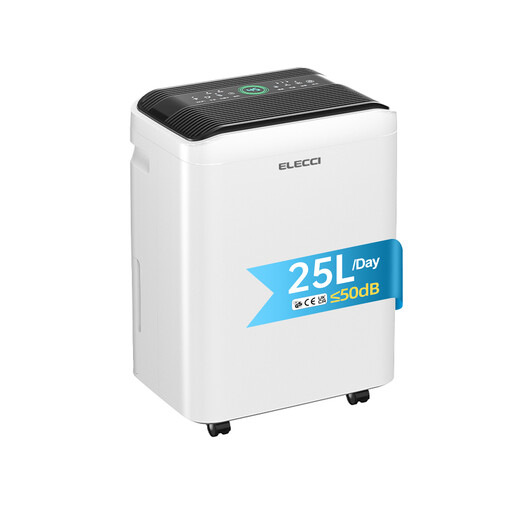 Image unavailable
ELECCI 25L/D dehumidifier with 4.8L tank
Consider its drainage arrangements if emptying a tank would interrupt your routine; check its sound at the speed you would use overnight.
The product title lists three speeds, a 24H timer, continuous drainage with a hose and room guidance of 50m².
View on Joybuy
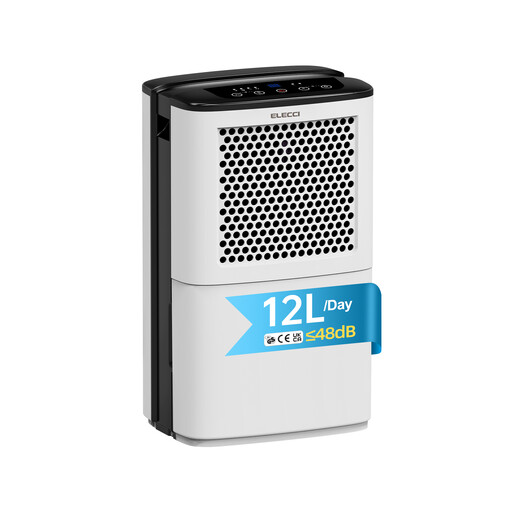 Image unavailable
ELECCI 12L/D dehumidifier with 3.8L tank and drain hose
Its tank and drain-hose options are relevant if you want a choice of emptying routines; confirm its noise at the intended overnight setting.
The product title also lists auto defrost, a 24H timer and room guidance of 25m².
View on Joybuy
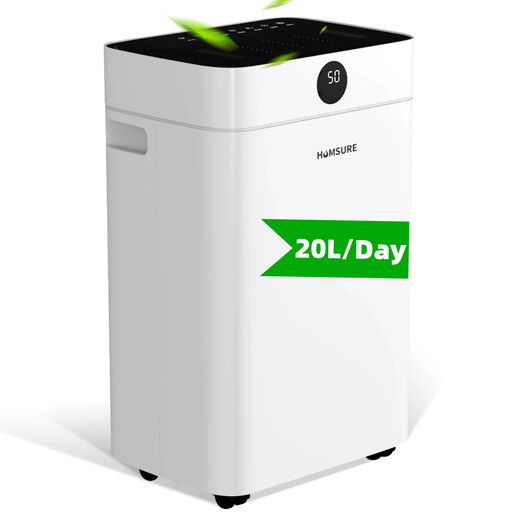 Image unavailable
HUMSURE 20L/Day dehumidifier with 2.8L tank
Compare its tank with the continuous-drainage option if recurring moisture would make frequent emptying inconvenient; check the sound at the setting you plan to use.
The product title lists a 24H timer, auto defrost and room guidance of 50m².
View on Joybuy
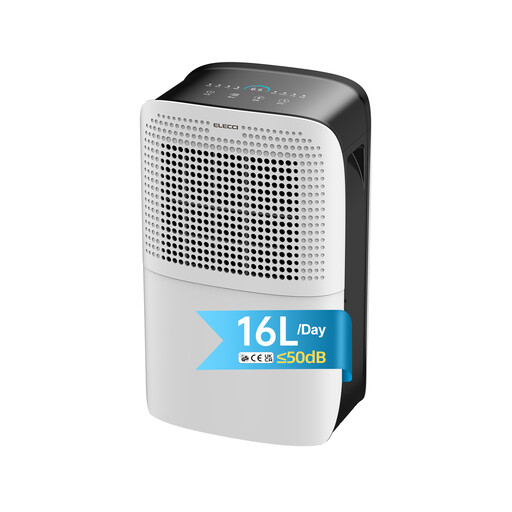 Image unavailable
ELECCI 16L/D dehumidifier with 3.1L tank and drain hose
Its tank and hose provide two water-handling options; check how its modes sound and operate before relying on one overnight.
The product title lists four modes, auto defrost, a 24H timer and room guidance of 32m².
View on Joybuy
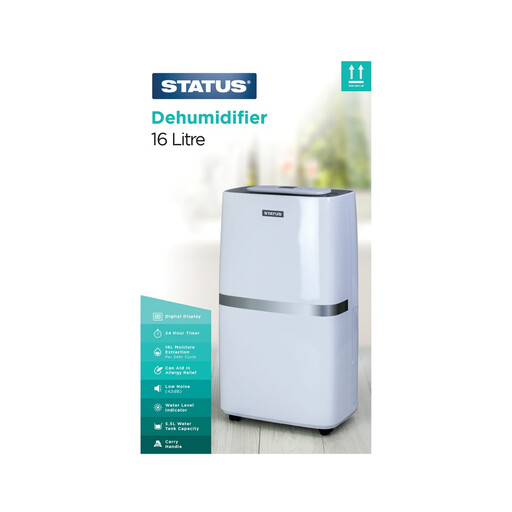 Image unavailable
Status 16L dehumidifier with 5.5L tank
Consider its tank size if you prefer to empty water manually, and check its sound and humidity controls before choosing it for a bedroom.
The product title specifies a digital display and white finish.
View on Joybuy
Frequently asked questions
Will a dehumidifier solve bedroom window condensation on its own?
Not always: it can reduce airborne moisture without correcting a cold surface or inadequate ventilation. Dorset Council explains that water vapour condenses on cold surfaces such as windows, while GOV.UK describes ventilation as a way to exchange moisture-laden indoor air for fresh air. Investigate persistent wetness or mould rather than only running the appliance longer.
Should I choose a compressor or desiccant dehumidifier for my bedroom?
Compare compressor models for a normally heated bedroom and desiccant models if the relevant space stays cool. This follows how Pro Breeze positions its two ranges, not a guarantee about an individual appliance; check the exact model’s temperature guidance, noise, tank and controls.
Can I use an extension lead with a bedroom dehumidifier?
Follow the appliance instructions and do not overload an extension lead. London Fire Brigade also advises fully unwinding cable drums to avoid overheating. Check the appliance’s electrical requirements before deciding where it can safely stand.
What should I do with an old dehumidifier in the UK?
Treat it as electrical waste rather than ordinary household rubbish. GOV.UK says retailers selling electrical equipment must offer take-back of waste of the same type as an item a customer buys; check the seller’s arrangements or a local electrical-waste collection route.


