What matters when choosing?
Decide when the bedroom is usually used for viewing, then check whether the screen fits and whether its sound and apps suit the documentaries you watch.
| Concern | What to check | Who this matters to |
|---|
| Dark-scene detail |
Compare OLED and Mini LED on the exact models, including their HDR support and picture modes. |
If I mostly watch space or underwater footage with the lights low, I want dark areas to retain visible detail. Around 36% of consumers put dark-scene contrast first. |
| Daylight and reflections |
Check screen placement, reflections and independent assessments of the exact TV’s daytime picture. |
When daylight reaches my bedroom, I need to see the programme comfortably without constantly changing where I sit. For around 29% of consumers, daylight viewing is the primary concern. |
| Fit and narration |
Measure the TV and stand space; check dialogue assessments and the audio connections you need. |
I need the screen to fit the furniture, and I want to follow narration at a comfortable late-night volume. Around 21% of consumers prioritise bedroom fit and spoken audio. |
| Streaming access |
Confirm that the exact UK model has your chosen apps and any inputs needed for another streaming device. |
If my documentaries are spread across services, I want straightforward access to the ones I use. Streaming access comes first for around 14% of consumers. |
Joybuy product choices
These bedroom-sized TVs offer different approaches to documentary viewing: an OLED option for lights-low use, plus QNED, QLED and Direct LED options to assess against your room, screen-size and streaming needs. The 43-inch LG QNED80 is not presented here as a Mini LED model.
 No image available
Sony BRAVIA A90 XR42A90K 42-inch OLED TV
Consider this compact OLED if you mainly watch documentaries with the bedroom lights low.
The product name specifies 4K HDR, Google TV, Dolby Vision and Dolby Atmos. Check reflections in your room and the availability of your preferred apps on the exact model.
View on Joybuy
 No image available
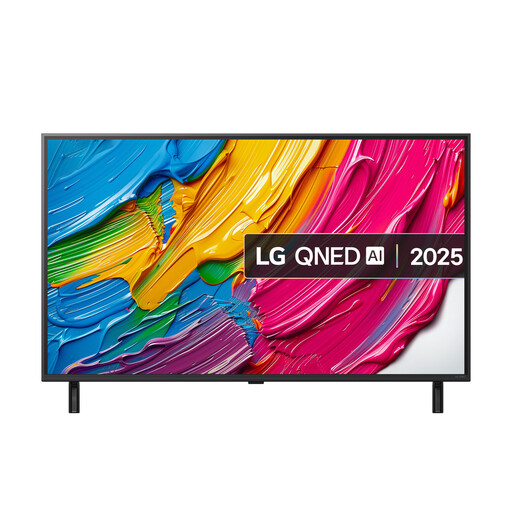
LG QNED80 43QNED80A6A 43-inch 4K TV
This 43-inch QNED model is a compact 4K option to assess where bedroom space is limited.
The product name lists webOS and eARC. QNED does not by itself mean Mini LED; check the exact model’s reflection handling and your preferred apps.
View on Joybuy
 No image available
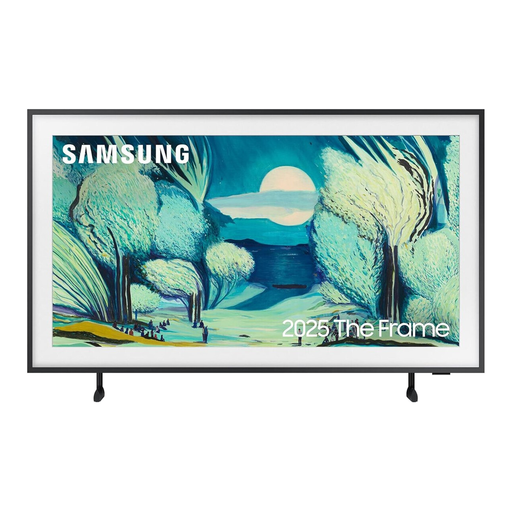
Samsung The Frame QE43LS03FAU 43-inch 4K TV
Consider this 43-inch screen if fitting a TV into the bedroom layout is a priority.
The product name specifies 4K resolution. Assess reflections at your intended position and confirm the streaming apps you use before buying.
View on Joybuy
 No image available
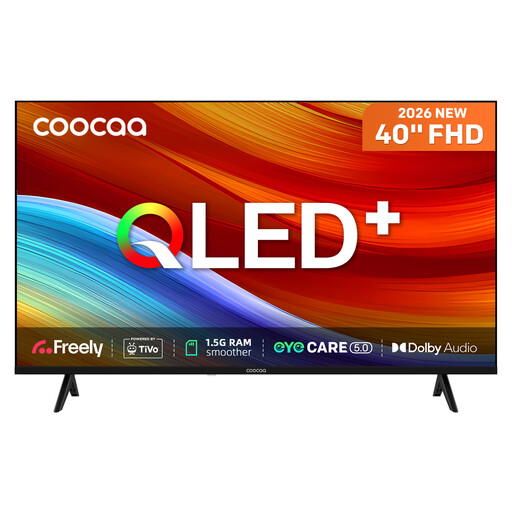
Coocaa 40CTQH38ZUK 40-inch Full HD TV
The 40-inch size is worth considering when a 42–43-inch TV would be awkward to place.
The product name specifies Full HD rather than 4K, Direct LED, HDR10 and TiVo. Confirm that its apps and audio connections meet your documentary-viewing needs.
View on Joybuy
 No image available
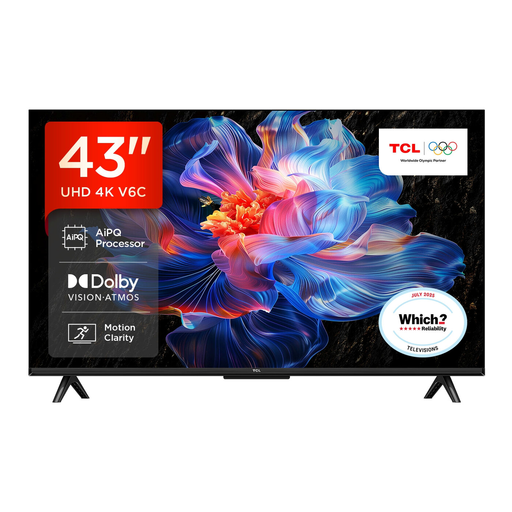
TCL V6C 43V6C 43-inch 4K Google TV
This is another compact 4K route if Google TV is among your platform preferences.
The product name specifies Direct LED backlighting and Dolby Atmos. Measure the available space and check reflections and sound on the exact model; its named 120Hz Game Accelerator is qualified as Full HD, not 4K.
View on Joybuy
Common questions
Do I need a TV Licence to watch documentaries in my bedroom?
In the UK, TV Licensing says you need TV Licence coverage to watch live TV on any channel or service, or to use BBC iPlayer, on any device. Watching only on-demand programmes through other services does not, by itself, require a TV Licence.
Is OLED or Mini LED the better fit for a bedroom?
OLED is a sensible starting point for mainly lights-low viewing when deep blacks matter; compare Mini LED when daylight and reflections are the stronger concern. Neither display label guarantees the result on a particular model, so assess the screen in conditions relevant to your room.
Should I choose a 42–43-inch TV or a larger screen?
Start with the space available and your usual viewing position, not the diagonal measurement alone. The 42–43-inch examples offer a more compact route; consider 50–55 inches only if the furniture or wall position accommodates the TV and its stand or mount.
Are built-in speakers enough for documentary narration?
They may be, but speaker output alone cannot establish dialogue clarity at your preferred volume. Panasonic UK & Ireland lists 60 W output for the 42-inch Z90B; an independent assessment and a check of your preferred headphone or soundbar connection will help you judge the exact TV.
What should I confirm before ordering a bedroom TV?
Confirm the exact model and dimensions, delivery access, mounting arrangements, audio connections and availability of the apps you use. Check the seller’s stated warranty and change-of-mind return terms separately, as these can vary by seller and purchase.


