Close-range wildlife viewers
If you watch from a bed or chair at a fixed, short distance, establish a suitable screen size before comparing picture features. Which? advises measuring from your viewing position to the TV location.


Measure from your usual viewing position to the proposed screen location before choosing a size; a TV that fits the furniture may still feel too large from the bed. If a 42- or 43-inch screen suits that distance, compare the exact models’ HDR formats, streaming platforms and headphone connections rather than assuming OLED, QLED or 4K labels settle the choice.
If you watch from a bed or chair at a fixed, short distance, establish a suitable screen size before comparing picture features. Which? advises measuring from your viewing position to the TV location.
If you are considering a compact OLED TV for wildlife programmes, check the formats and installation dimensions of the precise model. LG and Panasonic list different model-specific features for their 42-inch OLED TVs.
If someone else may be sleeping, check whether the TV offers an audio connection that works with your headphones. Panasonic lists both Bluetooth audio output and a headphone output for its TV-42Z90B.
Settle the viewing distance and furniture fit first. Then compare picture formats for the programmes you watch and audio connections for the way you use the bedroom.
| Concern | What to check | Who this matters to |
|---|---|---|
| Screen size and placement | Measure the viewing distance; check the TV’s width, stand depth or wall-mount fit. | If the screen will be close to my bed, I need it to fit both the viewing position and the furniture. Around 42% of consumers put size and placement first. |
| Picture detail and HDR | Compare the exact model’s panel type and HDR formats with the formats available from your viewing source. | Once the size works, I want to choose picture features relevant to the wildlife programmes I watch. Picture features are the primary concern for roughly 33% of consumers. |
| Quiet viewing and everyday use | Check headphone audio output and your preferred streaming platform; compare the energy label and product information sheet. | When I watch late at night, I need a listening arrangement that will not disturb someone else. About 25% of consumers primarily focus on quiet viewing and everyday-use checks. |
A TV can fit against a wall yet be poorly matched to the distance from the bed or chair.
Measure from your usual viewing position to the planned screen location, then check a size guide and the TV’s full dimensions, including its stand.
OLED, QLED and 4K do not identify which HDR formats, streaming platform or audio connections a particular model offers.
Compare the exact UK model numbers and the features you need for your programmes and devices.
A TV’s Bluetooth functions may not include audio output to your headphones.
Check for compatible Bluetooth audio output or a suitable wired headphone connection on the exact model.
If you choose a TV without a connection that works for your headphones, using them may require an additional adapter or a different pair.
Buying a TV and being covered for the programmes you intend to watch are separate matters. Energy information also helps you compare models before choosing.
Check TV Licensing’s rules for live TV and BBC iPlayer, and compare the UK energy label and product information sheet for the TVs on your shortlist.
LG’s UK OLED42C44LA is a 42-inch 4K OLED option for a bedroom that suits this screen size.
Panasonic’s TV-42Z90B is a 42-inch 4K OLED model to consider when HDR formats and late-night audio connections matter.
TCL’s UK 43T6C-UK provides a 43-inch QLED example for comparing 4K HDR features and a Fire TV interface.
Samsung’s UK support material identifies a 48-inch S90D OLED variant for shoppers considering a larger screen.
These 40- to 43-inch TVs offer LED, QLED and OLED options for a bedroom wildlife-viewing setup. Measure your viewing position and furniture before choosing; check the exact model’s audio connections if you plan to use headphones.
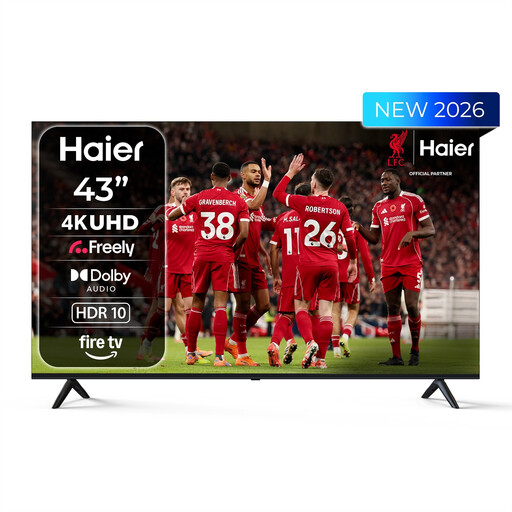 No image available
Consider this model if your measured bedroom setup suits a 43-inch screen and you want Fire TV and Freely. Its name lists HDR10 and Dolby Audio; check its stand dimensions and headphone connections for your setup.
 No image available
This is a 43-inch option if Google TV suits how you access wildlife programmes. The name lists 4K HDR and Dolby Atmos; confirm the exact HDR formats, furniture fit and headphone connection you need.
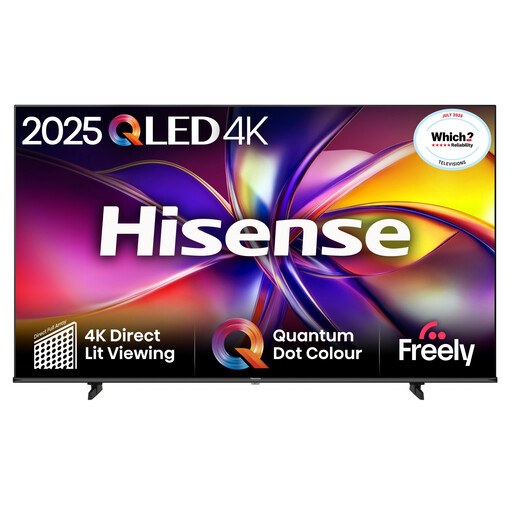 No image available
If a 43-inch screen fits your viewing position, compare this VIDAA TV with the streaming services you use. Its name lists Dolby Vision and Dolby Atmos; check stand size and late-night audio options separately.
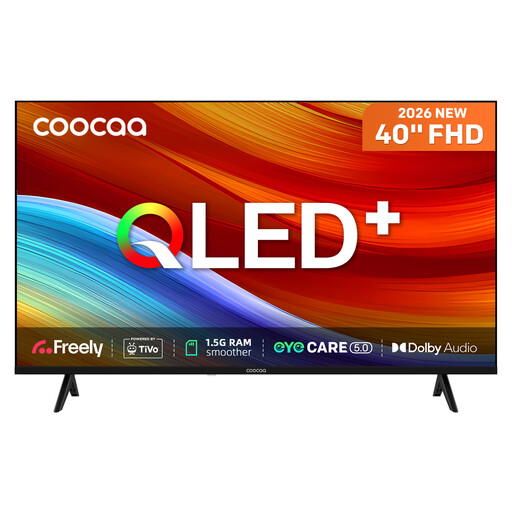 No image available
Consider the 40-inch size if it suits your measured viewing distance and furniture. This TiVo TV lists HDR10, Freely and Full HD rather than 4K; check its audio connections if you watch with headphones.
 No image available
This is a 42-inch OLED choice if that size fits your bedroom and you want Google TV. The name lists Dolby Vision and Dolby Atmos; check the stand dimensions and headphone connection before deciding.
Start by measuring from where you normally watch to the proposed screen position. Which? recommends using viewing distance when choosing a TV size; also check the set’s full dimensions and the clearance around your furniture.
TV Licensing says you need to be covered by a TV Licence to watch live TV or programmes on BBC iPlayer, including on-demand programmes there. Check the rules against the particular service and way you intend to watch; the TV’s location in a bedroom does not settle the question.
Yes, if the exact TV has an audio output compatible with your headphones. Panasonic lists Bluetooth A2DP audio output and a switchable headphone output for the TV-42Z90B, but another TV’s Bluetooth feature may serve a different purpose.
Yes. UK government energy-labelling guidance covers electronic displays, including televisions; compare the energy labels and product information sheets for the specific models you are considering rather than assuming similar screen sizes use the same amount of electricity.