Fast-routine detail watchers
If turns, jumps and camera pans are what you struggle to follow, compare native panel refresh rates separately from motion-processing names. Check whether you can adjust the processing to suit the programmes you watch.


Choose a TV that fits the view from your bed, then compare its native refresh rate and motion settings for fast choreography. A 42-inch OLED model is worth considering if you usually watch in a dim room and prioritise dark-stage contrast; a 43-inch model with a glare-reducing screen is more relevant when windows or lamps reflect on the TV. Neither feature settles the choice without checking the exact model and your room.
If turns, jumps and camera pans are what you struggle to follow, compare native panel refresh rates separately from motion-processing names. Check whether you can adjust the processing to suit the programmes you watch.
If you usually watch with the lights low, separation between performers, costumes and dark stage backgrounds may matter more to you than a glare-reduction feature. Consider contrast claims for the exact TV, not for an entire brand.
If the screen will sit on a narrow unit or close to the bed, measure from your usual viewing position and check the TV’s width, stand depth and mounting pattern before settling on a panel type.
For a bedroom dance-competition TV, room lighting helps narrow the display choice; screen fit and motion controls still need checking on the exact model.
Consider it: If dark-stage contrast is your priority, LG describes the OLED42C54LA’s self-lit pixels as producing true black levels.
Keep in mind: That is LG’s claim for this model, not a measure of how your dance broadcast will look; check the fit and motion settings separately.
Consider it: If a window or bedside lamp faces the screen, Samsung describes the QE43QN90FATXXU as having a Glare Free treatment.
Keep in mind: Reflections depend on placement and time of day; Samsung’s model-specific feature cannot predict the result in your bedroom.
| Concern | What to check | Who this matters to |
|---|---|---|
| Fast movement | Compare the exact model’s native panel refresh rate with its separate motion-processing features; check whether the settings are adjustable. | If I want to follow quick turns and camera pans, I need motion that looks clear without unwanted smoothing. Around 31% of consumers put this need first. |
| Dark-room picture | Consider the room’s usual lighting and compare contrast claims for the exact model, rather than assuming all TVs in a range behave alike. | When I watch after dark, I want performers and costumes to remain distinct against the stage background; this is the primary concern for around 23% of consumers. |
| Bedroom fit | Measure from your usual viewing position and compare the TV’s width and stand depth with the intended space; check the mounting pattern if needed. | With a narrow unit or little space between bed and screen, I need a set that fits the room comfortably. Around 23% of consumers prioritise physical fit. |
| Reflections | Note where windows and lamps face the screen, then check any glare-reduction feature on the exact model. | If daylight or a lamp reflects in the picture, I need to address that before weighing dark-room contrast; glare is the leading concern for around 23% of consumers. |
A TV can crowd a narrow unit or sit uncomfortably close to the bed even when its picture suits you.
Measure from your normal viewing position to the proposed screen location. Compare the exact set’s dimensions, including its stand if you will use one, and confirm the mounting pattern if it will go on a wall.
Motion processing and native panel refresh are different specifications. Sony distinguishes the panel’s native frequency from its Motionflow processing methods.
Check both specifications for the exact TV and, where possible, try its adjustable motion settings with familiar fast-moving content.
A window or lamp facing the screen can disrupt daytime viewing regardless of the display technology.
Check the screen angle at the times you normally watch. If you cannot move the TV or control the light, compare glare-reduction claims for specific models rather than assuming they apply across a range.
A bedroom screen does not remove the licensing requirement for live TV or BBC iPlayer viewing in the UK.
GOV.UK says a TV Licence is needed to watch or record live TV on any channel or service, or to use BBC iPlayer. If you plan to watch dance competitions that way, check whether your viewing is covered before setting up the TV.
The 42-inch OLED evo AI C5 OLED42C54LA is a reference point for viewers considering OLED in a bedroom with controlled lighting.
The 43-inch QE43QN90FATXXU is a reference point when reflections and motion features both influence the choice.
The 43-inch BRAVIA 3 II K-43XR35M2 gives buyers published specifications to check for placement and connections.
These 43-inch TVs offer starting points for a bedroom setup. Compare their listed features with your viewing position, room lighting and preferred way of watching dance competitions; the researched OLED and Mini LED models above are separate model-specific references.
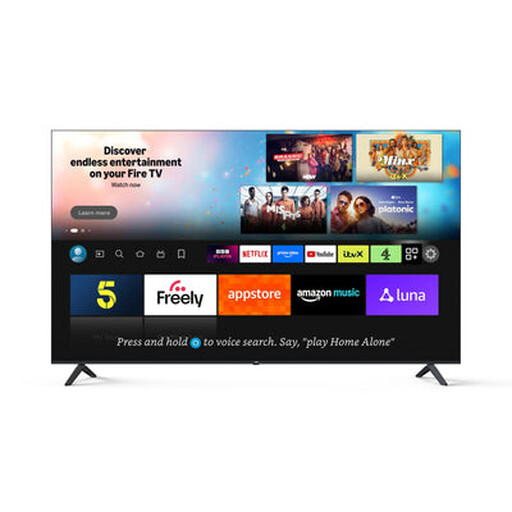 No image available
Consider this model if you want a 43-inch screen and plan to compare motion settings before watching fast routines.
The product name lists Freely, Fire TV and HDR10+. Confirm the set’s full dimensions and stand depth against your bedroom furniture.
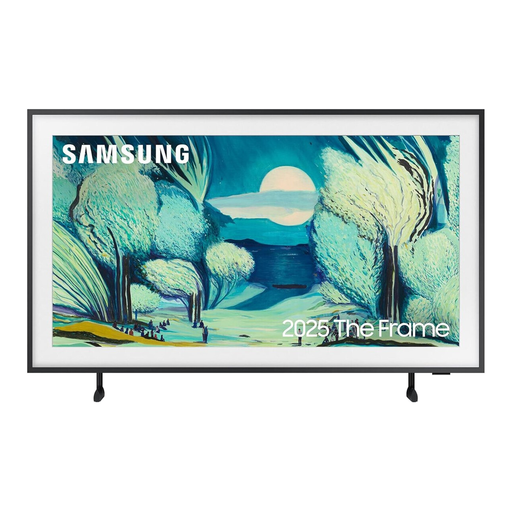 No image available
If the screen will face a window or lamp, assess reflections in its intended position before choosing this model.
The product name specifies Wi-Fi and a one-year warranty. Check the exact dimensions and motion controls for your setup.
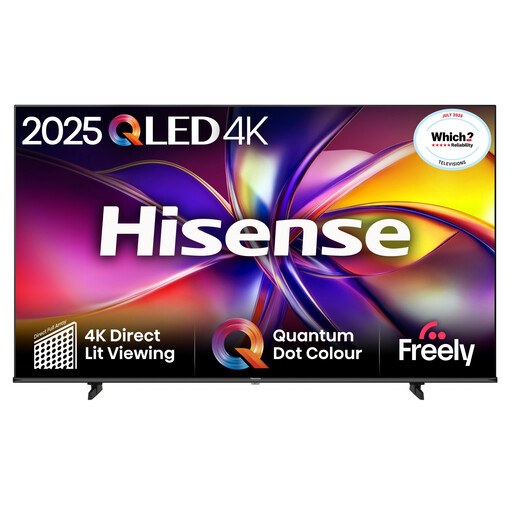 No image available
This is a 43-inch option to consider if you want to assess motion controls with your usual dance broadcasts.
The product name lists VIDAA and AI Smooth Motion; that feature name does not establish how fast choreography will appear. Confirm the dimensions and mounting details for your room.
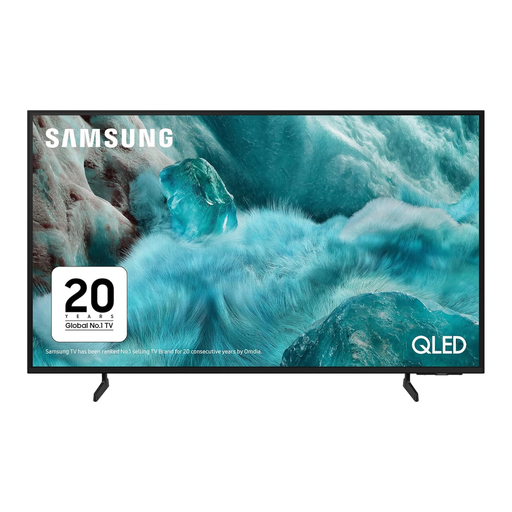 No image available
Consider this 43-inch set if its physical fit and picture controls suit your bedroom viewing position.
The product name specifies Wi-Fi and a one-year warranty. Check the native panel refresh rate separately from any motion-processing label.
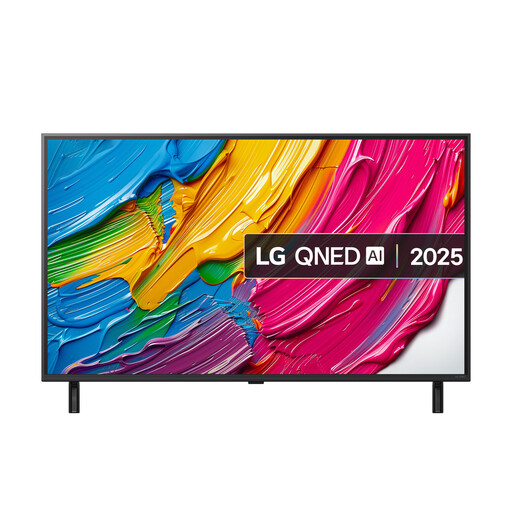 No image available
This 43-inch model gives you another screen to assess against the space available and the lighting where you watch.
The product name lists webOS, VRR, ALLM and eARC. Check its picture and motion settings with the type of programme you normally view.
Not necessarily: a 120Hz native panel is one specification to compare, not proof that a particular broadcast will look clearer. Sony lists a 120Hz panel for the K-43XR35M2; check each TV’s motion settings and, where possible, assess them with the content you watch.
Measure from your usual position on the bed or chair to the proposed screen location, then check the TV’s actual width and stand depth against the available space. TCL UK’s size guidance recommends measuring from where your eyes normally are, rather than choosing by screen size alone.
In the UK, GOV.UK says you need a TV Licence to watch or record live TV on any channel or service, or to use BBC iPlayer. Check whether your viewing is covered if the competition is live or you plan to use BBC iPlayer.
Watching on-demand video other than BBC iPlayer does not, by itself, meet the viewing conditions listed by GOV.UK. A licence is still needed if you also watch or record live TV on any channel or service, or use BBC iPlayer.
Check the exact model’s mounting pattern and dimensions against the proposed mount and wall location. For example, Sony lists a 20 × 20 cm VESA pattern for the K-43XR35M2; do not assume another 43-inch TV uses the same pattern.