
24/7 Customer Support

Free returns

Same-day & Next-day Delivery

Quality Guaranteed

Unlock Your Welcome Offers: FREE Delivery | Up to 80% OFF | Free 30-day JoyPlus trial
Download the APP
Welcoming a newborn into your home is a time of immense joy, but it also brings a long list of preparations. One of the most important decisions is where your baby will sleep. For many new parents, a bedside crib offers a reassuring solution, keeping your little one close for night-time feeds and comfort while providing them with their own safe sleeping space.
This guide is designed to help you navigate the options available. We will walk through key features to consider when choosing a bedside crib, offer some practical selection advice and present a few recommendations to help you find a suitable fit for your family's needs.
Choosing the right newborn crib involves more than just aesthetics. Functionality, safety and convenience are paramount. Here are a few key points to consider during your search.
Safety is the number one priority. In the UK, look for cribs that comply with the British safety standard BS EN 1130:2019. This standard ensures the crib is stable, durable and free from hazards. A key feature to look for is breathable mesh sides. These not only allow you to see your baby from your bed but also promote air circulation, which is crucial for maintaining a comfortable and safe sleeping environment.
A good co-sleeper crib should align perfectly with your own bed. Look for an adjustable height baby crib with multiple settings to ensure there is no gap between the two mattresses. Another practical feature is a drop side crib mechanism. Modern designs allow one side to be lowered easily, providing convenient access for feeding or soothing your baby, which can be particularly helpful for mothers recovering from a C-section. Always ensure the side locks securely back into its upright position.
Your baby’s sleeping needs aren't confined to the bedroom. A portable bedside crib or travel bassinet can be a valuable asset, allowing you to move it around the house for daytime naps or take it with you on visits to family. Some models also offer additional features, such as a rocking crib function to help soothe a fussy baby back to sleep or the ability to convert into a standalone bassinet.
Based on features that prioritise safety, convenience and comfort, here are a few options that stand out.
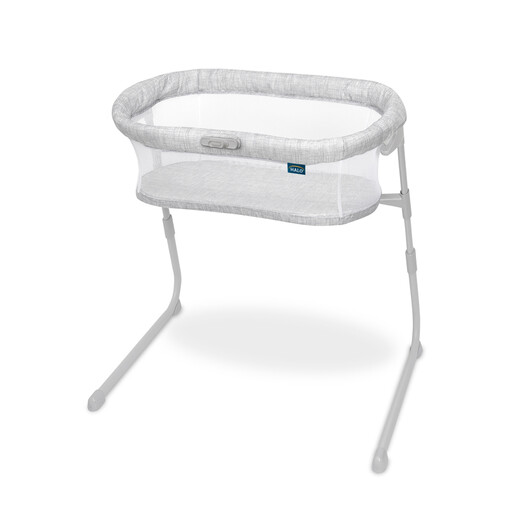
Why It Stands Out The HALO BassiNest FLEX is designed with portability and accessibility in mind. Weighing just 6kg, it's light enough to move between rooms or pack into the included carry bag for travel. Its standout feature is the easy-lowering bedside wall, which allows parents to access their baby with a simple press, a significant benefit for post-C-section recovery.
Pros
Who is it for? This side sleeper bassinet is a strong candidate for families who travel frequently or want a flexible, lightweight sleeping solution that can be easily moved. It's also particularly suited for mothers recovering from a bassinet for C-section.
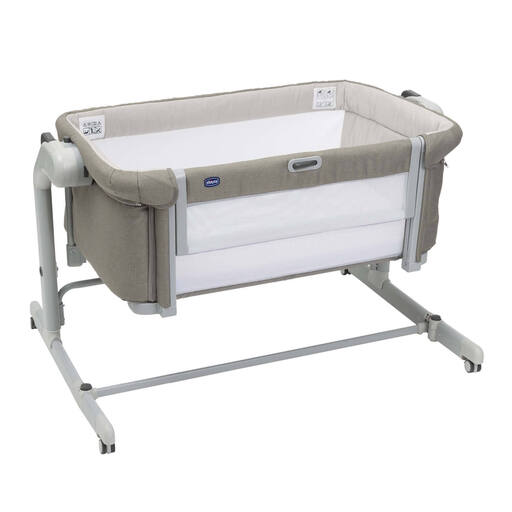
Why It Stands Out The Chicco Next2Me Magic Evo is a popular next to me crib known for its user-friendly features. The one-hand sliding side panel can be operated with a single button, making night-time access incredibly simple, even while lying down. When used as a standalone crib, it offers a gentle rocking mode to help soothe your baby to sleep.
Pros
Who is it for? Parents looking for a robust, feature-rich crib that combines the security of a co-sleeper with the soothing motion of a rocker will find this model appealing. Its ease of use is a major plus for tired parents during late-night awakenings.
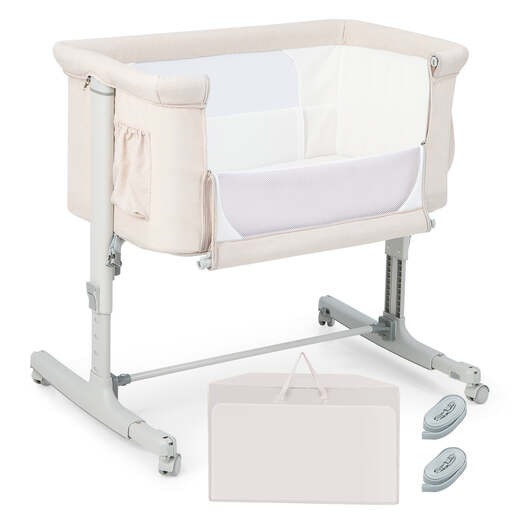
Why It Stands Out This 3-in-1 bassinet offers impressive versatility, functioning as a bedside sleeper, a standalone bassinet and a swing cradle. It features an adjustable tilt angle, which can help reduce the risk of milk spit-up after feeding. The one-click folding mechanism and included carry bag make it a practical choice for storage and travel.
Pros
Who is it for? This is a great option for parents who value multi-functionality and practicality. Its ability to switch between a static sleeper and a rocking cradle, combined with its travel-friendly features, makes it a versatile choice for modern family life.
A bedside crib is an excellent choice for the first six months, but every family's needs are different. If you're exploring longer-term solutions or different styles, you may want to consider other sleeping options.
For a wider selection of sleeping solutions for your little one, including cot beds that will last well into the toddler years, feel free to explore our full nursery cot bed category.
1. How long can a baby use a bedside crib? Most bedside cribs are designed for newborns from birth up to approximately 6 months of age, or until the baby weighs 9 kg (around 20 lbs). It is important to stop using the crib once your baby can sit up, kneel or pull themselves up unaided, as per safety guidelines.
2. Are co-sleeper cribs safe? Yes, when used correctly. A safe co-sleeper crib will meet current UK safety standards (BS EN 1130:2019). It's crucial to follow the manufacturer's instructions for assembly and secure attachment to the adult bed, ensuring there are no gaps where a baby could become trapped. Never add extra pillows, soft toys or loose bedding to the crib.
3. What is the difference between a bedside crib and a Moses basket? A bedside crib is specifically designed to be placed next to an adult bed, often with a drop-down side for easy access. They are typically larger and more stationary than a Moses basket. A Moses basket is a smaller, more portable sleeping basket with handles, which can be placed on the floor or on a stand, but it does not attach to the bed.