
24/7 Customer Support

Free returns

Same-day & Next-day Delivery

Quality Guaranteed
Download the APP
Categories
Welcoming a newborn into your home is a time of immense joy, but it also brings a new set of challenges, especially when it comes to sleep. As a new parent, you want to keep your baby close for comfort, feeding and peace of mind, but ensuring their safety is paramount. A bedside crib offers a practical solution, allowing your little one to have their own secure space right next to you.
Navigating the market can be overwhelming, with countless models and features to consider. As a Joybuy Product Recommendation Officer, my role is to help you understand the key considerations and highlight some standout options, making your decision-making process a little clearer. This guide will walk you through what to look for and present a few recommendations to suit different needs and preferences.
Before diving into specific products, it's helpful to know what features matter most. Focusing on these key areas will ensure you select a safe and functional sleeping solution for your baby.
Safety is non-negotiable. In the UK, look for cribs that comply with the latest safety standard, BS EN 1130:2019. This standard ensures the crib is stable, durable and free from hazards. A crucial feature of any newborn bassinet is breathability. Models with mesh sides offer excellent air circulation and allow you to see your baby clearly, providing reassurance without having to get out of bed. Always ensure the mattress provided is firm, flat and fits the crib perfectly with no gaps.
A key function of a co-sleeper crib is its ability to sit flush against your bed. An adjustable bedside sleeper with multiple height settings is essential to align the crib mattress perfectly with your own, preventing any dangerous gaps. Check the attachment mechanism; it should be robust and easy to use, securing the crib firmly to your bed frame so it cannot move or tip.
Consider your lifestyle. Do you need a crib that can be easily moved between rooms for daytime naps? Some models double as a portable travel cot, complete with a carry bag. Other popular features include a rocking bassinet function, which can be a lifesaver for soothing a fussy baby back to sleep. Think about which additional features will genuinely make your life easier during those first few months.
Based on these criteria, here are a few recommendations that cater to different parental needs.
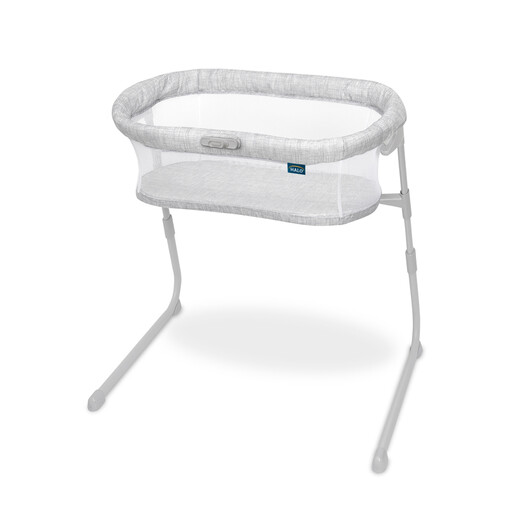
Why It Stands Out: The HALO BassiNest FLEX is designed with both convenience and portability in mind. Its standout feature is the easy-lowering bedside wall, which allows you to access your baby with a simple push. This is particularly helpful for mothers recovering from a C-section, as it minimises bending and twisting. Its lightweight frame and included carry bag make it an excellent choice for families on the go.
Pros:
Who is it for?: Parents who prioritise portability for travel or family visits, or those who want the flexibility to move their baby's sleep space during the day. It's also an excellent option for mothers seeking easier access to their baby post-delivery.
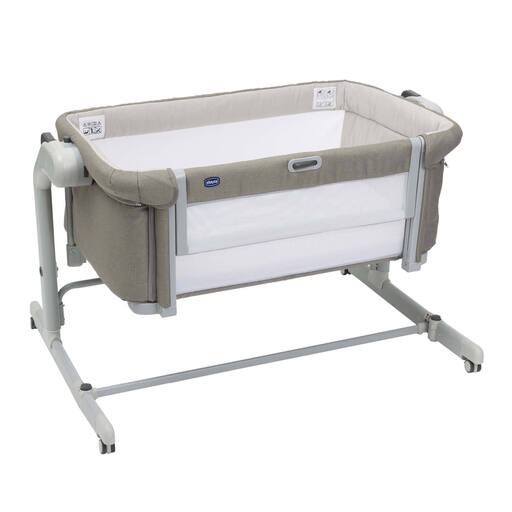
Why It Stands Out: The Chicco Next2Me Magic Evo is a classic next to me crib packed with user-friendly features. The one-hand opening system allows you to lower the side panel effortlessly, even while the crib is attached to the bed. When used as a standalone crib, it offers a gentle rocking mode to help soothe your baby. With 11 height levels and retractable feet, it's highly adaptable to almost any bed frame.
Pros:
Who is it for?: Parents looking for maximum convenience for nighttime feeding and comforting. Its high degree of adjustability makes it a reliable choice for those with divan beds or unconventional bed frames.
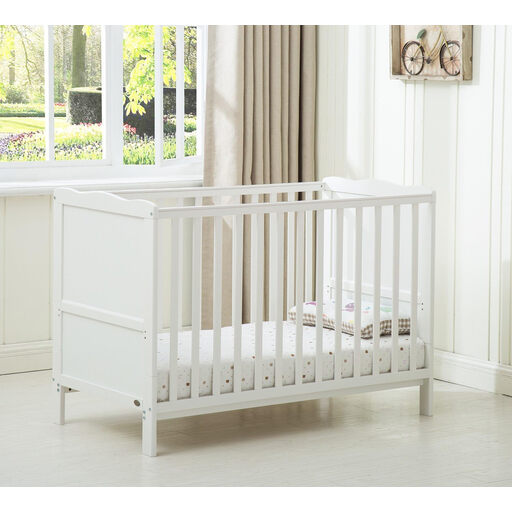
Why It Stands Out: While not a traditional bedside crib, this option from mcc direct offers a fantastic long-term investment. It functions as a secure baby cot and later converts into a toddler bed, growing with your child. Crafted from sustainably sourced solid wood and finished with baby-safe paint, it provides a durable and timeless centrepiece for the nursery. The included Premier mattress with an Aloe Vera-infused cover adds a touch of luxury and comfort.
Pros:
Who is it for?: Parents who prefer a long-lasting, traditional furniture piece over a temporary sleeping solution. It's ideal for those planning the nursery with an eye on the future, offering value well beyond the first six months.
Every family's needs are unique, and one of these picks might not be the perfect match for you. If you're interested in exploring a wider variety of sleeping solutions, from different styles of co-sleepers to traditional cots and cot beds, we invite you to browse our full collection.
Explore our complete range of baby cots here
1. How long can a baby sleep in a bedside crib? Most bedside cribs are suitable from birth up to approximately six months, or a maximum weight of 9kg. You should stop using the crib as soon as your baby shows signs of being able to sit up, kneel or pull themselves up. Always refer to the specific manufacturer's guidelines for your model.
2. Are co-sleeper cribs safe? When used correctly, bedside co-sleeper cribs are designed to provide a safe sleeping environment. It is crucial to ensure there is no gap between the crib and the adult mattress by securing it tightly with the provided straps. Always choose a model that meets UK safety standards like BS EN 1130:2019 and follow the assembly instructions carefully. Never add soft bedding like pillows, bumpers or loose blankets into the crib.
3. What is the difference between a bedside crib and a Moses basket? A bedside crib is specifically designed to be used next to an adult bed, featuring an adjustable height and often a drop-down side for easy access. A Moses basket is a smaller, more traditional bassinet with handles, designed for portability for daytime naps around the house. It is not intended to be attached to a bed for co-sleeping.