Students working with paper diagrams in tight spaces
If notes and diagram sheets share a small bedside surface, look for a lamp you can aim at the paper without letting its base crowd your work.


For studying paper diagrams beside a bed, choose a lamp you can position over the page and dim when full brightness is unnecessary. A compact adjustable lamp suits a usable bedside surface, while a clip-on lamp needs a secure attachment point and a rechargeable lamp makes more sense if you move it regularly; a monitor light bar requires a compatible monitor at the study position.
If notes and diagram sheets share a small bedside surface, look for a lamp you can aim at the paper without letting its base crowd your work.
A dimmable, aimable task lamp lets you keep light on the page rather than relying on a decorative lamp to illuminate the whole area.
A monitor light bar is worth considering only when you study beside a suitable monitor and its stated lighting area reaches your paper.
Start with where the lamp can sit or attach, then check whether its light reaches the whole diagram; brightness controls and the power arrangement complete the bedside fit.
| Concern | What to check | Who this matters to |
|---|---|---|
| Diagram coverage | Compare head movement and reach with your paper size. Read any coverage or illuminance figure at its stated distance. | I need to inspect fine lines and colour markings across the sheet, not just a bright patch in one corner; around 36% of consumers put diagram coverage first. |
| Position and shadows | Measure base space or the proposed clamp point, then check whether the head can reach past your writing hand. | When books fill the bedside table, I need somewhere stable to put the lamp without casting my own shadow; roughly 29% of consumers prioritise positioning. |
| Evening control | Confirm that the model dims and can direct light onto the page. Do not assume an LED lamp also changes colour temperature. | If someone else is sleeping nearby, I want to lower and aim the light while I read; about 21% of consumers make low-disturbance control their main concern. |
| Power and portability | Check whether it has a battery or needs continuous USB or mains power, plus the stated charging and runtime conditions. | I move my study materials between places and do not want a lead dictating where the lamp goes; around 14% of consumers put portable power first. |
A bright spot does not tell you whether light will reach the far edge of an A4 or A3 diagram. Coverage and illuminance figures apply at the maker’s stated distance and setup.
Measure your page and likely lamp-to-page distance, then check adjustable reach or stated coverage under comparable conditions.
A USB-powered lamp may still need to remain connected, and dimming does not imply adjustable colour temperature.
Check the exact model’s battery, connector, supplied adaptor and brightness controls before planning where it will sit beside the bed.
A monitor bar needs a suitable screen at the study position; its mounting limits matter even if its stated lighting area looks useful.
Without a monitor, consider a lamp with a compact base or a clip that fits a stable edge. With a monitor, compare its shape and thickness against the bar’s specification.
GOV.UK’s electrical-equipment guidance says some provisions apply differently in Northern Ireland under the Windsor Framework.
If the lamp is being supplied in Northern Ireland, check the requirements for that destination rather than relying on Great Britain marking guidance alone.
Its 90 Mini Mini is a compact articulated option to examine when a bedside table can accommodate a lamp base.
Its ScreenBar Halo is relevant when paper diagrams sit alongside a desktop monitor, not when there is no monitor at the bedside study position.
The Twist 2 is a task-light option to examine when adjustable output, glare control and colour distinction matter for paper work.
These Joybuy choices cover a folding rechargeable lamp, a clip-on lamp, a portable bedside lamp and an adjustable desk lamp. Compare their placement and power requirements against your paper area before choosing.
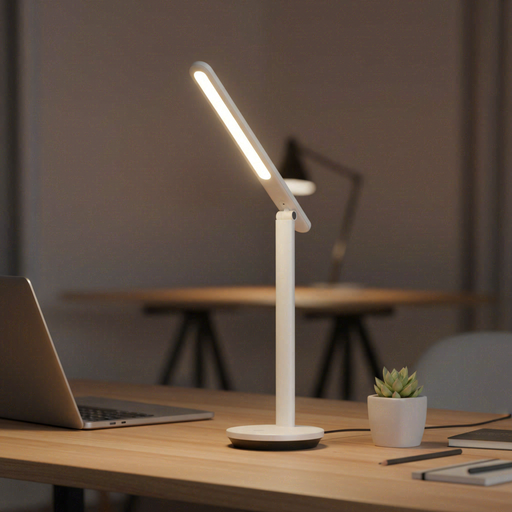 No image available
Consider this folding lamp if you move your study setup and want to adjust the light for different sessions.
The product name identifies rechargeable operation and adjustable brightness. Check whether its reach covers your diagram and whether its runtime suits an unplugged session.
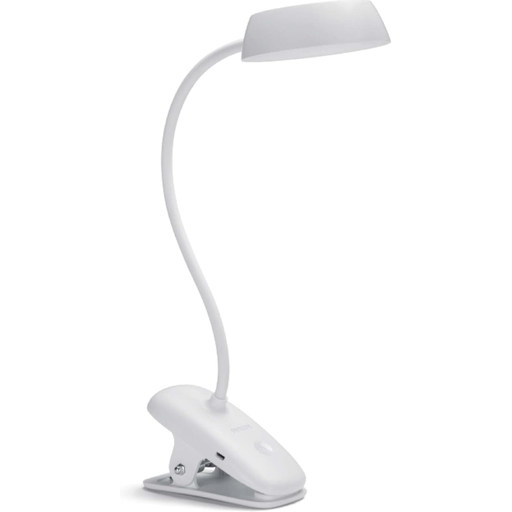 No image available
The clip format is worth considering when a lamp base would crowd the bedside table, provided there is a secure edge nearby.
The product name specifies USB rechargeable operation and 3W. Check the clamp opening and attachment stability on your intended surface, as well as the battery runtime.
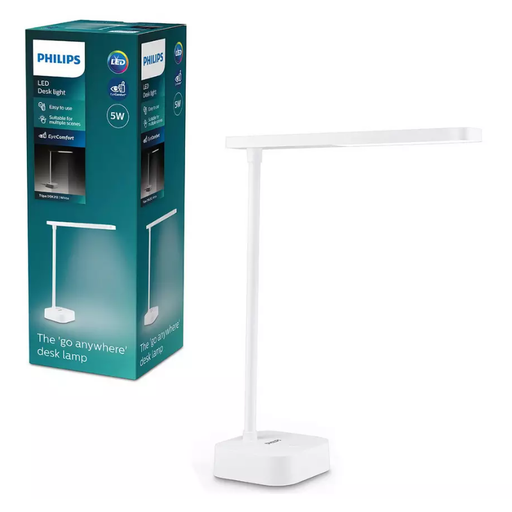 No image available
This portable table-lamp format suits a bedside position if its light can reach the paper from the space you have available.
The product name specifies three brightness settings and 18W. Check page coverage, runtime and output away from charging before relying on it for diagram study.
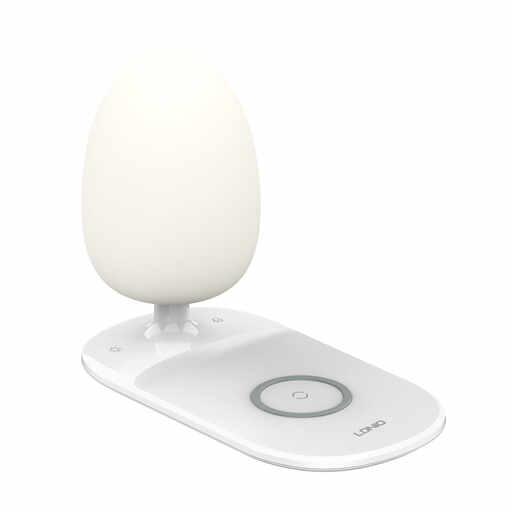 No image available
Consider this desk-lamp format when you have room for a base and need to position light over paper.
The product name includes USB-C Charging and the 1M variant. Check its base size, reach and required power source; the name alone does not establish whether the lamp operates on a battery.
Check where the lamp can sit or attach and whether you can aim it across the paper. Then compare its brightness controls and power arrangement with the way you study; if colour distinctions matter, look for a stated colour rendering index (CRI) without treating that figure as a guarantee of suitable coverage.
A rechargeable lamp suits a setup that moves or has inconvenient cable access, but it also needs charging. Check the particular model’s runtime and light output away from a power source rather than assuming they match its plugged-in operation.
It can be considered when the paper is beside a compatible monitor and falls within the bar’s stated lighting area. BenQ specifies a 63 cm × 40 cm area at 500 lux for ScreenBar Halo under its stated setup; that does not make a monitor bar a substitute for a bedside lamp where there is no monitor.
Check guidance specific to Northern Ireland rather than applying a Great Britain marking conclusion automatically. GOV.UK notes that some electrical-equipment provisions apply differently in Northern Ireland under the Windsor Framework.
No; that wording alone does not establish how the lamp will work for your diagrams. Check whether you can position and dim it, how it handles glare and whether its power setup fits your bedside space.