Evening black-tea drinkers
If you want a cup closer to your usual tea, including the option of adding milk, compare decaf black-tea bags. Do not assume an ordinary black-tea blend has the same caffeine profile.


Choose decaf black tea if you want a bedtime cup closer to your usual tea, particularly if you take it with milk. If avoiding caffeine is the priority, look for a blend explicitly labelled naturally caffeine-free; with herbal blends, check the ingredients as well as the flavour, especially if you take medicines or have a reason to seek individual advice.
If you want a cup closer to your usual tea, including the option of adding milk, compare decaf black-tea bags. Do not assume an ordinary black-tea blend has the same caffeine profile.
If avoiding caffeine matters more than retaining black-tea flavour, look for an explicit naturally caffeine-free declaration. Then compare the fruit, floral, spice and herbal ingredients.
If you take medicines, are pregnant or breastfeeding, or have kidney or liver problems, check botanical ingredients with a pharmacist or other appropriate healthcare professional before choosing a herbal blend. NHS guidance notes that herbal products are not suitable for everybody.
Start with the caffeine wording, then decide whether you want black-tea character or a botanical flavour before checking the exact blend.
| Priority | What to check | Your needs |
|---|---|---|
| Caffeine | Read whether the pack says decaffeinated or naturally caffeine-free. For a strict caffeine limit, check the declaration for the exact product rather than treating the terms as interchangeable. | I want to reduce caffeine but keep a familiar tea, or avoid it and choose an explicitly naturally caffeine-free infusion. NHS Every Mind Matters notes that caffeine in tea can make you feel more awake. |
| Flavour | Check for a black-tea base or an ingredient list led by fruit, flowers, herbs or spices. Yorkshire Tea describes Bedtime Brew as decaffeinated tea blended with lemon balm, lemongrass, nutmeg and vanilla. | A cup with milk still appeals to me, or I would rather try a distinctly botanical drink. |
| Botanicals | Read the full list for ingredients such as camomile, passionflower or valerian; blends with similar bedtime names can have different formulas. Check individual suitability when medicines or relevant health circumstances are involved. | I want to know what is in the particular tea bag before making it part of my evening routine. |
Bedtime options include both decaffeinated black tea and naturally caffeine-free herbal infusions. The distinction matters if avoiding caffeine is your reason for switching.
Check the pack’s caffeine wording and ingredient list. Choose an explicitly naturally caffeine-free infusion when that declaration is essential to your choice.
Yorkshire Tea’s Bedtime Brew contains decaffeinated tea and added botanicals, while the ingredient lists for herbal blends can include passionflower or valerian. A similar name does not mean a similar formula.
Compare the exact ingredients, and seek individual advice about herbal ingredients if you take medicines, are pregnant or breastfeeding, or have kidney or liver problems.
A bedtime product name is not evidence that a drink treats insomnia. NHS guidance also cautions that herbal products are not suitable for everybody.
Choose tea by its caffeine declaration, ingredients and flavour. Seek medical advice for persistent sleep difficulties rather than relying on a tea blend as treatment.
A decaf black-tea route for shoppers who want a more familiar cup rather than a wholly herbal infusion.
A botanical-infusion option if you want a fruit, floral and spiced profile.
A herbal-infusion route with blends that warrant a close look at their different botanical ingredients.
A decaffeinated black-tea option for an everyday-style evening cup.
These options cover herbal tea bags and a decaffeinated tea choice for an evening drink. Compare each pack’s caffeine wording and ingredients against the type of cup you want.
 No image available
For an evening cup with a botanical rather than conventional black-tea profile, compare this 20-bag pack’s caffeine declaration and ingredients with your requirements.
The “Sleep” name should not be taken as a claim that the tea treats sleep problems.
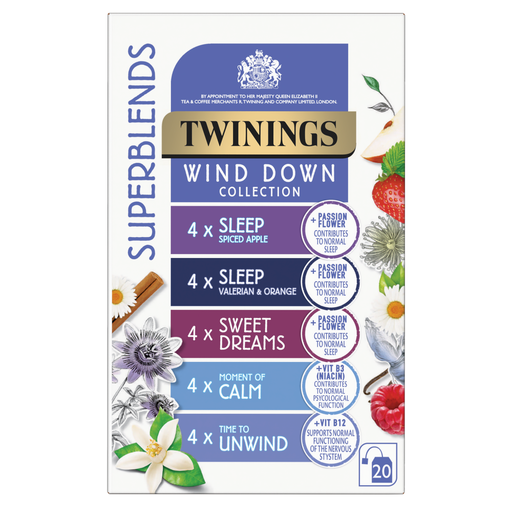 No image available
If you want to compare several evening-style blends in one collection, this pack contains 20 tea bags.
Check the ingredients of each individual blend rather than assuming every bag in the collection has the same botanicals.
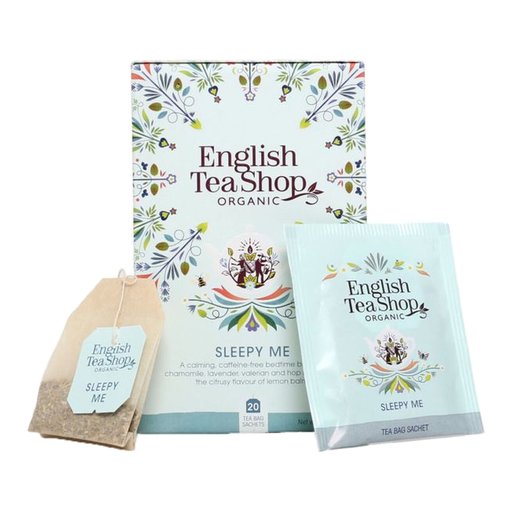 No image available
For a herbal bedtime-style drink, use the ingredient list on this 20-bag pack to decide whether its botanicals suit you.
Check individual suitability with a healthcare professional if you take medicines, are pregnant or breastfeeding, or have kidney or liver problems.
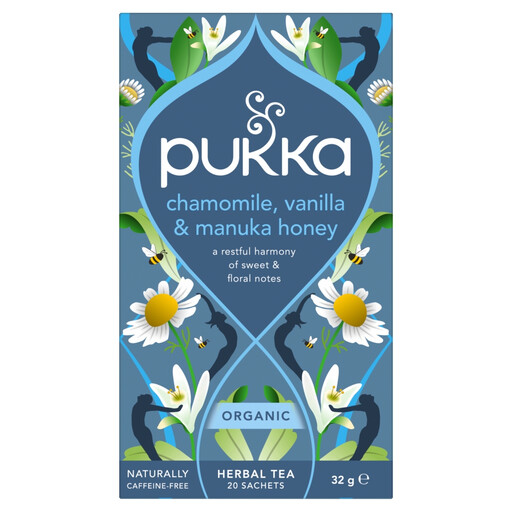 No image available
If a chamomile-led herbal drink appeals more than decaf tea, compare the flavour and full ingredient list of this 20-sachet pack.
Check the pack’s caffeine wording and seek individual advice about ingredients if pregnancy or a health concern makes that necessary.
 No image available
Consider this 80-bag decaf pack if a familiar tea-style evening drink matters more to you than a botanical infusion.
Decaffeinated does not mean naturally caffeine-free; check the product’s caffeine declaration if you need a strict limit.
Yes. NHS Every Mind Matters notes that tea contains caffeine, which can make you feel more awake. If that matters near bedtime, compare a decaf tea with an explicitly naturally caffeine-free herbal infusion.
Decaf black tea retains a black-tea base, making it the route to consider for a more familiar cup; naturally caffeine-free herbal infusions offer a different flavour profile. Check the exact pack wording if avoiding caffeine, rather than merely reducing it, is your priority.
A sleep-oriented name does not establish that a tea treats insomnia. Choose a bedtime drink for its flavour, caffeine declaration and ingredients, and seek medical advice for persistent sleep difficulties.
Ask a pharmacist or other appropriate healthcare professional before choosing a herbal blend if you take medicines, are pregnant or breastfeeding, or have kidney or liver problems. NHS guidance advises caution with herbal products in these circumstances; check the exact ingredients rather than relying on the blend’s name.