
24/7 Customer Support

Free returns

Same-day & Next-day Delivery

Quality Guaranteed

Unlock Your Welcome Offers: FREE Delivery | Up to 80% OFF | Free 30-day JoyPlus trial
Download the APP
Planning a hot pot at home can be simple, but choosing the right beef hot pot ingredients is less straightforward than it appears. Pack sizes, slice thickness, fat content and cooking instructions vary considerably, while attractive descriptions do not always explain how a product will perform in the pot.
For UK households, there are three common buying traps:
Thinly sliced meat is central to Chinese hot pot, Japanese shabu shabu beef and sukiyaki beef. Slices around 1.5mm are generally intended for a brief dip in simmering broth, allowing the surface to change colour quickly while retaining a soft texture.
However, cooking times differ by product. Some listed hot pot slices recommend around 5–10 seconds in simmering broth, while other beef rolls advise cooking until thoroughly done. Always follow the pack instructions rather than relying only on appearance. Products labelled “ready to cook” are not ready to eat raw.
The cut influences the eating experience:
For a balanced table, combine one marbled cut with vegetables, tofu, noodles and lighter seafood items rather than buying several similarly fatty products.
Check whether the product contains only beef or includes salt, pork fat, starch, soy sauce or other seasonings. This matters when comparing plain beef hotpot meat with prepared beef balls for hot pot.
Allergen information is particularly important for mixed products. Beef balls and seafood surimi may contain or may be produced with soya, wheat, eggs, fish, molluscs or mustard. Frozen products should generally be kept at -18°C or below, and many instructions state not to refreeze after defrosting. Keep raw meat separate from ready-to-eat foods and cook all meat products according to the packaging.
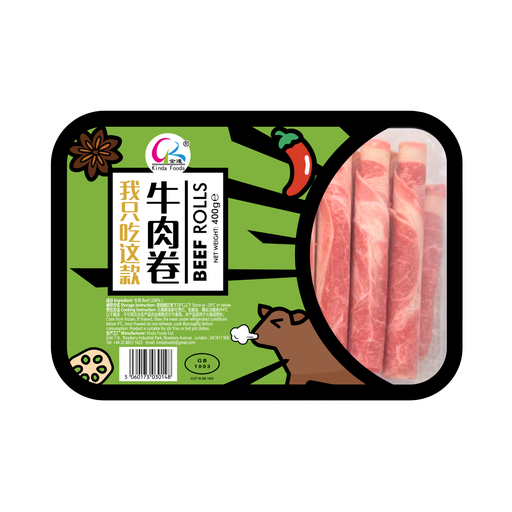
Why This Fits Their Persona: A practical 400g starting pack for students, couples or first-time home hot pot cooks who want dedicated hotpot beef slices without committing to a larger quantity.
The product is machine-sliced for uniform thickness and specifically described for quick blanching, helping avoid uneven cooking caused by irregular cuts.
Beef-only ingredients, no declarable allergens listed and suitability for hot pot, rice bowls, stir-fries and barbecues.
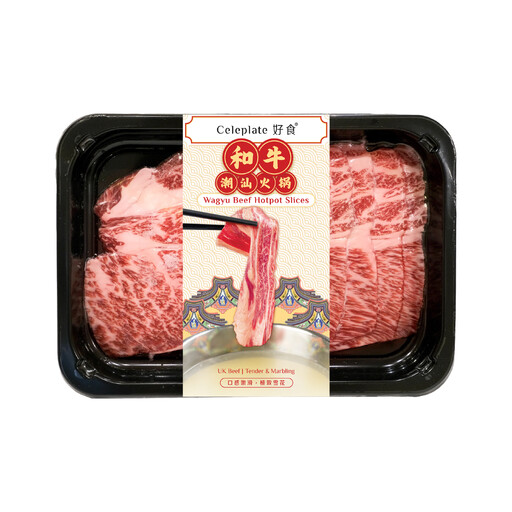
Why This Fits Their Persona: Suitable for shoppers seeking a smaller, marbled portion for sukiyaki, shabu shabu or a special shared meal.
The listing states an approximate 1.5mm slice thickness and gives a 5–10 second dipping guide, making the intended use clear.
UK-sourced Wagyu, visible marbling and a 150g pack suited to portion-controlled serving.

Why This Fits Their Persona: A larger pack for families, gatherings or regular freezer planning, with enough beef rolls to serve alongside vegetables, noodles and tofu.
The pack provides clear cooking guidance, including cooking until the beef changes colour and is fully cooked, rather than implying that a quick dip is always sufficient.
100% beef ingredients, 800g net weight and suitability for hot pot, grilling, stir-frying and rice bowls.
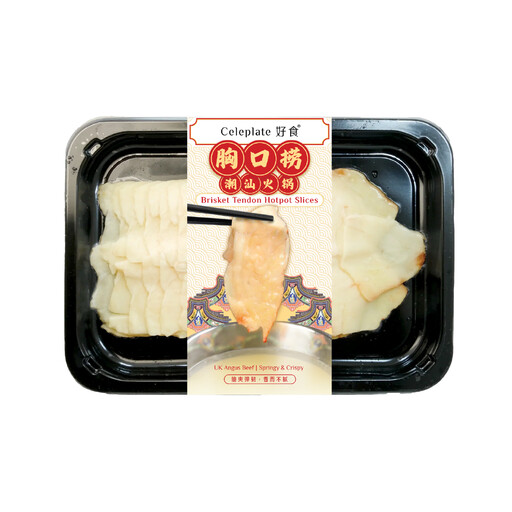
Why This Fits Their Persona: Designed for diners who want something different from standard beef slices, particularly in sukiyaki, shabu shabu or spicy Sichuan broth.
The product is identified specifically as brisket tendon, so shoppers can select its characteristic texture instead of mistaking it for a conventional marbled roll.
Thin slices and a stated 5–8 second simmering guide make it straightforward to add to a shared hot pot.
Start with one beef option, then add contrasting textures and flavours:
For a ready-made combination, the FRESHASIA beef rolls and Master’s Premium hot pot seafood selection brings beef and surimi items together in one purchase. The seafood product contains fish, soya, egg, wheat and molluscs; check the label carefully before serving.
We have compiled a complete, real-time list of products that fully satisfy these strict selection criteria and UK safety regulations.
For a mixed hot pot with vegetables, tofu, noodles and dumplings, around 150–250g of beef per adult is a practical starting point. Increase this amount if beef is the main protein or if there are fewer side ingredients.
Some products are specifically intended to cook from frozen, while others instruct you to thaw first. Read the pack directions. Separate slices before adding them to simmering broth and cook until the required colour and texture are reached.