
24/7 Customer Support

Free returns

Same-day & Next-day Delivery

Quality Guaranteed

Unlock Your Welcome Offers: FREE Delivery | Up to 80% OFF | Free 30-day JoyPlus trial
Download the APP
Beef instant noodles can be a useful cupboard staple for students, busy professionals, families and anyone who wants an Asian-inspired meal in minutes. However, the flavour shown on the front of the packet does not always tell you what type of noodle meal you are buying.
Before choosing between Chinese beef instant noodles, spicy beef noodles, Vietnamese pho or a beef ramen multipack, check the preparation method, serving size and ingredient information. These details help prevent common shopping mistakes and make it easier to select a product suited to your routine.
Many instant noodle products use beef seasoning, beef extract, artificial beef flavour or soy-based imitation beef pieces. This is normal for the category, but the wording can be easy to misunderstand. If you specifically want visible meat, look for a quantitative ingredient declaration or add your own cooked beef, egg or vegetables.
For example, some products contain dehydrated beef pieces, while others primarily use seasoning to create a savoury beef profile. Always read the ingredient list rather than relying only on photographs or phrases such as “rich beef taste”.
Spicy beef noodles can vary from mildly peppery to strongly chilli-forward. Products with separate sauce, oil, powder and vinegar sachets often offer more control, but they can also produce a saltier or more intense bowl if every sachet is used.
If you are new to Chinese or Sichuan-style flavours, choose a product where the seasoning can be adjusted gradually. You can also use part of the chilli oil or powder and keep the remainder for another meal.
A 5-pack instant noodles bundle may appear economical, but pack weights differ. A single 70g instant pho packet, a 100g ramen serving and a 143g bucket are not directly equivalent. Compare price per serving, net weight and whether the product needs additional ingredients.
Multipacks are convenient for pantry stocking, but single bowls or packets may be more suitable if you are still deciding between braised beef noodles, hot and sour beef noodles and Vietnamese beef pho noodles.
The noodle base affects texture, cooking time and the type of meal produced:
Check whether the instructions require a saucepan, a bowl and boiling water, or a microwave. This matters for office lunches, university accommodation and travel.
Look for the flavour description that matches your preference:
A product with multiple sachets may provide a more layered flavour, while a simpler powder packet is often faster to prepare and easier to portion.
In the UK, always check the current packaging for allergen information because recipes and labelling can change. Many beef instant noodles contain wheat, soybeans and, in some cases, sesame, milk, egg, celery, fish, molluscs or sulphites.
Salt levels also vary considerably. For instance, the listed nutrition for some products ranges from around 1.98g to more than 7g of salt per 100g. Use the manufacturer’s serving information, and consider using less seasoning if you prefer a milder bowl. Instant noodles are convenient foods and are best incorporated into a varied diet.

Why This Fits Their Persona: A five-pack gives students, first-time buyers and shared households five individually portioned meals with a familiar braised beef profile.
The listing identifies the pack size, flavour sachets and allergens, helping shoppers compare servings instead of judging value by the packet design.
Five 100g servings; includes dehydrated cabbage, carrot and spring onion alongside braised beef seasoning.
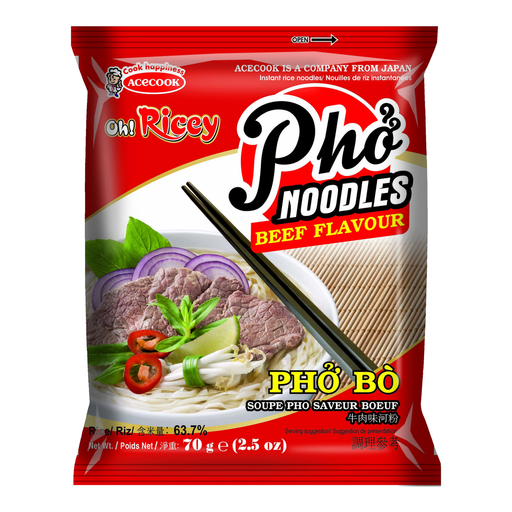
Why This Fits Their Persona: Suitable for shoppers seeking aromatic Vietnamese-style rice noodles rather than a heavier wheat-based ramen meal.
It is clearly described as a 70g rice noodle bowl with beef flavour broth, reducing confusion between pho and dry instant noodles.
Rice noodles; broth includes aromatic spices such as star anise and cinnamon; suitable for home, work or on-the-go preparation.
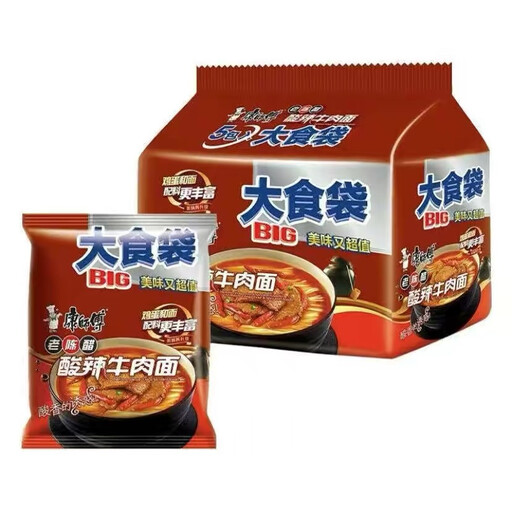
Why This Fits Their Persona: Designed for chilli-and-vinegar fans who want several portions ready for busy weekdays, late meals or pantry storage.
Separate sauce, seasoning and vinegar packets allow the flavour intensity to be adjusted instead of committing to every seasoning element at once.
Five 161g servings; includes a vinegar sachet and instructions for approximately 500ml of water.
We have compiled a complete, real-time list of products that fully satisfy these strict selection criteria and UK safety regulations.
Instant noodles are usually more filling and varied when paired with simple additions. Try spring onions, pak choi, mushrooms, a boiled egg or leftover cooked beef. Add fresh ingredients after the noodles have softened, and follow the packet instructions for cooking and safe serving.
For office use, a bowl product can be convenient where a kettle is available. For a more substantial dinner, a saucepan-cooked multipack allows you to add vegetables and control the amount of seasoning.
Yes, provided you have access to boiling water and a heat-safe bowl or use a self-contained noodle cup. Check the preparation instructions before buying. Packets may require a saucepan, while bowls generally need hot water and a few minutes of standing time.
The shelf life depends on the manufacturer and batch. Store unopened products in a cool, dry place away from direct sunlight and moisture, and check the best-before date printed on the packaging. Once prepared, consume immediately rather than storing the cooked noodles.
It may offer a lower price per serving, but compare the total net weight and portion size first. A 5-pack is useful for regular shoppers, shared households and pantry stocking; a single packet or bowl may reduce waste when trying a new flavour such as instant pho beef flavour or pickled cabbage beef noodles.