
24/7 Customer Support

Free returns

Same-day & Next-day Delivery

Quality Guaranteed

Unlock Your Welcome Offers: FREE Delivery | Up to 80% OFF | Free 30-day JoyPlus trial
Download the APP
Navigating the world of beef jerky can be surprisingly tricky. What seems like a straightforward, healthy snack can often be a minefield of hidden sugars, excessive salt and disappointing textures. Many of us have been there: you buy a packet expecting a satisfying, protein-rich treat to fuel a workout or a busy afternoon, only to be met with something tough, overly sweet or simply not worth the price.
As the Joybuy Product Recommendation Officer, my role is to help you see past the marketing jargon. Before you add another packet to your basket, let’s look at the common pitfalls that UK shoppers face and how to avoid them.
To ensure you're getting a quality product that fits your lifestyle, focus on these three non-negotiable factors.
For a snack to be genuinely beneficial as a high protein snack, the protein content should significantly outweigh the sugar content.
Understanding the production method helps you anticipate the final texture and flavour profile.
Are you buying for a single post-workout boost or stocking the office pantry?
Instead of a generic list, we've matched specific products to different needs, helping you find the right fit for your snacking habits.
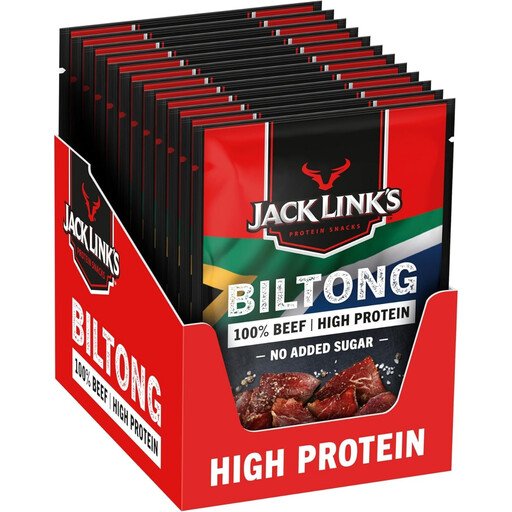
Why This Fits Their Persona: For the gym-goer or health-conscious individual focused purely on macros, this biltong delivers. It's designed for those who prioritise maximum protein intake without the unwanted addition of sugars to fuel their active lifestyle in the UK.
It directly counters the "hidden sugar" pitfall with 0g of sugar. The high meat ratio (240g of beef per 100g of biltong) ensures you are paying for dense protein, not water.
An impressive 50g of protein per 100g. The air-drying biltong process results in a tender texture that is different from traditional jerky.
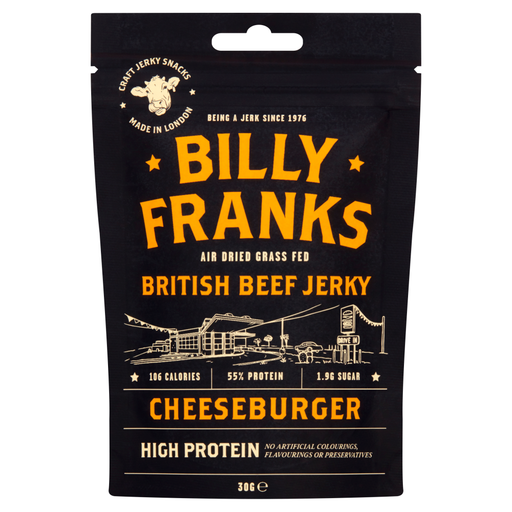
Why This Fits Their Persona: For the snacker who is bored of standard flavours and seeks a novel taste experience. This jerky offers the nostalgic, complex notes of a cheeseburger, making it a fun and interesting choice for a weekend treat or a conversation-starting snack.
Despite its indulgent flavour profile, it's made from British grass-fed beef and maintains a very high protein content. The flavour comes from real ingredients like gherkins, mustard and cheese powder, not just sugar.
A truly unique flavour profile that mimics a cheeseburger. It boasts an exceptionally high protein level of 55.4g per 100g.
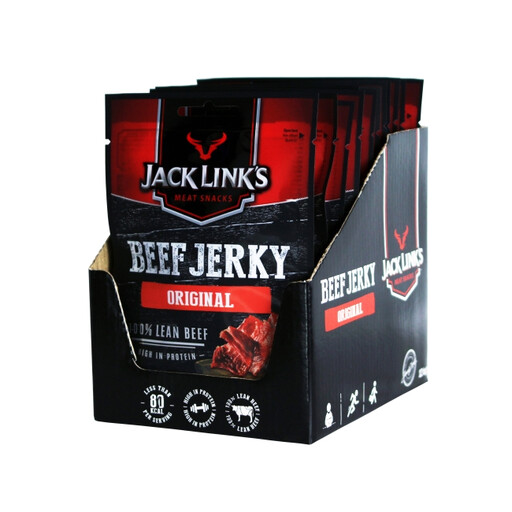
Why This Fits Their Persona: Perfect for the busy professional or family who gets through a lot of jerky. Buying a multipack is more economical and ensures there's always a reliable, portion-controlled snack ready for lunchboxes, desk drawers or gym bags.
This multipack offers better value than buying single packs, avoiding the trap of overpaying for convenience. The individual 25g portions help with mindful consumption, making it easier to manage sugar and salt intake per sitting.
A classic, crowd-pleasing original flavour with a good protein content (35g per 100g). The 12-pack format is convenient for long-term storage and regular use.
We have compiled a complete, real-time list of products that fully satisfy these strict selection criteria and UK safety regulations.
The primary differences lie in the preparation and texture. Beef jerky is typically made from thin slices of meat that are marinated and then cooked or smoked, resulting in a chewier, sometimes drier texture. Biltong originates from South Africa and is made from thicker cuts of meat cured in vinegar and spices, then air-dried before slicing. This process generally yields a softer, more tender snack that is often lower in sugar.
Once opened, the jerky is exposed to air and moisture, which can affect its quality. Most manufacturers recommend resealing the pack tightly and consuming the contents within three days for the intended flavour and texture. It does not typically require refrigeration, but storing it in a cool, dry place is advisable.
Beef jerky can be a helpful component of a balanced diet due to its high protein content, which can increase feelings of fullness and help curb cravings. However, it's important to choose wisely. Opt for products with low sugar and moderate sodium levels. Always check the nutritional information and be mindful of portion sizes to ensure it aligns with your overall dietary goals.