
24/7 Customer Support

Free returns

Same-day & Next-day Delivery

Quality Guaranteed

Unlock Your Welcome Offers: FREE Delivery | Up to 80% OFF | Free 30-day JoyPlus trial
Download the APP
For UK shoppers, beef jerky and protein snacks can be a practical option for commuting, travel, work breaks or outdoor activities. However, attractive packaging does not always tell you how a product will fit your diet, flavour preferences or storage routine.
Three common buying pitfalls are worth checking before adding a pack to your basket:
Nutrition tables usually provide figures per 100g and per serving. The serving figure is more useful when comparing small ready-to-eat meat snacks.
For example, a 40g serving of ADVANCE Sichuan Hot & Spicy Beef provides 14.4g of protein, while the 30g serving of Billy Franks Buffalo Hot Wing Turkey Jerky provides 19.2g. The turkey product has a higher protein figure per stated serving, although the serving sizes and recipes differ.
For a broader comparison, look at:
“High-protein snacks” can support convenient eating, but they should not automatically be treated as a replacement for a balanced meal.
The seasoning determines whether a pack becomes a convenient favourite or sits unused in a cupboard. Shoppers seeking hot and spicy beef jerky may prefer chilli-forward recipes, while those exploring Chinese snacks may want five-spice, Sichuan pepper or pickled chilli flavours.
Common options include:
Always read the ingredient list rather than relying solely on flavour names. “Spicy” may indicate chilli flakes, cayenne, Sichuan pepper or a concentrated hot sauce, each with a different taste and intensity.
Under UK food labelling rules, relevant allergens should be clearly indicated on the packaging. Depending on the recipe, these may include soya, wheat, milk, mustard, celery, sesame, sulphites or nuts.
Storage instructions also affect convenience. Unopened shelf-stable products may be suitable for a desk drawer, suitcase or gym bag, but many products should be resealed and refrigerated after opening. Check the best-before information and do not consume packs that are swollen, damaged or tampered with.
For outdoor trips or commuting, consider:
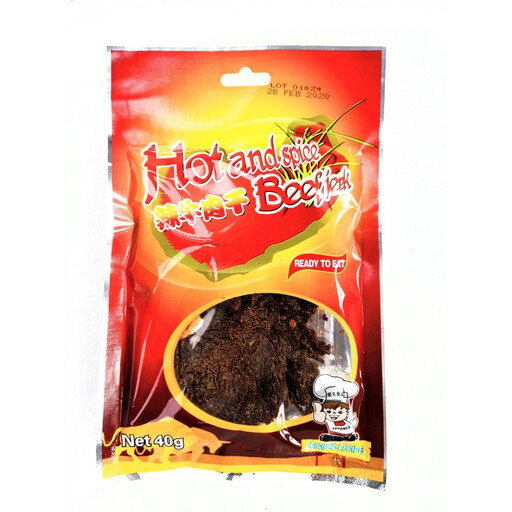
Why This Fits Their Persona: A compact 40g portion suits shoppers trying hot and spicy beef jerky for work breaks, travel or everyday snacking without committing to a large pack.
The label provides per-serving figures: 14g protein, 140 kcal and 340mg sodium. It also clearly identifies soya and wheat allergens, helping buyers check suitability before purchase.
Ready to eat, with chilli, garlic and ginger in the seasoning. The product information lists 35g protein per 100g and gluten-containing wheat in the soy sauce.
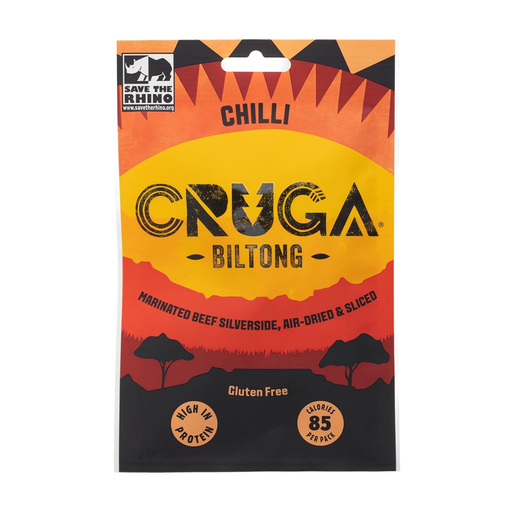
Why This Fits Their Persona: This small pack is suited to shoppers who prioritise a traditional air-dried beef texture and a chilli-seasoned flavour for portable snacking.
The nutrition panel states 54.3g protein per 100g, while the ingredient list identifies soy. Buyers can also see that it does not require refrigeration before opening.
The product uses 188g of beef per 100g of biltong and provides 25g single-pack convenience. An oxygen absorber is included and should not be eaten.
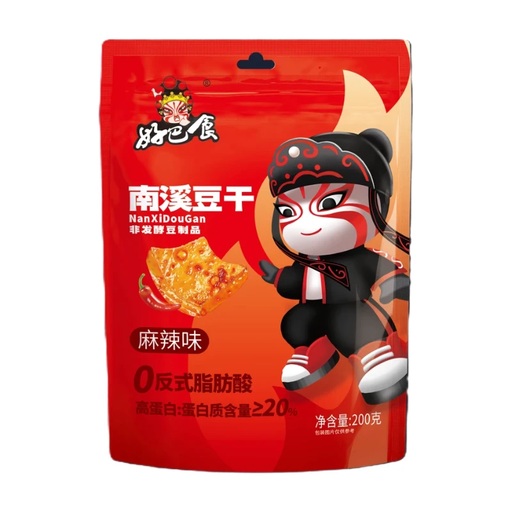
Why This Fits Their Persona: The 200g pack suits frequent snackers and shoppers exploring plant-based jerky with an authentic Sichuan-style flavour.
The stated nutrition values show 20g protein and 2.5g salt per 100g. The allergen information identifies soya and wheat, so it is not suitable for every dietary preference.
Ready to eat, with soybeans, chilli and Sichuan pepper in the recipe. It can also be served with rice, congee or noodles.
We have compiled a complete, real-time list of products that fully satisfy these strict selection criteria and UK safety regulations.
For a sweet-smoky profile, compare BBQ beef jerky such as ADVANCE Honey BBQ Cook Beef or Wild West Honey BBQ Beef Jerky. Teriyaki fans may prefer Jack Link’s Beef Jerky Teriyaki, available as a 25g pack or a six-pack format.
Shoppers seeking meat alternatives can also consider Fuzhou-style dried tofu, pickled chilli tofu jerky or soya-based “vegetarian beef” snacks. Check carefully for wheat, soya, milk and sesame, as plant-based does not necessarily mean allergen-free.
For pets, do not confuse human ready-to-eat meat snacks with pet jerky treats. Products such as chicken tenders, lamb puffs and air-dried rabbit stomach are intended for animals only. Follow the feeding directions, provide fresh water and supervise pets while they eat.
Yes, unopened shelf-stable jerky and biltong can be convenient for commuting, travel and outdoor activities. Check the label for storage instructions, allergens and salt content. Once opened, follow the stated guidance, which may require refrigeration and consumption within a few days.
There is no universal answer. Protein depends on the recipe, moisture level and serving size. Compare the nutrition table per 100g and per pack. Biltong can show a higher protein figure per 100g because it is often more concentrated, but the actual serving size still matters.
They can be suitable alternatives, but always check the ingredients and allergen declaration. Many tofu-based products contain soya and may also include wheat through soy sauce or wheat gluten. Also review salt, fat and protein values before choosing a regular snack.