
24/7 Customer Support

Free returns

Same-day & Next-day Delivery

Quality Guaranteed

Unlock Your Welcome Offers: FREE Delivery | Up to 80% OFF | Free 30-day JoyPlus trial
Download the APP
Beef jerky is a convenient choice for commuters, gym-goers, walkers and anyone who wants a ready-to-eat meat snack without preparation. However, attractive packaging can make products look more alike than they really are. A 25g pouch, a 60g resealable bag and a 12-pack of noodle bowls serve very different needs.
Before buying beef jerky online, check the nutrition panel, allergen statement, pack format and storage instructions. These details are more useful than phrases such as “premium”, “clean” or “authentic”, which do not always explain what you are actually getting.
A product may contain a high amount of protein per 100g but come in a small serving. For example, Jack Link’s Beef Jerky Teriyaki 25g provides 8.8g protein per 25g portion, while Billy Franks Teriyaki Beef Jerky 30g lists 17.9g protein per pack. Compare both the per-100g and per-serving figures to understand the practical value.
Also remember that protein content does not make a snack nutritionally complete. Beef jerky can contain considerable salt, sugar or preservatives, depending on the recipe.
Some beef jerky products are relatively low in fat. Jack Link’s Original 60g, for instance, lists 3.5g fat per 100g, while the Teriyaki 60g version lists 2.0g. Yet both products also contain salt and sugar. A low-fat snack is not automatically low in salt or sugar, so review the full nutrition table.
Teriyaki and Asian beef snacks commonly use soy sauce, which may contain soya and wheat. Other recipes include celery, mustard, milk or sesame. Always read the current packaging, particularly if buying for a household with allergies.
Some products marketed with “beef-style” language are soya-based rather than meat-based. Hao Ba Shi Lamp Shadow Vegetable Beef Jerky Original Flavour is made primarily from layered soya protein, but its ingredient list also includes wheat, milk and sesame, as well as beef flavouring. It may suit shoppers seeking a plant-based-style texture, but it should not be treated as suitable for vegans without checking the label.
Choose the pack according to how you intend to use it:
Use the per-serving values for everyday decisions. Selected examples include:
Nutrition values can vary between pack sizes and recipes. Use the packaging supplied with your order as the current reference.
Beef biltong and beef jerky are both dried meat snacks, but their production methods and textures differ. Biltong often has a firmer, denser chew and may use vinegar during curing. Cruga Chilli Beef Biltong lists beef, cider vinegar, spices and preservatives among its ingredients.
Most unopened pouches can be stored in a cool, dry place, making them convenient for travel and outdoor activities. Once opened, several products recommend resealing and consuming within three days; some should be refrigerated after opening. Oxygen absorber sachets may be included in the packaging and must not be eaten.
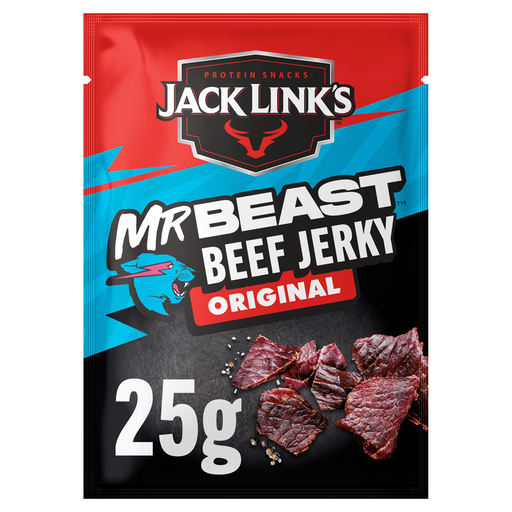
Why This Fits Their Persona: The compact pack is a straightforward way to try traditional beef jerky for work breaks, short journeys or lunchboxes.
The 25g serving makes portion size clear, while the ingredient and allergen information identifies wheat and soya beans.
Ready to eat; 35.2g protein per 100g; small format helps reduce opened-pack waste.
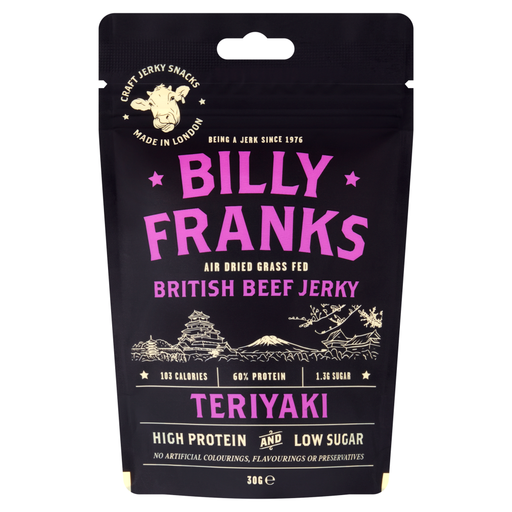
Why This Fits Their Persona: Suitable for shoppers who want a more layered Asian-inspired flavour with a clearly stated British beef ingredient.
The 30g nutrition panel shows the actual serving contribution rather than relying only on per-100g figures.
Lists 17.9g protein per 30g pack; contains celery and soya, which are clearly identified for checking.
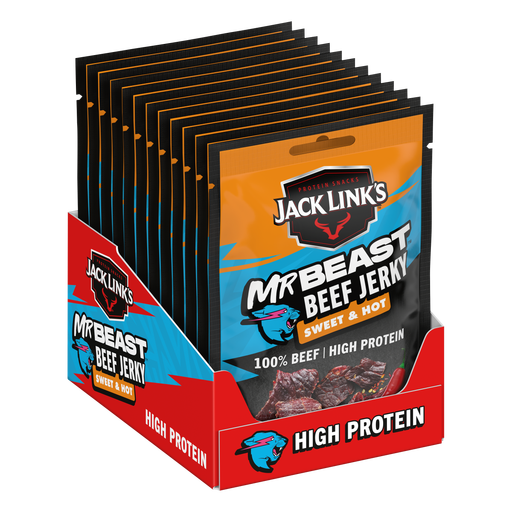
Why This Fits Their Persona: A multipack format suits households, regular snackers, office cupboards and travel planning.
Individual 25g portions make consumption easier to monitor than repeatedly opening one large pouch.
12 individually packed servings; 35g protein per 100g; sweet and hot seasoning profile.
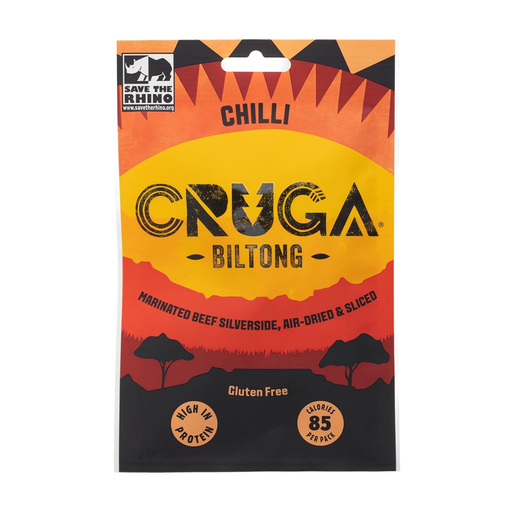
Why This Fits Their Persona: The small chilli biltong pack is suited to shoppers who prefer a dense chew and a sharper savoury-spiced profile.
The product is identified as biltong, helping buyers distinguish its curing style and texture from conventional jerky.
54.3g protein per 100g; 5.2g fat per 100g; no refrigeration required according to the listing.
We have compiled a complete, real-time list of products that fully satisfy these strict selection criteria and UK safety regulations.
It can contribute protein conveniently, but the amount varies by recipe and pack size. Check the per-serving figure rather than relying only on “high protein” wording. Also consider salt, sugar and allergens as part of your overall diet.
Follow the individual pack instructions. Many products recommend resealing and consuming within three days, with some requiring refrigeration after opening. Unopened packs are generally stored in a cool, dry place, but always follow the best-before date and discard damaged or swollen packaging.