
24/7 Customer Support

Free returns

Same-day & Next-day Delivery

Quality Guaranteed

Unlock Your Welcome Offers: FREE Delivery | Up to 80% OFF | Free 30-day JoyPlus trial
Download the APP
As a convenient and satisfying source of protein, beef jerky has become a staple for many in the UK, from fitness enthusiasts to busy professionals. However, the growing popularity of these meat snacks has flooded the market with options, making it difficult to distinguish a genuinely good product from one that's all marketing. Many shoppers find themselves disappointed with snacks that are overly tough, surprisingly high in sugar or simply not what they expected.
Before you add another pack to your basket, let's look at a few common pitfalls that can lead to a poor purchase.
To ensure you're getting a quality product that meets your needs, focus on a few key parameters rather than just the branding on the front of the pack.
For those seeking a genuinely healthy snack, this is the most important metric. Don't just look at the protein content in isolation. Check the "Nutritional Information" table on the back of the pack.
The way the meat is prepared dictates its final character. Understanding the label's description can tell you what to expect.
A shorter, more recognisable ingredient list is often a sign of a higher-quality product.
Based on these practical criteria, here are a few options from the meat snacks UK market, matched to different needs and preferences.
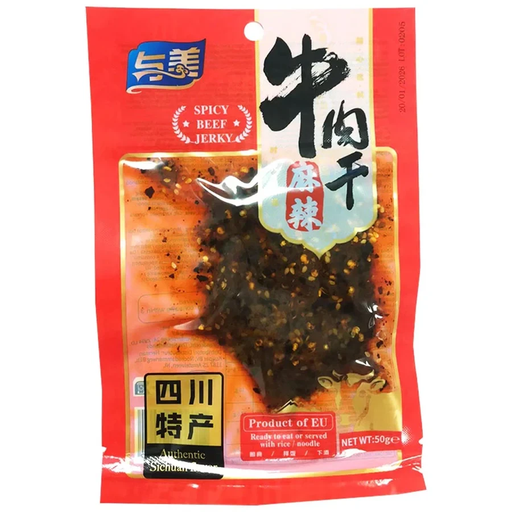
Why This Fits Their Persona: For those tired of standard BBQ or teriyaki, this jerky offers an authentic Sichuan flavour profile with a distinct spicy and numbing kick from chilli and Sichuan pepper. It's a bold choice for adventurous palates.
This product avoids the texture gamble by using selected beef cuts that provide a firm, satisfying chew. Its flavour is distinct and not overly reliant on sugar to be palatable.
Authentic Sichuan spicy and numbing flavour. Individually vacuum-packed pieces make it convenient for portion control and on-the-go snacking.
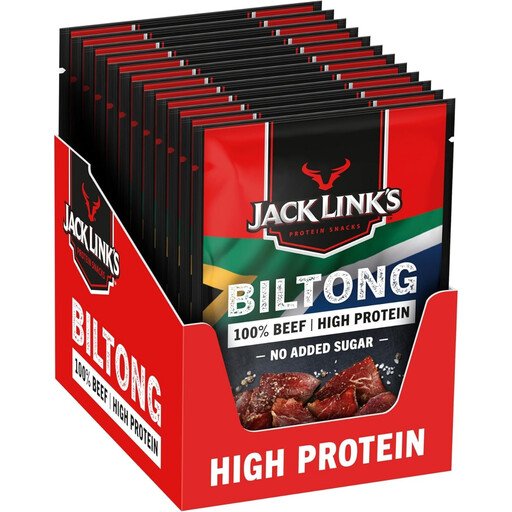
Why This Fits Their Persona: This is for the person who reads nutritional labels religiously. It's designed for performance, delivering a massive protein hit without the unwanted sugar, making it ideal for post-workout fuel or a clean, keto-friendly snack.
It directly counters the high-sugar trap by being naturally sugar-free. It also clarifies the jerky/biltong confusion, delivering the tender, savoury experience expected of biltong.
An impressive 50g of protein per 100g. It is also gluten-free and made from 100% lean premium beef, with no artificial additives.
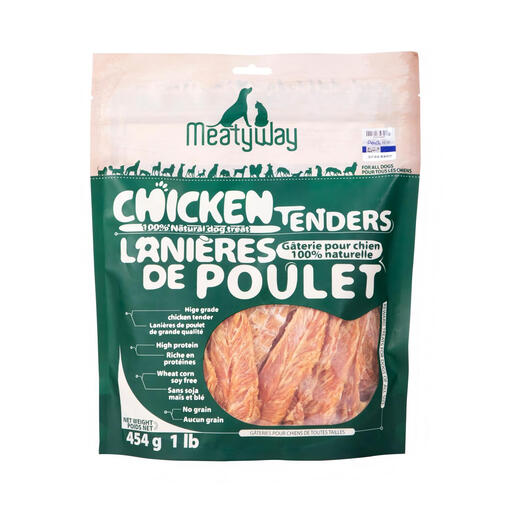
Why This Fits Their Persona: For the pet owner who wants to give their dog a high-quality, jerky-style treat without the harmful ingredients found in human snacks (like onion, excessive salt or certain spices).
This product is specifically formulated for dogs, avoiding the dangerous trap of sharing human food. It has a minimal ingredient list, steering clear of the fillers and additives common in lower-grade pet treats.
Made with 100% real chicken as the only main ingredient. These are grain-free, easy to digest and serve as excellent natural dog treats for training or rewards.
We have compiled a complete, real-time list of products that fully satisfy these strict selection criteria and UK safety regulations.
1. What is the real difference between beef jerky and beef biltong? The main difference lies in the preparation. Beef jerky is typically made from lean strips of meat that are marinated and then cooked or smoked at a low temperature. Beef biltong, a South African speciality, is cured in a vinegar and spice mixture before being air-dried. This generally gives biltong a softer, more tender texture and a savoury, slightly tangy flavour, whereas jerky is often chewier and can be sweeter depending on the marinade.
2. How long does beef jerky last after the pack is opened? Once opened, the jerky is exposed to air and moisture, which can affect its quality. Most manufacturers recommend consuming it within three days for the best texture and flavour. To preserve it, reseal the bag tightly (many come with a zip-lock) and store it in a cool, dry place. Refrigeration is not usually necessary but can help maintain freshness if you live in a humid environment.
3. Can I give my dog beef jerky? You should not give your dog beef jerky that is made for human consumption. Human-grade jerky often contains ingredients that are toxic to dogs, such as onion powder, garlic powder and excessive salt. Always choose jerky treats specifically formulated for dogs, like natural dog treats made with minimal, pet-safe ingredients. These are designed to be easily digestible and are free from harmful seasonings.