
24/7 Customer Support

Free returns

Same-day & Next-day Delivery

Quality Guaranteed

Unlock Your Welcome Offers: FREE Delivery | Up to 80% OFF | Free 30-day JoyPlus trial
Download the APP
Buying beef short ribs in the UK can be surprisingly confusing. A pack may be labelled “ribs”, “LA ribs”, “short rib slices” or “Wagyu”, yet each term can refer to a different cut, thickness, cooking method and price point.
The right choice depends less on impressive wording and more on practical details: how the meat is cut, whether it is bone-in or boneless, how it has been stored and what you plan to cook. This guide explains the main buying traps and highlights suitable options for hot pot, Korean BBQ, braising and slow cooking.
Flanken-cut beef short ribs, also called LA ribs, are sliced across the bone into thin strips. They are intended for quick cooking over high heat, such as Korean BBQ, pan-searing or grilling.
By contrast, traditional thick-cut bone-in beef short ribs contain more connective tissue and generally need gentle, extended cooking. Using a thick braising cut for a quick barbecue can leave it chewy; cooking thin LA ribs for several hours can make them lose their useful texture.
Marbling refers to intramuscular fat, which can contribute to a richer mouthfeel when cooked correctly. However, a higher-fat cut may not suit every dish. Thin sliced beef short ribs cook in seconds, while a heavily marbled thick cut can release a considerable amount of fat into a pan or broth.
Check the stated fat content, pack size and intended cooking method rather than paying solely for terms such as “premium beef ribs” or “Wagyu short ribs”.
Many frozen beef short ribs are sold in portions designed to go directly into the freezer. A pack should clearly state its storage temperature, typically -18°C or below, and explain how long it can be kept refrigerated after thawing.
Do not refreeze meat once defrosted unless the packaging specifically permits it. Always follow the use-by or best-before information on the pack and cook raw beef thoroughly according to the product instructions.
Thickness affects cooking time more than the name on the front of the pack. Thin slices can be ready in seconds, while a whole or thick piece may need an hour or more to soften.
For shoppers seeking British beef ribs, check the stated country of origin and where the meat was slaughtered and cut. Several products in this selection are sourced or processed in the UK, including cuts from farms in Kent and other British supply chains. Country-of-origin information should be confirmed on the product page and packaging, particularly where the listing gives more than one possible origin.
Unseasoned beef ribs may contain only beef, while marinated beef short ribs can include soy, wheat, sesame, fruit, sugar and flavourings. Read the ingredients panel carefully if you have an allergy or are limiting salt.
For example, a fruity soy marinade includes soybeans, wheat and sesame, whereas several plain beef products list no common allergens. Pre-marination saves preparation time but gives you less control over sweetness and salt.

Why This Fits Their Persona: A manageable portion for trying Korean galbi or a home barbecue without committing to a large pack.
The flanken cut is clearly intended for quick frying and barbecuing rather than being mistaken for a thick braising rib.
UK-sourced product; thin, bone-in slices designed for short cooking times.
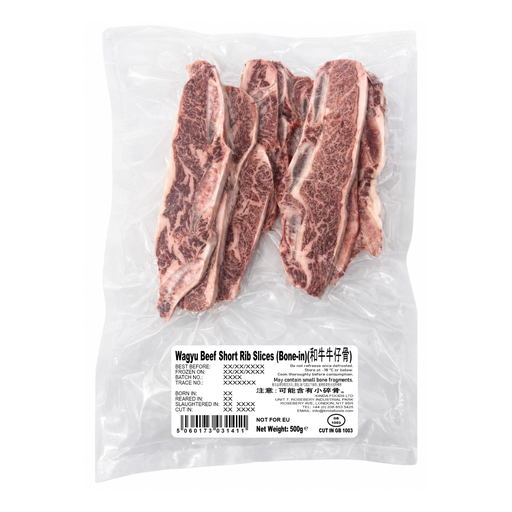
Why This Fits Their Persona: Suitable for cooks looking for British Wagyu with a thicker slice for BBQ grilling, griddling or pan-searing.
The listing specifies the breed type, bone-in format, pack size and frozen storage requirement, making comparison more straightforward.
100% British Wagyu beef; 500g pack; suitable for grilling, searing and oven finishing.
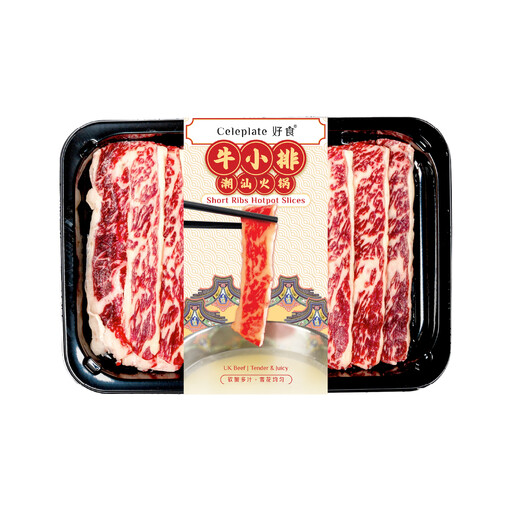
Why This Fits Their Persona: A practical portion for shabu shabu, sukiyaki, Chinese hot pot, noodle soups and quick rice bowls.
The product is specifically labelled for hot pot, with guidance to cook the slices for around 10–15 seconds.
British beef short rib; 150g format; usable from frozen for hot pot according to the listing.
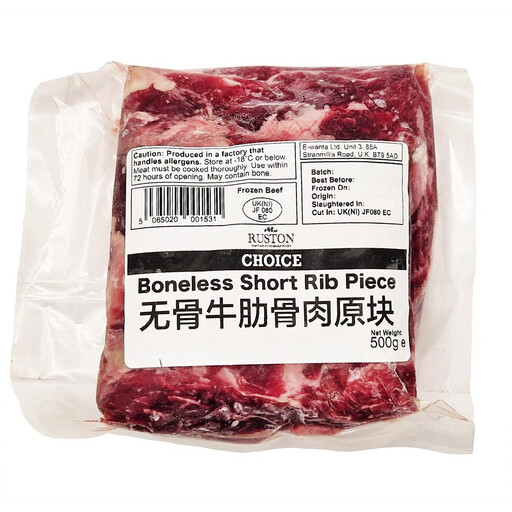
Why This Fits Their Persona: A two-piece family pack for Korean braised ribs, red-braised beef and meals that need longer cooking.
The boneless format removes bone-related waste and the listing gives a clear 1.5–2-hour low-temperature braising method.
500g pack; boneless beef; suitable for slow cooking and serves approximately three to four people.
For hot pot, bring the broth to a steady simmer and add slices in small batches. Remove them once fully cooked rather than leaving them in the pot, which can affect texture.
For Korean BBQ or LA ribs, thaw in the refrigerator where possible, pat dry and cook on a hot grill or griddle. Sugary marinades can caramelise quickly, so reduce the heat if the surface darkens before the beef is cooked through.
For thick bone-in or boneless short ribs, sear first, then braise in stock, soy-based sauce or aromatics until tender. Keep raw meat separate from ready-to-eat ingredients, wash utensils thoroughly and follow the cooking instructions supplied with the product.
We have compiled a complete, real-time list of products that fully satisfy these strict selection criteria and UK safety regulations.
Yes, provided you select thin beef ribs for hot pot or hot pot slices. Add them to simmering broth for the time stated on the pack, commonly around 5–15 seconds for thin slices and ensure they are cooked through before eating.
LA ribs are flanken-cut: the bone is sliced across into thin strips. They cook quickly and are commonly used for Korean galbi and BBQ. Regular thick-cut short ribs are more suitable for braising, roasting or slow cooking.
The safe period varies by product. Some packs specify 24 hours, while others allow up to 48 or 72 hours after defrosting. Keep the meat covered at the bottom of the refrigerator and follow the product label rather than relying on a general estimate.