
24/7 Customer Support

Free returns

Same-day & Next-day Delivery

Quality Guaranteed

Unlock Your Welcome Offers: FREE Delivery | Up to 80% OFF | Free 30-day JoyPlus trial
Download the APP
There are few culinary experiences as rewarding as serving up perfectly tender, fall-off-the-bone beef short ribs. Whether braised for hours in a rich, savoury sauce or patiently smoked until a dark, flavourful bark forms, this cut promises a truly memorable meal. However, when you decide to buy beef short ribs online, the path to success is lined with potential pitfalls. What seems like a good deal can often lead to a disappointing dinner.
As a Joybuy Product Recommendation Officer, my role is to help you navigate the market and understand what truly matters. Let's look at the common traps that catch out even experienced home cooks and how to sidestep them to secure a cut worthy of your time and effort.
To ensure you get a cut that delivers on its promise, focus on these key parameters. They are the difference between a good meal and a great one.
The origin of your beef matters. Look for suppliers who specify the breed, such as Aberdeen Angus or Hereford, and the region. High-quality British beef short ribs, particularly from cattle reared on the pastures of Scotland or Ireland, are known for their exceptional quality. A 100% grass-fed diet contributes not only to a more nuanced flavour but also aligns with farming practices that prioritise animal welfare and sustainability.
Understanding the cut is essential for matching the ribs to your recipe.
For most traditional British and American-style recipes, the English cut is the standard you should be looking for.
For a cut destined for slow cooking, fat is flavour. Look for ribs with good marbling—the fine threads of intramuscular fat running through the meat. As the ribs cook slowly, this fat renders down, basting the meat from within and keeping it moist and succulent. A generous fat cap on top also protects the meat during cooking, which is especially important for beef ribs for smoking.
Based on these quality markers, here are a few selections tailored to different home cooks.
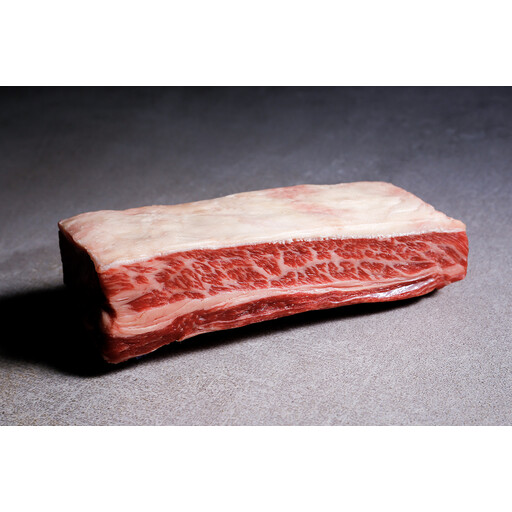
Why This Fits Their Persona: This pack size is ideal for a special weekend meal for two to three people. It offers the same premium quality as larger cuts without the commitment, perfect for perfecting a red wine braise or a rich stew in a home kitchen.
Sourced from grass-fed British cattle and dry-aged for a minimum of 28 days, this cut directly counters the pitfalls of ambiguous provenance and unaged meat. The butchery is consistent and ideal for slow cooking.
Excellent marbling ensures a moist, flavourful result. The 28-day dry-aging process provides exceptional tenderness and a concentrated beef taste.
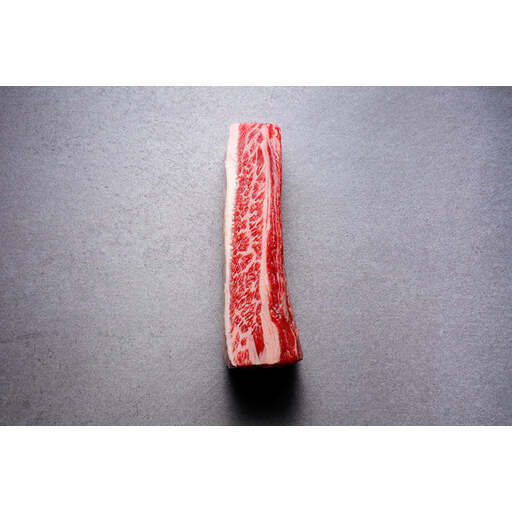
Why This Fits Their Persona: This substantial 1.1kg rack is exactly what a smoking enthusiast needs. It's a single, large piece that will cook evenly in a smoker or barbecue, with enough meat and fat to develop a beautiful bark and remain juicy over a long cook.
This avoids the poor butchery trap by providing a full, thick rack specifically suited for smoking. The clear sourcing from grass-fed, dry-aged British beef guarantees a premium foundation for your barbecue project.
A large, single cut ensures even cooking. The high degree of marbling is perfect for rendering down during a low-and-slow smoke, creating incredibly tender results.
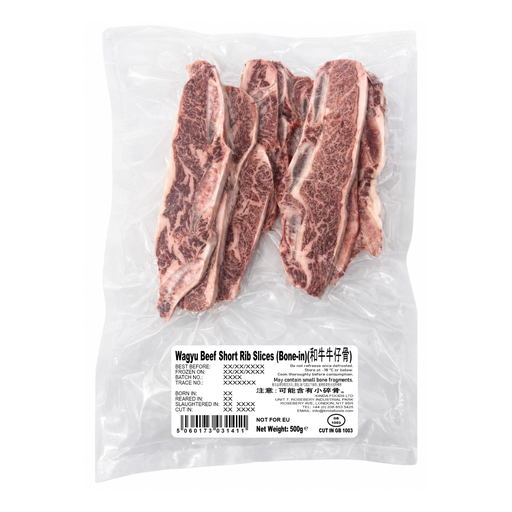
Why This Fits Their Persona: For the cook looking to replicate Korean BBQ at home, this Flanken-cut is the perfect choice. The thin slices are designed for quick grilling over high heat, and the British Wagyu offers intense marbling for a rich, buttery flavour.
This product avoids the trap of mismatched cuts by being explicitly prepared for grilling. Instead of a thick rib unsuited for quick cooking, you get the correct Flanken style, ensuring success for your BBQ.
The British Wagyu provides exceptional marbling and flavour. The pre-sliced, Flanken cut is convenient and perfectly suited for high-heat grilling and marinades.
We have compiled a complete, real-time list of products that fully satisfy these strict selection criteria and UK safety regulations.
The main difference is where they come from on the animal. Beef short ribs are from the lower part of the rib cage (the plate, chuck or brisket area) and have a thick layer of meat on top of the bone. They are fatty and full of connective tissue, making them ideal for slow cooking. Beef back ribs are from the upper part of the animal, taken from the prime rib roast. They have less meat (the meat is between the bones, not on top) and are leaner, cooking much faster.
Yes, it is generally recommended. The membrane, or silverskin, is a tough layer of connective tissue on the bone-side of the ribs. It doesn't break down during cooking and can make the final texture tough and chewy. It also prevents marinades and smoke from penetrating the meat. To remove it, slide a butter knife under an edge to lift it, then grip it with a paper towel and pull it off.
The most reliable indicator is tenderness, not time or temperature alone. The ribs are ready when the meat is exceptionally tender and has pulled back to expose about an inch of the bone. You should be able to easily shred the meat with a fork. If you probe the meat between the bones with a thermometer, it should slide in with very little resistance, similar to probing soft butter. This typically happens at an internal temperature around 90-95°C.