
24/7 Customer Support

Free returns

Same-day & Next-day Delivery

Quality Guaranteed

Unlock Your Welcome Offers: FREE Delivery | Up to 80% OFF | Free 30-day JoyPlus trial
Download the APP
Buying beer multipacks online can look straightforward until you compare bottle sizes, alcohol units, pack quantities and storage requirements. A large case may appear economical, while a smaller pack may suit your household better. Likewise, “alcohol-free” and “non-alcoholic” labels do not always mean exactly the same thing.
This guide explains the practical details to check before you buy beer online in the UK, with recommendations for different budgets, tastes and occasions.
A 12-pack and an 18-pack may contain different quantities, while some packs use 330ml bottles or cans and others use larger containers. Compare the total volume, not just the price of the outer case.
For example, an 18-pack of 330ml bottled beer contains 5.94 litres in total. A 12-pack of the same size contains 3.96 litres. This makes it easier to judge value for parties, regular home use or cupboard stocking.
Lager multipacks can vary significantly in flavour. Some are light, crisp and dry, while others have more malt sweetness or bitterness. Craft beer, stout and imported beers also differ in strength and food pairing.
Marketing descriptions may use terms such as “smooth”, “refreshing” or “premium” without explaining what the drink will taste like. Check the ABV, ingredients and stated tasting notes to identify whether a pack suits your preferences.
Alcohol-free beer and non-alcoholic beer need careful checking. Corona Cero and Asahi Non-Alcohol Beer are listed at 0.0% ABV, while BrewDog Mixed AF is listed at 0.5% ABV, and Heineken 0.0 is listed at 0.05% vol in the supplied product information.
If you need to avoid alcohol completely, read the product label and current packaging rather than relying only on the front-of-pack wording. Alcohol-free products can still contain barley and gluten, so they may not suit people with relevant allergies or intolerances.
ABV means alcohol by volume. A 330ml beer at 5% ABV contains approximately 1.65 UK units:
330ml × 5 ÷ 1,000 = 1.65 units
The supplied product details list Kirin Ichiban 330ml at 5.0% ABV and approximately 1.65 units per bottle. Leffe Blonde is listed at 6.0% ABV and around 2 units per 330ml bottle, so a 12-pack contains considerably more alcohol overall than a lower-strength lager pack.
The UK Chief Medical Officers advise adults who drink regularly not to exceed 14 units per week. Consider both the per-container figure and the total case quantity, particularly when buying beer for parties or shared events.
Bottled beer can suit table service, meals and occasions where presentation matters. Glass bottles are heavier and need careful handling, while cans are generally easier to transport and stack.
Canned beer multipacks can be practical for barbecues, sports gatherings and outdoor use. Check whether the pack is ambient or requires chilling, and make sure cans or bottles are not damaged before opening.
Most traditional beer contains barley malt and gluten. Some products also include wheat, oats, rice, maize, lactose or sulphites. BrewDog Hazy Jane, for example, lists barley, oats and wheat, while Saigon Beer VN lists barley malt and sulphites.
Always check the physical label if you have an allergy, coeliac disease or dietary restriction. Product formulations and packaging information can change.
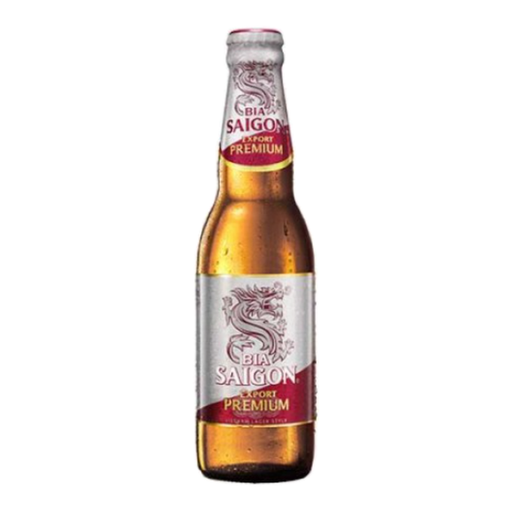
Why This Fits Their Persona: A 4.8% ABV Vietnamese lager with a 330ml bottle format suits shoppers trying an international beer without immediately committing to a large case.
The stated ABV, bottle size, ingredients and allergen information make it easier to assess the actual serving before purchase.
330ml bottle; 4.8% ABV; cereal, citrus and mild caramel notes listed in the product description.
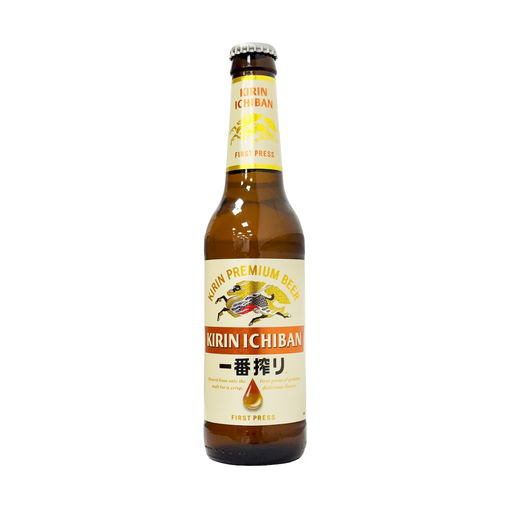
Why This Fits Their Persona: This 5.0% Japanese beer offers a clean lager profile for dinners, sushi, grilled food and relaxed at-home serving.
Its listed ingredients are water, barley malt, yeast and hops, giving shoppers clear information beyond general quality claims.
330ml glass bottle; 5.0% ABV; mild bitterness and a clean, crisp finish described by the product information.
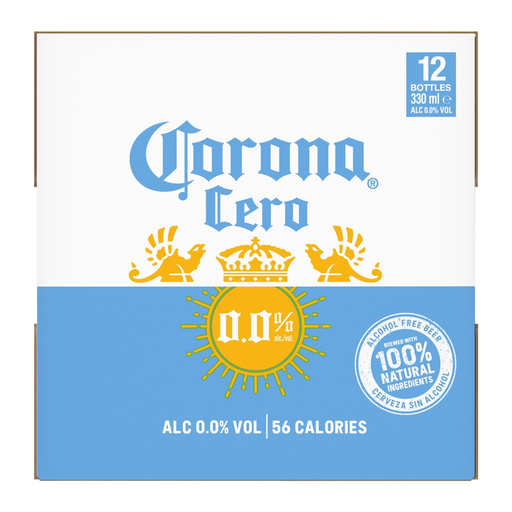
Why This Fits Their Persona: A 12-bottle alcohol-free multipack works for mixed gatherings where some guests want a beer-style drink without alcohol.
The product information specifies 0.0% ABV and 0 UK units per bottle, rather than relying only on the phrase “alcohol-free”.
12 x 330ml bottles; 56 calories per bottle as listed; contains barley malt, so check the label for allergens.

Why This Fits Their Persona: A four-can Irish stout pack suits shoppers who prefer darker beer with roasted flavours and want controlled quantities rather than a large case.
The 4.2% ABV and 1.4 units per 330ml can are clearly stated, helping avoid underestimating the strength of a dark beer.
Four 330ml cans; roasted barley ingredients; product notes include coffee, chocolate and a dry finish.
We have compiled a complete, real-time list of products that fully satisfy these strict selection criteria and UK safety regulations.
For a party, calculate one 330ml serving per guest as a starting point, then consider whether guests will also drink wine, spirits or soft drinks. Mixed cases can provide variety, while a larger beer case of one familiar lager simplifies serving.
For meals, match intensity rather than relying on country of origin alone. Japanese beer often suits sushi and grilled dishes; Italian beer can work with pizza and pasta; Mexican beer is commonly served chilled with lighter foods; Belgian beer and Irish stout may suit richer dishes. These are pairing suggestions, not fixed rules.
Store unopened beer in a cool, dry place away from direct sunlight, unless the packaging says refrigeration is required. Check best-before information, chill bottles or cans before serving, and never consume from damaged or leaking packaging. Alcohol products are for adults aged 18 and over; drink responsibly and never drink and drive.
They can offer a lower per-container price, but value depends on the total volume, ABV and delivery cost. Compare the number of 330ml servings and total litres before ordering.
Follow the best-before date printed on the can, bottle or outer packaging. Store beer away from heat and sunlight. Once opened, consume promptly; alcohol-free and craft products may have specific storage instructions.
The main practical differences are packaging, weight, breakage risk and storage. Cans are convenient for transport and parties, while bottled beer can suit meals and table serving. The beer style itself depends on the recipe and brewing process, not simply the container.