
24/7 Customer Support

Free returns

Same-day & Next-day Delivery

Quality Guaranteed

Unlock Your Welcome Offers: FREE Delivery | Up to 80% OFF | Free 30-day JoyPlus trial
Download the APP
Choosing beer and wine drinks and coolers involves more than selecting a familiar label or the appliance with the largest advertised capacity. Pack size, alcohol strength, storage temperature, installation type and running costs can all affect whether a purchase suits your home.
This guide from the Joybuy Product Recommendation Officer focuses on the common traps that lead to wasted money, then matches selected drinks refrigerators and international beers to different buying needs.
A large beer multipack may look economical, but check the total volume per unit, ABV and packaging format. A 12-pack of 650ml cans provides a different quantity and storage requirement from 12 bottles of 330ml. Cans are generally easier to stack in a beverage cooler, while bottled beer may need more shelf height and careful handling.
Also check the alcohol units. For example, a 650ml can of 5.0% beer contains approximately 3.3 UK units, while a 330ml bottle of 4.5% beer contains around 1.5 units. UK Chief Medical Officers advise adults who drink regularly not to exceed 14 units per week.
A wine fridge with one temperature zone may be adequate for a single wine style, but it is less flexible if you regularly serve reds, whites and sparkling wines. A dual-zone wine cooler allows separate settings, although usable capacity can vary depending on bottle shape.
Advertised bottle capacity is usually based on standard 750ml Bordeaux bottles. Champagne, Burgundy and larger-format bottles can reduce the practical capacity. Check internal shelf spacing rather than relying only on the headline number.
A freestanding appliance cannot always be placed directly under a worktop. Built-in models need the correct aperture, ventilation and electrical connection. Reversible doors and adjustable feet are useful, but they do not replace accurate measurements.
Before buying an under-counter wine cooler or home bar fridge, measure:
Do not use an extension lead or multi-plug adapter unless the manufacturer specifically permits it. Built-in appliances should be connected and installed by a suitably qualified person.
For general drinks storage, a range around 0°C to 16°C can be useful. The Comfee RCW49BG1UK(E), for example, offers adjustable settings from 0°C to 16°C, making it suitable for beer, soft drinks and other chilled beverages.
Wine storage appliances commonly cover approximately 5°C to 20°C. A single-zone model offers simpler operation, while a dual-zone wine cooler can separate red and white wine settings. Remember that a wine cooler is designed for controlled storage and serving temperatures, not rapid chilling like a domestic freezer.
Look beyond litres. A 44-litre drinks refrigerator may be more practical for cans than a wine cabinet rated for a certain number of bottles. Wooden shelves can help organise wine bottles, while adjustable or removable shelves may be more useful for taller beer bottles and mixed drinks.
For large collections, compare the internal layout with your preferred format:
UK appliance energy labels use a scale from A to G. The rating should be considered alongside capacity and annual energy consumption, rather than viewed in isolation. A larger cabinet may consume more electricity simply because it has greater capacity.
Noise figures are also relevant for open-plan kitchens, bedrooms or home bars. Models listed at around 39–40 dB(A) may be more suitable for quieter rooms, although placement and flooring can affect perceived sound.
UV-resistant or smoked glass can reduce exposure to light. This is particularly useful for wine storage, but it does not remove the need to keep the appliance properly ventilated and away from excessive heat.
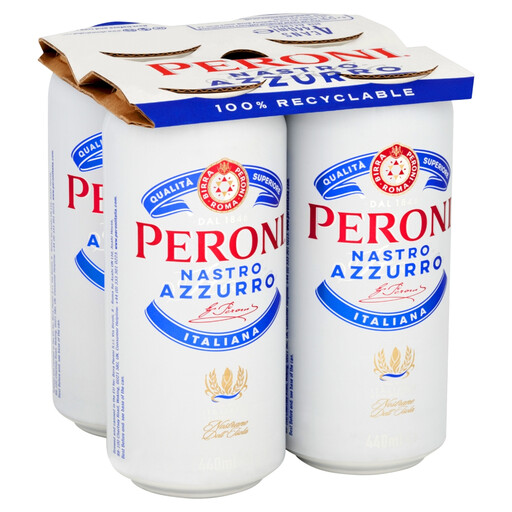
Why This Fits Their Persona: A compact four-can pack suits shoppers trying an Italian lager without committing to a large case or needing substantial storage space.
The 440ml format makes the total quantity clear, while the listed 5.0% ABV helps buyers compare it fairly with other premium lager beer options.
Crisp profile with subtle citrus notes; convenient canned format for fridge storage.

Why This Fits Their Persona: Suitable for shoppers seeking Japanese beer for food pairing, dinner parties or a stocked home bar.
The product listing clearly states the 12 x 650ml format, 5.0% ABV, barley allergen and upright storage guidance.
Large cans for entertaining; crisp pilsner-style profile with a clean finish.
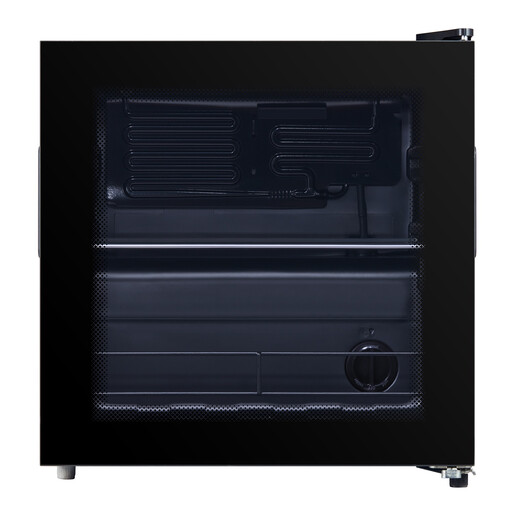
Why This Fits Their Persona: A practical choice for a home bar, flat, kitchen corner or entertaining space where a dedicated beverage cooler is preferable to using the main fridge.
The 44-litre capacity and 0°C–16°C adjustable range are specified, avoiding vague “extra cold” claims.
Reversible door and adjustable feet; suitable for freestanding placement with compressor cooling.
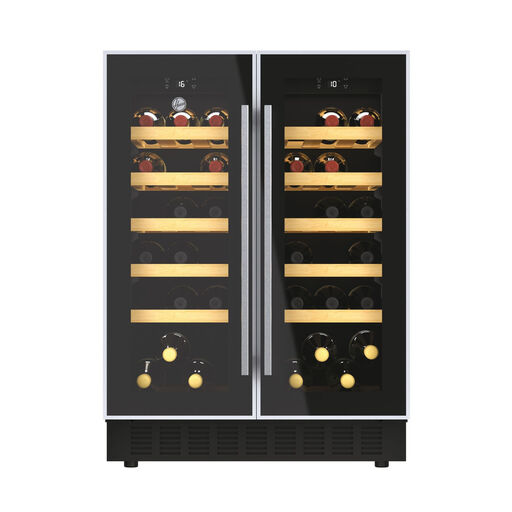
Why This Fits Their Persona: Designed for fitted kitchens and wine-focused households wanting separate storage for different wine styles.
Its integrated 60cm format, two independently controlled zones and stated 38-bottle Bordeaux capacity make installation and storage expectations clearer.
Dual temperature control; UV-resistant glass, bamboo shelves and Wi-Fi inventory features.
For additional international drinks, consider bottled beer such as Corona Extra 18 x 330ml, Peroni Nastro Azzurro Bottles 12 x 330ml, Tiger Beer 640ml or Cruzcampo 12 x 330ml. Shoppers wanting darker Japanese beer can compare Sapporo Premium Black Beer, while Heineken 10 x 440ml offers a familiar canned format.
For wine storage, the range also includes single- and dual-zone wine fridges from CDA, Hoover, Hisense, Russell Hobbs, TCL and Midea. Compare bottle capacity, aperture measurements, energy rating and temperature controls before ordering.
We have compiled a complete, real-time list of products that fully satisfy these strict selection criteria and UK safety regulations.
Some wine coolers can store beer, particularly cans and smaller bottles, but shelf spacing and temperature range may not be ideal. A dedicated beverage cooler with settings closer to 0°C is usually more practical for beer.
Running cost depends on the appliance’s annual energy consumption, capacity, room temperature, door opening frequency and temperature setting. Compare the UK energy label and annual kWh figure, and avoid placing the cooler beside a cooker, radiator or direct sunlight.
Follow the date and storage instructions on the packaging. Store beer upright in a cool, dry place away from sunlight, then refrigerate before serving. Check cans and bottles for dents, leaks, broken seals or other visible damage before consumption. All alcoholic products mentioned are for adults aged 18 and over; drink responsibly.