
24/7 Customer Support

Free returns

Same-day & Next-day Delivery

Quality Guaranteed

Unlock Your Welcome Offers: FREE Delivery | Up to 80% OFF | Free 30-day JoyPlus trial
Download the APP
Benches can provide seating, storage or exercise support, but choosing the wrong one can waste floor space and money. A dining bench may look suitable in a hallway but lack the storage you need, while a padded bench designed for a home gym may be uncomfortable around a dining table.
Before buying, focus on how the bench will be used, where it will sit and what load it must support. The most common buying pitfalls are hidden capacity limits, unsuitable materials and dimensions that do not work in the intended space.
Marketing images often emphasise style while giving little attention to construction. A bench with a slim frame may look attractive but may not offer enough support for daily family use. Always check the stated weight capacity, including whether it refers to the seat, baseboard or total user-and-equipment load.
For example, a dining bench with a 120 kg capacity is intended for ordinary seating, whereas a home gym weight bench may list a much higher limit that includes both the user and weights. These figures should not be compared without considering the intended use.
Wooden benches can bring warmth to dining rooms, hallways and bedrooms, but indoor-only designs should not be left on a damp patio. Outdoor storage benches need materials and finishes intended for changing weather conditions, although a covered position and regular care may still be advisable.
Likewise, upholstered benches and padded benches offer a softer seat but require more care around muddy shoes, food spills and pets. Check the upholstery material and cleaning instructions before placing one in a busy entrance.
A backless bench may slide beneath a dining table when not in use, but a bench with a backrest and armrests needs additional clearance. Measure the available width, depth and height, then compare these measurements with the product dimensions.
Remember to allow room to walk around the bench and, for entryway benches, space to open doors or drawers. For home gym weight benches, leave enough clearance for safe movement and for exercises involving dumbbells or other equipment.
For dining benches, compare the seat length with the table width. A 110–120 cm bench may accommodate two or three people depending on body size and how closely users sit. Seat depth also affects comfort: a shallow backless design is practical for tucking away, while a deeper seat with a backrest may be more suitable for relaxed outdoor seating.
Check seat height as well. A bench should work comfortably with the table height, particularly if it is replacing dining chairs. Entryway benches are often around 44 cm high, which can make putting on shoes easier, but the ideal height depends on the household.
Solid wood benches can provide a substantial appearance and natural grain, while pine and poplar offer different visual and structural characteristics. Look for clear information about whether the product is solid wood, veneer, particleboard or a combination.
Industrial benches commonly pair a timber seat with black metal bench legs. This can create a contemporary look, but check whether the frame includes cross-bracing or a stretcher for additional stability.
For upholstered benches, inspect the seat covering, foam construction and cleaning guidance. PU leather can be wiped clean, while fabric may offer a softer appearance but need more careful stain management.
A bench should stand level without rocking after assembly. Check whether it requires self-assembly and whether the instructions and fittings are included. Tighten fixings according to the instructions and recheck them periodically, especially where the bench is used frequently.
For a home gym weight bench, the stated maximum capacity should include your body weight plus any weights being lifted. Place the bench on a flat, level surface and do not use it if bolts, adjustment pins or other components are loose or damaged.

Why This Fits Their Persona: A practical choice for renters, families and smaller UK hallways where seating and shoe organisation are both needed.
It provides stated three-tier shoe storage and a concealed compartment, avoiding the need to buy separate hallway furniture.
80 cm width, padded PU seat and stated 136 kg static capacity.
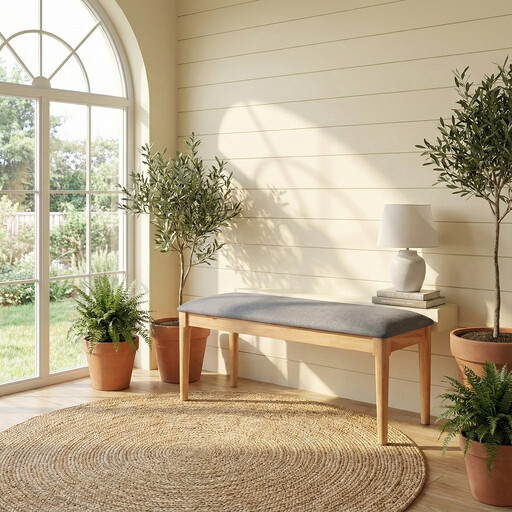
Why This Fits Their Persona: Suits homeowners seeking solid wood seating that can move between a dining room, hallway or bedroom.
The listed solid hardwood frame and 120 kg capacity give clearer information than a listing focused only on appearance.
110 cm width, grey padded seat and tapered solid wood legs.
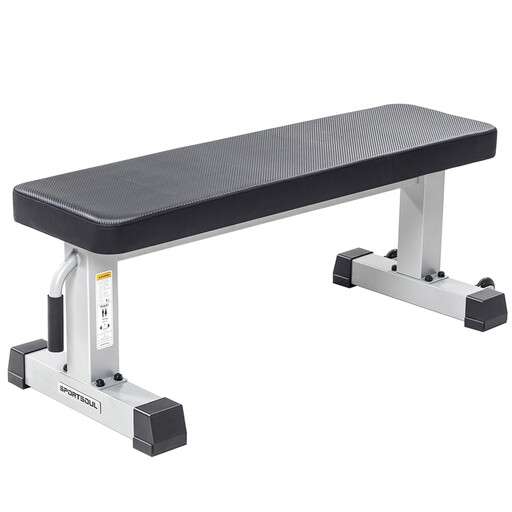
Why This Fits Their Persona: Designed for fitness enthusiasts who need a dedicated bench for strength training in a home gym or flat setting.
Its stated 277 kg limit clarifies the intended user-and-weight load, while wheels assist with moving it into storage.
Carbon steel frame, 117 × 48 × 43 cm dimensions and widened cushioned seat.
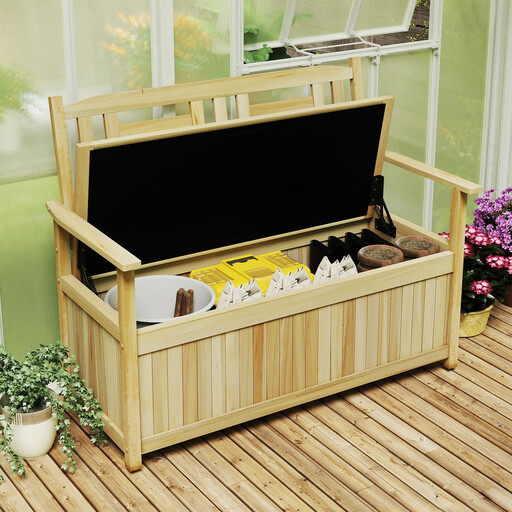
Why This Fits Their Persona: Suitable for households wanting patio seating and a place to organise cushions, garden accessories or other outdoor essentials.
It states separate seat and baseboard capacities, helping buyers distinguish seating load from stored-item load.
185-litre storage volume, poplar wood construction, backrest and armrests.
We have compiled a complete, real-time list of products that fully satisfy these strict selection criteria and UK safety regulations.
They can be suitable where users need flexible seating and easy storage beneath the table. However, they provide no back support, so a bench with a backrest may be more comfortable for longer meals or relaxed seating.
Lifespan depends on construction, frequency of use, load, moisture and maintenance. Solid wood and metal frames can offer durable construction, but fixings, upholstery and outdoor exposure also affect service life. Keeping the bench level, tightening hardware and following cleaning instructions can help maintain it.
Not necessarily. A simple wooden or metal bench may only need regular dusting and occasional wiping. Upholstered benches need prompt attention to spills, while patio benches may require more care because of moisture and seasonal storage. Always follow the product-specific instructions rather than applying household chemicals automatically.