
24/7 Customer Support

Free returns

Same-day & Next-day Delivery

Quality Guaranteed

Unlock Your Welcome Offers: FREE Delivery | Up to 80% OFF | Free 30-day JoyPlus trial
Download the APP
Packing your own lunch is a smart move for your wallet and your well-being. But choosing the right container can be surprisingly tricky. A good bento box can make meal prep a pleasure, while the wrong one can lead to soggy sandwiches, stained containers and wasted money. As the Joybuy Product Recommendation Officer, my role is to help you navigate the options and find a practical solution that fits your daily life.
Before you buy, let's look at three common pitfalls that catch out many UK shoppers and how you can sidestep them to find a lunch box that truly works for you.
The "Leakproof" Promise That Doesn't Hold Up: Many containers are advertised as leakproof, but this claim often comes with caveats. The seal might only work for dry or damp foods, not for dressings or soups. Over time, cheap silicone seals can warp in the dishwasher or lose their integrity, leading to messy spills in your bag. A truly leakproof bento box depends on a high-quality seal and a secure locking mechanism.
Material Mismatches for Your Routine: You find a stylish stainless steel lunch box, only to realise you can't heat your leftovers in the office microwave. Alternatively, you buy a plastic microwave safe bento box that becomes permanently stained and holds onto the smell of last week's curry. The material dictates how you can use, heat and clean your box, so it's crucial to match it to your needs.
Impractical Compartment Design: The idea of a compartment lunch box is to keep food separate and organised. However, many designs feature fixed dividers that are too small for a standard sandwich or too large for snacks, causing everything to get mixed up anyway. A lack of removable dividers or separate sealed pots limits the versatility of your meal prep containers.
To avoid these traps, focus on a few key specifications. Analysing these details will help you find a reliable lunch box for adults or a durable kids bento box.
The material of your bento box is perhaps the most important decision.
stainless steel lunch box is exceptionally durable, resistant to odours and stains and won't leach chemicals into your food. Look for food-grade steel like 304 or 316. It's a fantastic eco-friendly lunch box choice due to its longevity. The main drawback is that it cannot be used in a microwave.Don't just look at the box; inspect the lid. A reliable seal is what makes a bento box genuinely leakproof. Look for a thick, flexible silicone gasket that sits snugly inside a groove in the lid. This should be paired with sturdy, easy-to-use clips or latches on at least two or four sides. This combination creates the pressure needed to prevent liquids from escaping, even when the box is jostled in a bag.
Consider what you'll actually be packing. A large bento box of around 1.5L to 2L is suitable for adult main meals, while smaller boxes under 1L are better for snacks or children's portions. For maximum versatility, look for a compartment lunch box with removable dividers or separate internal containers. This allows you to switch between packing a large salad one day and a sandwich with multiple snacks the next. An included insulated food jar or a small, sealed pot for yoghurt or dressing is also a highly practical feature.
Based on these practical considerations, here are a few options from our catalogue matched to different user needs.
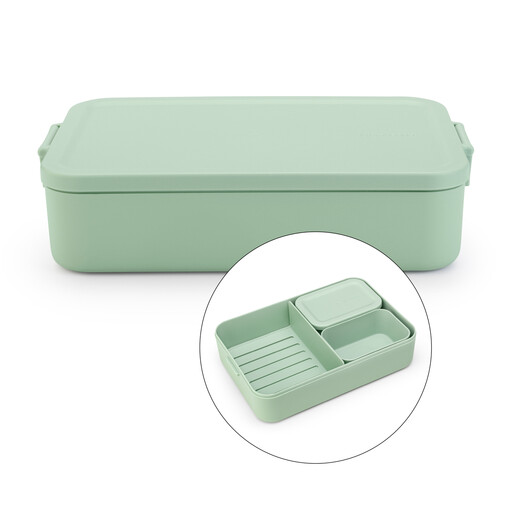
Why This Fits Their Persona: This user needs a versatile, large-capacity container for varied work lunches, from salads to sandwiches. Convenience is key, so being able to microwave, freeze and dishwash the container is a major time-saver.
It tackles the impractical compartment trap with a removable divider and two separate containers, offering true flexibility. The secure clips provide a tight lock, reducing the risk of spills with solid foods.
A generous 2L volume accommodates large meals. It is fully multifunctional: microwave, freezer and dishwasher safe for ultimate convenience.
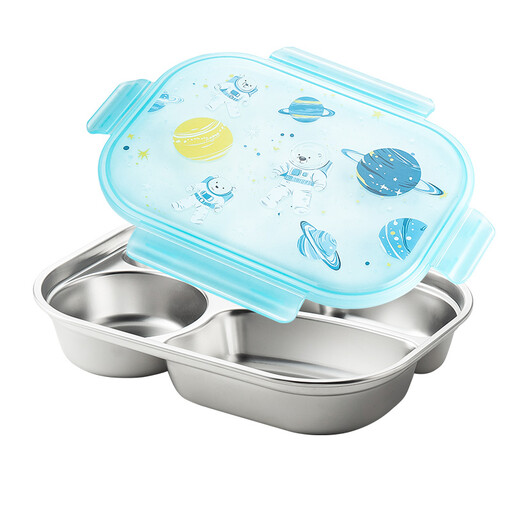
Why This Fits Their Persona: This person prioritises longevity, hygiene and food safety above all else. They dislike plastic and want a container that will not stain, retain odours or break. They typically pack cold or room-temperature meals.
It directly solves the material mismatch trap by using 316L stainless steel, a high-grade, durable and food-safe material. The four-buckle lid provides a secure seal, addressing leak concerns for non-liquid foods.
Extremely durable, rust-resistant, and will not absorb food odours or stains. The fixed compartments are ideal for portion control and keeping flavours from mixing.
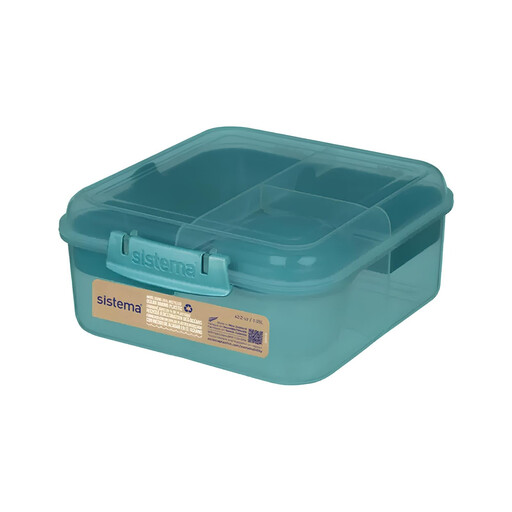
Why This Fits Their Persona: This parent wants a practical, safe and easy-to-clean kids bento box, but also wants to make a purchase that aligns with their environmental values. It needs to be robust enough for a school bag.
This box addresses the material trap by using a specified, BPA-free recycled PP. The design includes a separate 150ml seal-tight pot, solving the problem of packing liquids like yoghurt or dressings securely.
The primary material is 35% recycled ocean-bound plastic, making it a more sustainable choice. Its multiple compartments and separate pot offer excellent versatility for packing varied kids' lunches.
We have compiled a complete, real-time list of products that fully satisfy these strict selection criteria and UK safety regulations.
They are an excellent choice if your priorities are durability, hygiene and avoiding plastic. A stainless steel lunch box will not stain or retain food odours and can last for many years, making it a good long-term investment. However, their main limitation is that they cannot be used in a microwave, so they are best suited for cold meals like salads, sandwiches and snacks, or if you have access to an oven for reheating.
For plastic containers, the key is to wash them as soon as possible after use. For stubborn odours, make a paste with bicarbonate of soda and a little water, spread it inside the container and let it sit for a few hours before washing. Leaving it to air dry in the sun can also help. This is rarely an issue with stainless steel, which is one of its main advantages.
While all bento boxes are lunch boxes, not all lunch boxes are bento boxes. The defining feature of a bento box is its use of compartments to separate different food items. This concept, originating from Japan, is designed for packing a balanced, single-portion meal with various components. A standard lunch box is often just a single, open container.