
24/7 Customer Support

Free returns

Same-day & Next-day Delivery

Quality Guaranteed

Unlock Your Welcome Offers: FREE Delivery | Up to 80% OFF | Free 30-day JoyPlus trial
Download the APP
Berry products can make breakfast, lunch boxes and everyday cooking more convenient, but attractive packaging does not always tell the full story. A “fruit-based” product may contain more sugar than expected, while a large pack may be poor value if it needs special storage or is rarely used.
Whether you are comparing dried goji berries, frozen blueberries, fruit snacks or berry sweets, the label deserves as much attention as the flavour description.
Jam, juice drinks, dried fruit and sweets can all contain berries while having very different nutritional profiles. For example, the listed Shezan Strawberry Jam contains 67g of sugars per 100g, while Ribena Blackcurrant Juice Drink contains 4.7g of sugars per 100ml and uses sweeteners. Neither format should be assessed by its berry name alone.
Check:
Dried strawberries and berry sweets may include sugar, acidity regulators, preservatives, colours or flavourings. Some products are suitable for vegetarians or vegans, while others contain gelatine or sulphites.
Read the full ingredients list rather than relying on front-of-pack wording. For children, pay particular attention to colour warnings and choking guidance. Product labels can change, so always check the packaging supplied with your order.
Frozen blueberries and frozen strawberries require freezer space and should not be refrozen after thawing. Dried berries need a cool, dry place and should be sealed after opening to reduce moisture exposure. A multi-pack of blueberry juice may suit regular users but create unnecessary cost for occasional drinkers.
Compare the usable quantity, storage requirements and expected consumption rate before choosing a larger pack.
Ingredients are generally listed by weight, beginning with the largest component. A strawberry jam with strawberry pulp listed at 25% is different from a product made entirely from strawberries. Similarly, fruit and nut bars may be primarily dates and raisins with a smaller proportion of berries.
For berry ingredients, look for:
Use the standard reference column to compare products fairly. A 35g fruit and nut bar may contain 17g of sugars per bar, but the per-100g figure helps compare it with dried strawberries or berry sweets.
For drinks, compare the values per 100ml and note the bottle or pouch size. “No added sugar” does not mean sugar-free: naturally occurring fruit sugars may still be present.
Choose the format around the way you intend to use it:

Why This Fits Their Persona: A straightforward freezer staple for shoppers who want one berry product for porridge, smoothies and baking without buying several formats.
The ingredient list states blueberries only, making it easier to identify what you are buying instead of relying on flavour claims.
350g pack; suitable for vegan diets according to the listing; keep frozen at -18°C or colder.
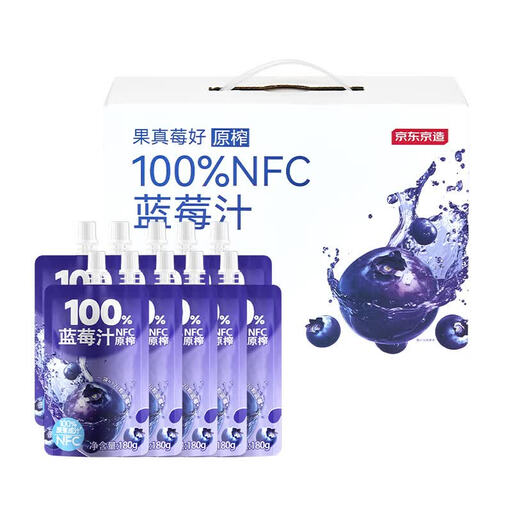
Why This Fits Their Persona: A convenient option for adults who prefer a single-ingredient blueberry juice in individually portioned pouches for work, travel or chilled serving.
The listed ingredients contain blueberries only, helping avoid products where berry flavour comes mainly from concentrates, sweeteners or flavourings.
Ten 180g pouches; ready to drink; the listing records 0g fat and 0g salt per 100g.
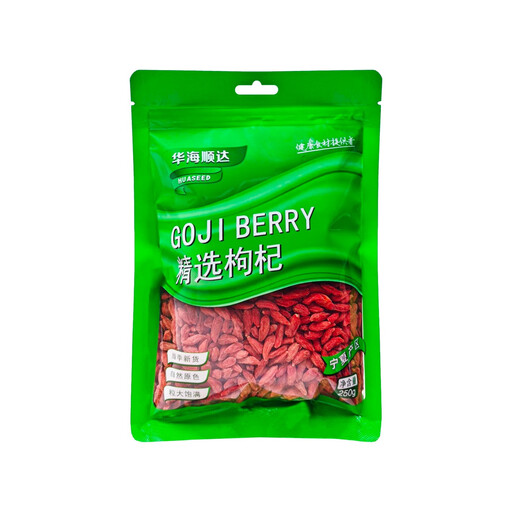
Why This Fits Their Persona: A larger ambient pack for home cooks who regularly prepare Asian-style teas, porridge, soups or other berry ingredients.
The product lists goji berries as 100% of the ingredients, so the larger quantity is not padded with cereal, sugar or flavouring.
250g quantity; suitable for tea, porridge, soup and wine preparation; store in a cool, dry, ventilated place.

Why This Fits Their Persona: Individually sized bars are convenient for desks, packed lunches and days out when refrigeration is not practical.
The ingredients show dates and raisins first, followed by nuts and 1% freeze-dried blueberries, giving a clearer picture than the blueberry-themed name alone.
Four 35g bars; listed as gluten-free and dairy-free; contains almonds and cashews, so check allergy suitability.
We have compiled a complete, real-time list of products that fully satisfy these strict selection criteria and UK safety regulations.
Yes. They can be added directly to smoothies, porridge and baking, although defrosting instructions vary. Keep them frozen at the temperature stated on the packaging and do not refreeze once thawed. For texture-sensitive uses, thaw in the fridge rather than at room temperature.
They are different formats and should be compared by their labels. Juice drinks may contain water, concentrated juice, sugar or sweeteners, while berry sweets commonly contain glucose syrup and substantial sugar. Check the nutrition panel per 100ml or 100g and treat both as part of your overall diet.
Keep unopened packs in a cool, dry place away from direct sunlight. After opening, reseal them tightly or transfer them to an airtight container. Follow the stated best-before guidance and discard products that develop unusual moisture, odour or visible mould.