
24/7 Customer Support

Free returns

Same-day & Next-day Delivery

Quality Guaranteed

Unlock Your Welcome Offers: FREE Delivery | Up to 80% OFF | Free 30-day JoyPlus trial
Download the APP
As a parent in the UK, navigating the warmer months with a baby brings a unique set of challenges, especially when it comes to ensuring a safe and comfortable night's sleep. A 0.5 tog baby sleeping bag is often recommended for summer, but the market is filled with options that can be confusing. Choosing the wrong one can lead to discomfort for your baby and wasted money for you.
Before you buy, it's important to be aware of a few common pitfalls. Many parents find themselves with a product that isn't quite right due to clever marketing or overlooked design flaws.
To make a confident choice, focus on a few core parameters that directly impact safety, comfort and practicality. These are the non-negotiable features to check before adding any baby wearable blanket to your basket.
The TOG (Thermal Overall Grade) rating indicates how much warmth a sleeping bag provides. A 0.5 TOG rating is specifically designed for warm conditions, typically for room temperatures between 24-27°C. Using a bag with this low TOG rating during a British heatwave or in a well-heated nursery helps to reduce the risk of overheating, a key factor in promoting safe sleep for babies. It is the ideal choice for a summer baby sleeping bag.
When the weather is warm, breathability is paramount. A 100% cotton baby sleeping bag is an excellent choice as the natural fibres allow for better air circulation than many synthetic alternatives. Cotton is also soft, absorbent and generally gentle on a baby's sensitive skin, helping to keep them comfortable and dry throughout the night.
Beyond materials and TOG ratings, the physical design of the sleeping bag is critical.
To help you match a product to your specific needs, we've identified a few options that align with these important criteria. Instead of a single "best" choice, we're matching them to different stages of your parenting journey.
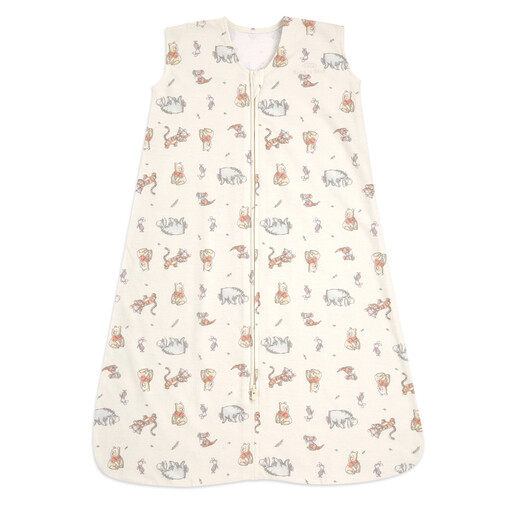
Why This Fits Their Persona: This wearable blanket is designed as a safe alternative to loose blankets in the cot, straight from the newborn stage. It provides a secure sleep environment specifically for the 0-6 month age group, giving new parents peace of mind.
It directly solves the 'impractical zips' problem with an inverted zip that opens from the bottom, allowing for nappy changes without fully unzipping and disturbing the baby.
Its roomy sack design is recognised by the International Hip Dysplasia Institute, directly addressing the need for a hip-healthy shape.
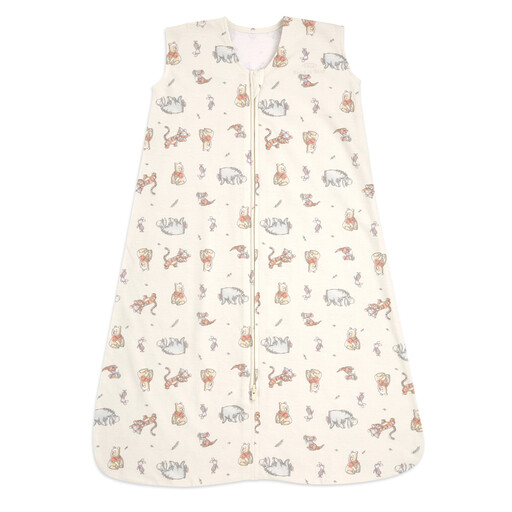
Why This Fits Their Persona: This size is ideal for babies who are rolling, sitting up and becoming more active. It serves as an excellent swaddle transition bag, providing a sense of security for babies who have outgrown swaddling but still benefit from a wearable blanket.
It avoids the 'one-size-fits-all' trap by being specifically sized for the 6-18 month range, ensuring a safe and appropriate fit that doesn't become a hazard as the baby grows.
This product conforms to the British safety standard BS EN 16781: 2018, offering verifiable assurance of its safety credentials for UK parents.
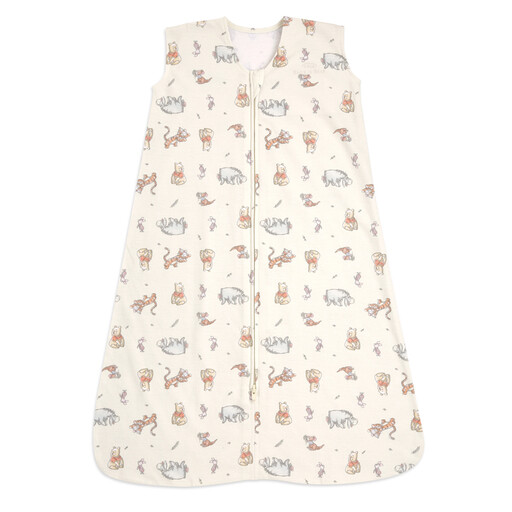
Why This Fits Their Persona: For toddlers who are standing, walking and testing the boundaries of their cot, this sleeping bag provides a familiar sleep cue while remaining a safe alternative to duvets or blankets they might kick off or get tangled in.
The generous sizing for this age group fully supports hip health, allowing for unrestricted movement and kicking without the bag becoming twisted or uncomfortable.
Made from 100% cotton, it remains breathable and comfortable for active toddlers who can generate more body heat, ensuring a restful sleep during warm nights.
We have compiled a complete, real-time list of products that fully satisfy these strict selection criteria and UK safety regulations.
This depends on the temperature of the room. For rooms at the warmer end of the scale (26-27°C), just a nappy may be sufficient. For rooms around 24-25°C, a short-sleeved cotton vest is a common choice. The most reliable way to check is to feel the back of your baby's neck or their chest; they should feel warm, not hot or clammy.
A correctly fitting sleeping bag is crucial for safety. The neck opening should be snug enough that your baby's head cannot slip inside the bag, but you should be able to fit two fingers comfortably between the collar and your baby's neck. The armholes should also be snug for the same reason. The bottom of the bag should offer plenty of room for their legs to bend and move freely.