
24/7 Customer Support

Free returns

Same-day & Next-day Delivery

Quality Guaranteed

Unlock Your Welcome Offers: FREE Delivery | Up to 80% OFF | Free 30-day JoyPlus trial
Download the APP
For many UK families, the dishwasher is the unsung hero of the kitchen. It saves hours of daily washing up and keeps the sink clear. But choosing the right one can be a challenge. The market is filled with models that promise the world, yet often fall short in real-world use. A large capacity dishwasher is a significant investment, and making the wrong choice can lead to years of frustration.
As the Joybuy Product Recommendation Officer, my role is to help you navigate these choices. We will look past the marketing buzz and focus on the practical features that genuinely make a difference. This guide will highlight common purchasing pitfalls and break down the essential specifications to check before you buy, ensuring you find a machine that truly fits your household's needs.
Many shoppers are caught out by a few common issues. Being aware of them can save you from a disappointing purchase.
To avoid these traps, focus on a few non-negotiable specifications. These are the details that determine day-to-day performance.
A 14 place setting dishwasher is the standard for a large capacity dishwasher, but the number itself is only half the story. A "place setting" is a standardised list of items, but it doesn't account for the roasting tins, large saucepans and mixing bowls common in a family kitchen.
Look for a model with a genuinely useful adjustable basket that provides significant vertical clearance. Foldable tines in the lower basket are also essential for creating flat, open space for larger cookware. A top-tier layout allows you to use every inch of the machine without compromising cleaning performance.
With energy bills being a constant concern, the efficiency rating is crucial. Under the current UK system (A-G), a D rated energy efficient dishwasher represents a strong balance between performance and running costs for 2026. While A-rated models are the most efficient, they often come with a much higher price tag.
Also, consider the available cycles. An 'Eco' mode will use the least water and electricity but can take over three hours. For busy days, having a reliable and effective quick wash cycle (around 30-60 minutes) is a practical necessity.
For modern homes, especially those with open-plan kitchen and living areas, noise is a key factor. Aim for a noise level of 46 dB or lower. This is roughly the sound level of a quiet library and will not interrupt conversations or your favourite TV programme.
The machine's construction plays a big part in this. A stainless steel dishwasher tub is generally superior to a plastic one. It's more durable, resists stains and odours and helps to dampen sound. A 60cm freestanding dishwasher is the standard size that fits most UK kitchens, and a well-built one will feel solid and operate smoothly.
Based on these practical criteria, here are our recommendations matched to different household needs.
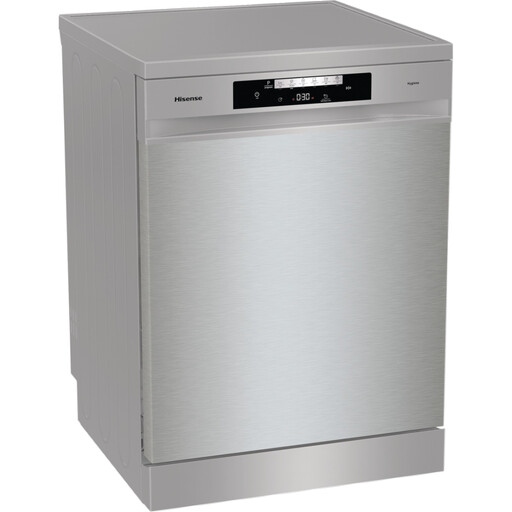
Why This Fits Their Persona: This Hisense dishwasher is built for the demands of a large, active family. Its true 14-place setting capacity and highly flexible racking system easily handle the aftermath of big family meals, including bulky pots and pans.
It directly solves the drying problem with its Auto Dry feature, which automatically opens the door to let steam escape. This ensures even plastic items are cupboard-ready, avoiding the pitfall of wet dishes.
A superb all-rounder, combining a D rated energy efficient performance with a very quiet 46db operation and a sleek stainless steel finish.
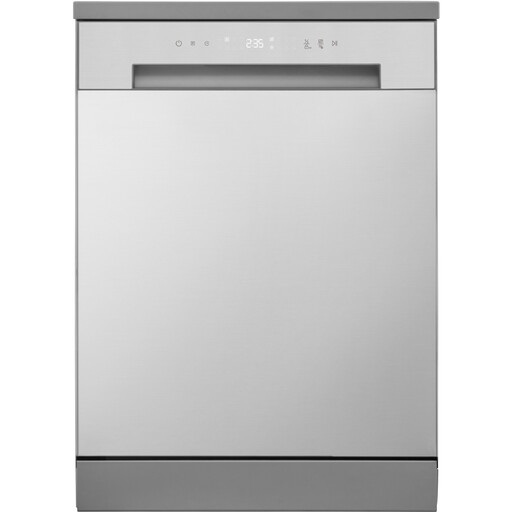
Why This Fits Their Persona: For those whose kitchen is part of their main living space, low noise is the top priority. This LG model is ideal, operating at just 46 dB, ensuring it won't disturb conversations, music or television.
It avoids the "quiet" trap by combining a low decibel rating with a high-quality stainless steel tub, which dampens sound far better than plastic alternatives and adds to the machine's overall durability.
Exceptionally quiet operation ideal for open-plan homes. The adjustable racking and 1-hour quick wash provide practical flexibility for daily use.
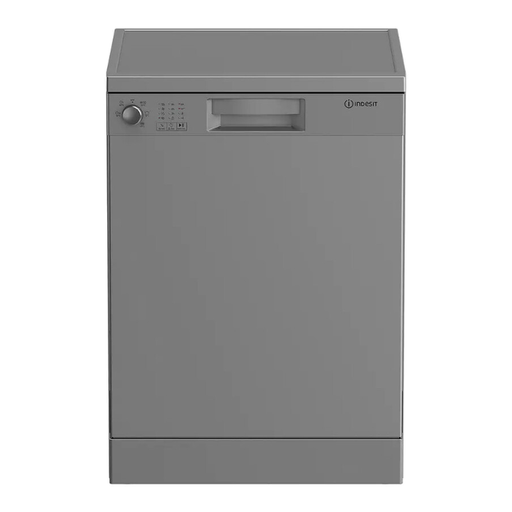
Why This Fits Their Persona: This Indesit model is for the household that needs a reliable, straightforward appliance without paying for features they won't use. It offers a solid 13 place setting capacity and focuses on ease of use.
It avoids the trap of being overly complex. The 'Push&Go' feature starts a standard daily cycle with a single button press, making it incredibly simple for anyone in the family to operate without confusion.
Excellent value and simplicity. The Fast&Clean cycle provides effective cleaning in just 28 minutes, which is a highly practical feature for busy schedules.
We have compiled a complete, real-time list of products that fully satisfy these strict selection criteria and UK safety regulations.
Yes, in most cases a stainless steel tub is preferable. It offers several advantages over plastic: it's more durable and resistant to stains and high heat, it can help dishes dry faster by retaining heat from the wash cycle and it tends to absorb sound better, contributing to a quieter operation. While models with plastic tubs are often less expensive, a stainless steel interior is a worthwhile feature for longevity and performance.
The running cost of a D rated energy efficient dishwasher depends on your electricity tariff and how you use it. An average D-rated model uses around 0.8-0.9 kWh per 'Eco' cycle. You can calculate the cost by multiplying this figure by the price per kWh on your energy bill. To keep costs down, use the 'Eco' setting for most loads and take advantage of any delay timer to run the machine during off-peak hours when electricity rates may be lower.
A well-maintained dishwasher should provide reliable service for approximately 8 to 10 years. The key to reaching and even exceeding this lifespan is regular maintenance. The single most important task is to clean the filter at the bottom of the machine at least once a week. This prevents food debris from clogging the pump, stops unpleasant odours and ensures your dishes get properly clean every time.