
24/7 Customer Support

Free returns

Same-day & Next-day Delivery

Quality Guaranteed

Unlock Your Welcome Offers: FREE Delivery | Up to 80% OFF | Free 30-day JoyPlus trial
Download the APP
A great meal brings people together, but the lingering steam, smoke and cooking odours can be an unwelcome guest. A reliable cooker hood is essential for maintaining a fresh and pleasant kitchen environment. For most UK kitchens, a 60cm cooker hood is the standard size, designed to sit perfectly above a 60cm hob.
Finding the right model, however, involves more than just matching the width. You need to consider installation type, design, noise level and extraction power. This guide is designed to help you navigate these choices, presenting clear information to help you find a cooker hood that fits your kitchen and your cooking style.
Before diving into specific models, let's cover a few key points that will help you narrow down your options.
One of the first decisions you'll face is how your cooker hood will handle the air it extracts.
The cooker hood is a prominent feature in your kitchen, so its appearance matters. The most common types include:
Finishes like a black cooker hood 60cm offer a bold, modern statement, while a classic stainless steel extractor hood provides a timeless, professional look that is easy to clean.
Beyond looks, functionality is paramount. Look for these features:
Here are a few standout models that balance performance, style and practicality for different needs.
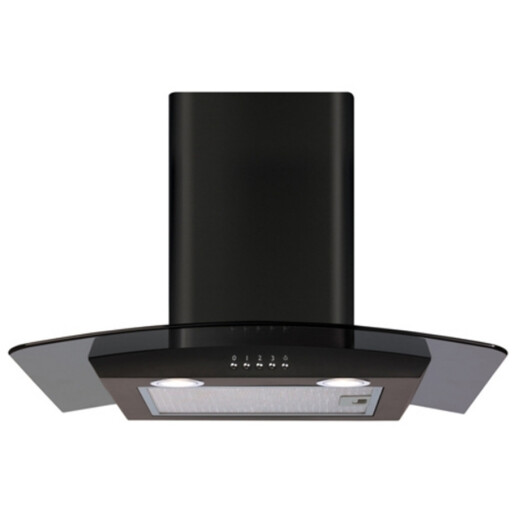
Why It Stands Out: This CDA model combines a striking curved glass extractor fan design with powerful, flexible performance. The sleek black finish makes it a centrepiece in any modern kitchen. With both ducted and recirculation modes, it offers installation flexibility, while the three-speed-plus-boost function provides ample power for everything from gentle simmering to intense frying.
Pros:
Who is it for? This is an excellent choice for style-conscious home cooks who want a functional wall mounted extractor hood that enhances their kitchen's contemporary aesthetic.

Why It Stands Out: For those who love smart technology and energy efficiency, this Ciarra hood is a leading contender. Its A+++ energy rating ensures minimal running costs, while Wi-Fi and app control bring modern convenience to your fingertips. Despite its powerful 650 m?/h maximum airflow, it maintains a relatively low noise level, making it a quiet kitchen extractor fan for its performance class.
Pros:
Who is it for? Ideal for the tech-savvy user who values energy efficiency, powerful performance and the convenience of controlling their kitchen appliances from a smartphone.
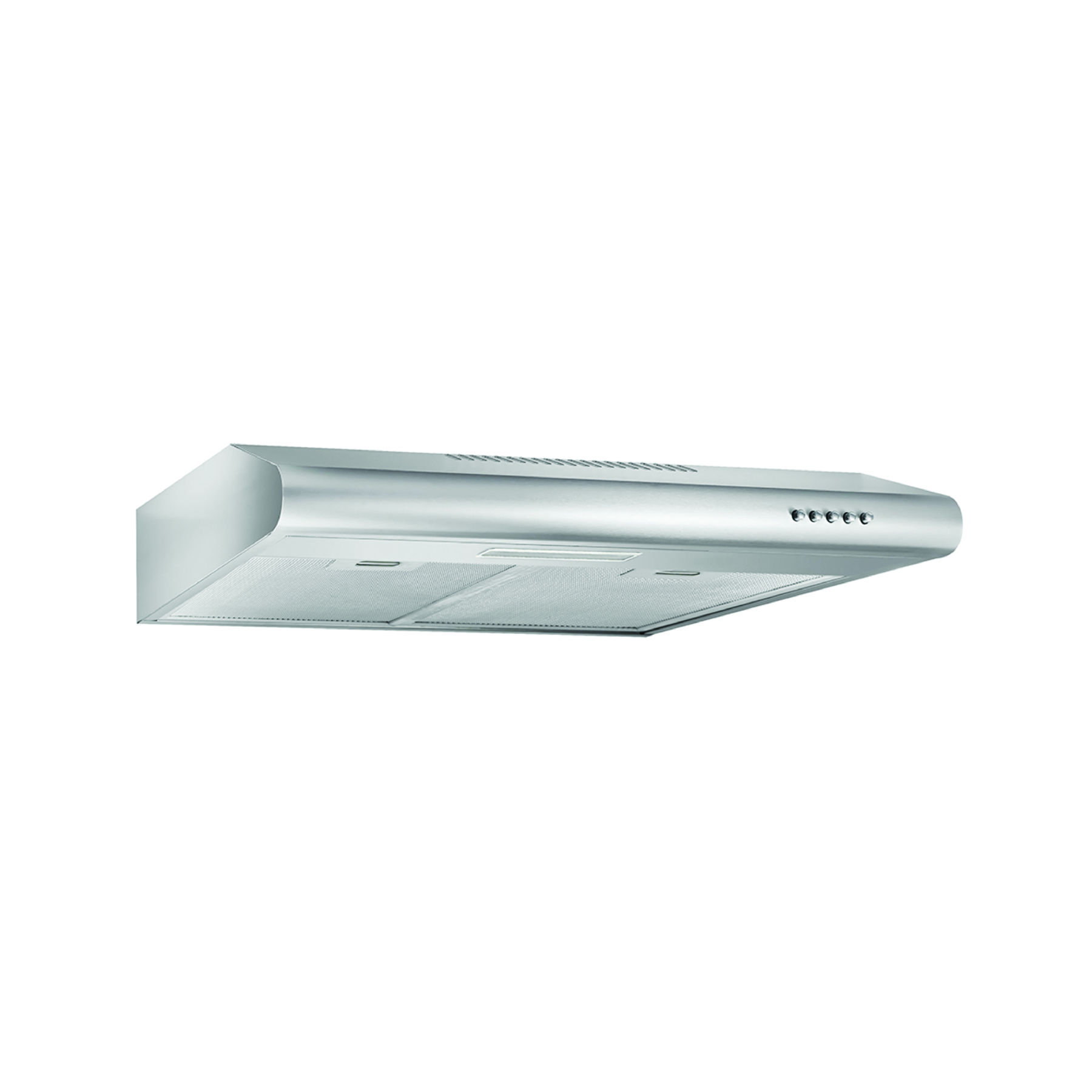
Why It Stands Out: The CDA CST62SS is a practical and reliable visor cooker hood. Its slim, unobtrusive design fits perfectly underneath a kitchen cabinet, saving space while effectively managing steam and odours. The classic stainless steel extractor hood finish is durable and easy to clean, and the simple push-button controls make it straightforward to operate.
Pros:
Who is it for? Perfect for those with smaller kitchens, overhead cabinets or anyone seeking a functional, no-fuss extractor that does its job reliably without drawing too much attention.
While these models cover a range of popular needs, your perfect match might be waiting. If you're looking for different styles, sizes or features, we invite you to browse our complete collection.
Explore our full range of kitchen extractors to find the ideal solution for your home.Explore more options in our oil extractor category
1. How do I know if I need a ducted or recirculating cooker hood? This depends entirely on your kitchen's layout. If you have a wall that leads directly outside, a ducted hood is a great option for maximum effectiveness. If you live in a flat or your hob is on an internal wall, a recirculating cooker hood is the necessary choice. These use carbon filters to clean the air before returning it to the room.
2. What is a good extraction rate for a 60cm cooker hood? For a standard 60cm hob used for everyday cooking, an extraction rate between 300 m?/h and 600 m?/h is generally effective. If you frequently engage in intensive cooking like frying, searing or using a wok, look for a model with a higher rate or a 'boost' function, which can offer over 600 m?/h for short periods.
3. How often should I clean my cooker hood filters? Grease filters (the metal mesh) should be cleaned regularly to maintain performance. A good rule of thumb is every 2-4 weeks, depending on how much you cook. Many are dishwasher-safe. If you have a recirculating hood, the carbon filters cannot be washed and will need to be replaced every 3-6 months to ensure they continue to remove odours effectively.