
24/7 Customer Support

Free returns

Same-day & Next-day Delivery

Quality Guaranteed

Unlock Your Welcome Offers: FREE Delivery | Up to 80% OFF | Free 30-day JoyPlus trial
Download the APP
A cooker hood is an essential appliance in any modern kitchen, working quietly in the background to remove steam, grease and cooking odours. With the standard 60cm width being the most common size in UK homes, the market is filled with options. Choosing the right 60cm cooker hood can feel overwhelming, as you need to balance performance, noise, style and budget.
This guide is designed to simplify your decision. As the Joybuy Product Recommendation Officer, my role is to provide clear, practical advice to help you find a kitchen extractor fan that genuinely meets your needs, without the marketing fluff. We will explore the key features to consider and highlight a few standout models that offer a great combination of function and form.
Before diving into specific products, let's cover a few key considerations. Getting these right will ensure you are happy with your purchase for years to come.
One of the first decisions is how your cooker hood will handle the air it extracts.
Many modern hoods offer both options, giving you flexibility.
These two specifications are crucial for performance.
A kitchen extractor fan 60cm is not just functional; it's a visual element. The main styles include:
Finishes like a modern black cooker hood or a timeless stainless steel extractor fan allow you to match the appliance to your kitchen's overall design.
Here are a few models that stand out for their design, performance and practicality.
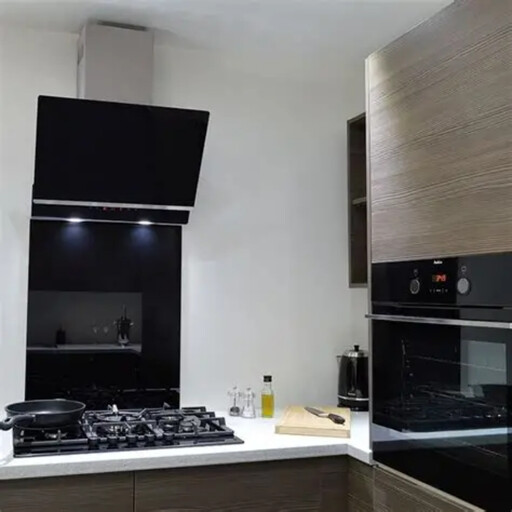
Why It Stands Out: The CDA EVA60BL is a perfect example of a modern angled cooker hood. Its striking black glass finish and sloped design create a sophisticated focal point. Beyond its looks, it delivers serious performance with a powerful boost function that takes the extraction rate up to 615 m?/h, making it ideal for clearing the air quickly after intense cooking.
Pros:
Who is it for? This model is an excellent choice for those with a modern kitchen who want an extractor that is both a design feature and a high-performance appliance.
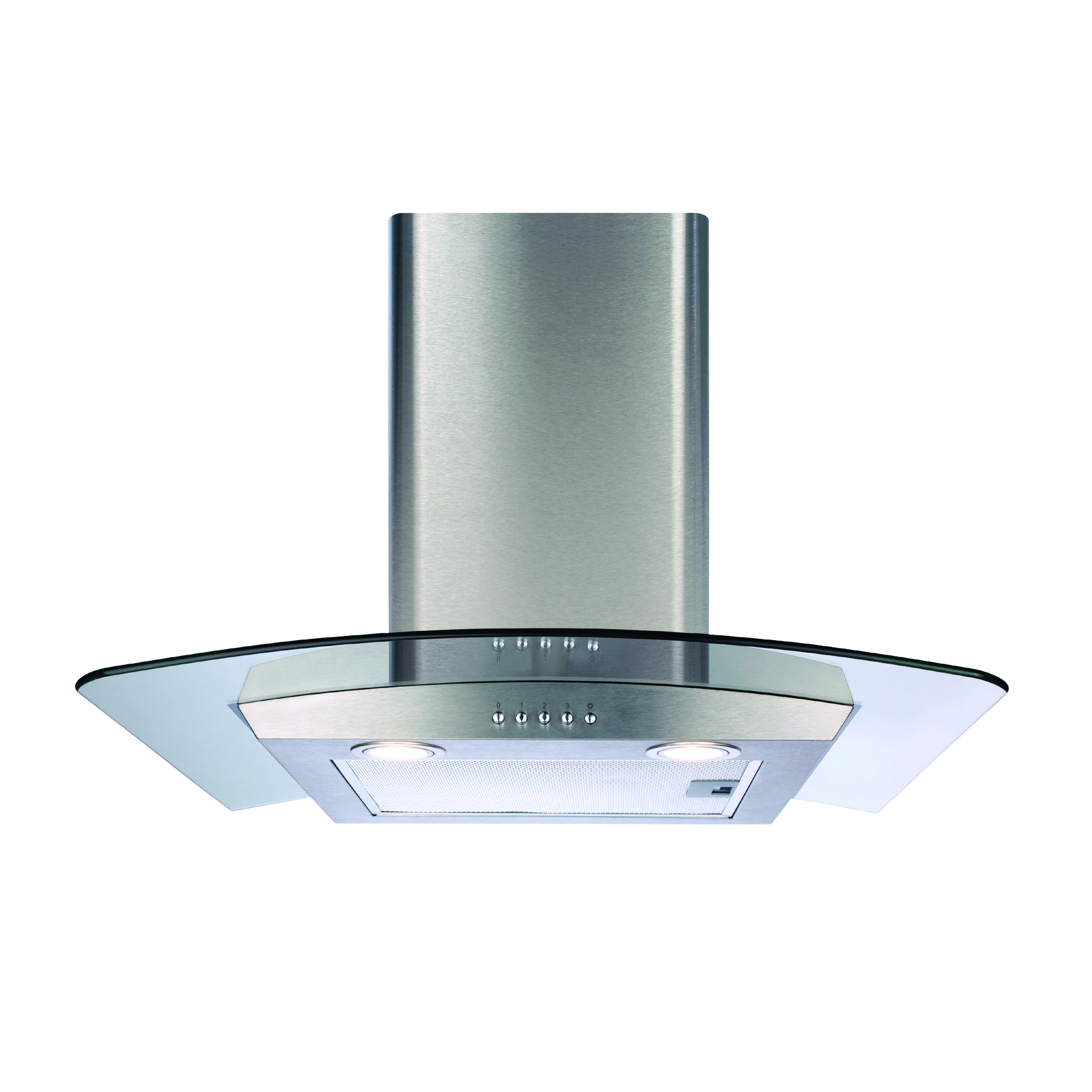
Why It Stands Out: For those who appreciate a more traditional look, the CDA ECP62SS chimney cooker hood offers a classic pyramid design in a durable stainless steel extractor fan finish. It’s a no-fuss, reliable workhorse. The simple push-button controls make it easy to cycle through the three speeds, and its maximum extraction rate of 450 m?/h is more than capable for everyday cooking needs.
Pros:
Who is it for? Ideal for homeowners seeking a dependable, classic-looking extractor that does its job effectively without unnecessary complexity. It's a practical choice for family kitchens.
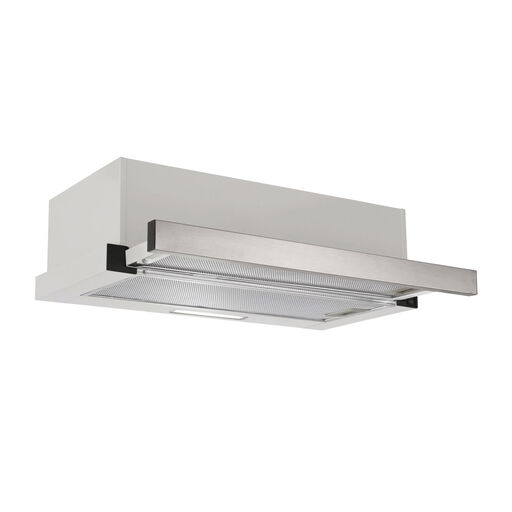
Why It Stands Out: The CANDY telescopic hood is the master of discretion. As a built in cooker hood, it fits seamlessly inside a wall cabinet and slides out only when needed. This makes it the perfect telescopic extractor fan for smaller kitchens or for anyone who prefers a minimalist, uncluttered look. Despite its compact form, it offers a solid extraction rate of 332 m?/h and operates at a quiet 64 dB, ensuring it works effectively without being disruptive.
Pros:
Who is it for? This is the go-to option for those prioritising a clean, integrated kitchen aesthetic, especially where space is at a premium.
The models above represent some of the most popular styles, but every kitchen is unique. If you're looking for a different size, finish or feature set, there are many other excellent choices available.
Explore our full range of cooker extractor fan models to find the perfect fit for your home.
A good baseline is around 300-400 m?/h, which is sufficient for most daily cooking. If you frequently fry, use a wok or cook strong-smelling foods, consider a model with an extraction rate of 500 m?/h or higher to ensure your kitchen air stays fresh.
For optimal performance, washable metal grease filters should be cleaned roughly once a month, or more often with heavy use. Most are dishwasher-safe, which simplifies the process. If you have a recirculating cooker hood, the carbon filters cannot be cleaned and should be replaced every 3 to 6 months, depending on the manufacturer's guidance and your cooking habits.
While a competent DIYer can often install a cooker hood, especially a recirculation model, it involves working with electrics and secure mounting. For ducted models, which require cutting a hole to the outside, or if you are not confident with electrical wiring, it is always recommended to hire a qualified professional for a safe and secure installation.