
24/7 Customer Support

Free returns

Same-day & Next-day Delivery

Quality Guaranteed

Unlock Your Welcome Offers: FREE Delivery | Up to 80% OFF | Free 30-day JoyPlus trial
Download the APP
Navigating the world of high-end televisions can feel overwhelming. With a dizzying array of acronyms like OLED, QLED and Mini LED, and features such as 144Hz refresh rates and Dolby Atmos, it’s easy to get lost in the technical jargon. This guide is designed to cut through the marketing clutter, providing clear, practical advice to help you find a 65 inch 4K Smart TV that perfectly suits your home entertainment needs, whether you're a dedicated gamer, a film aficionado or simply seeking a spectacular viewing experience.
To make an informed decision, it helps to understand the core technologies that define a modern television's performance. Here are a few key areas to focus on.
The panel technology is the heart of your TV, and each type offers distinct advantages.
A TV's refresh rate, measured in Hertz (Hz), indicates how many times per second the image on the screen is updated. While a standard TV uses 60Hz, a premium model with a 120Hz or 144Hz native display offers a significant upgrade. For owners of a TV for PS5 or Xbox Series X and for sports fans, this higher refresh rate translates to exceptionally smooth, fluid motion with less blur, which is critical for fast-paced action. A 144Hz gaming TV offers a competitive edge for PC gamers and ensures the smoothest possible visual performance.
Picture quality is only half the story. A Dolby Atmos TV can create a three-dimensional soundscape where audio feels like it's coming from all around you, including overhead. This technology adds a layer of immersion that standard stereo sound cannot match, placing you right in the middle of the action, whether you're watching a blockbuster film or playing a next-generation game.
Here are our recommendations, selected for their performance, features and suitability for discerning UK viewers.
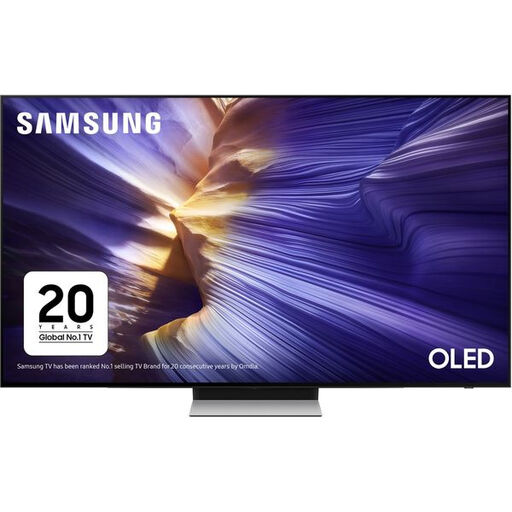
Why It Stands Out: This model combines the perfect blacks of OLED with the vibrant colour of Quantum Dots. Its powerful AI processor and high refresh rate make it a formidable choice for both cinematic viewing and high-performance gaming.
Pros:
Who is it for?: Home cinema enthusiasts and serious gamers who prioritise picture quality and demand a responsive, fluid experience for their next-generation consoles or PC.
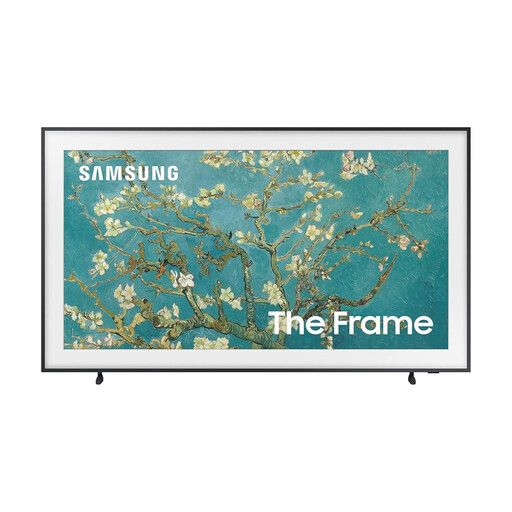
Why It Stands Out: The Samsung The Frame is unique, serving as both a high-performance QLED TV and a customisable piece of art. Its anti-reflection Matte Display and Art Mode allow it to blend seamlessly into any room's decor when not in use.
Pros:
Who is it for?: Design-conscious individuals who want a premium television that complements their interior design, without compromising on smart features or picture quality.
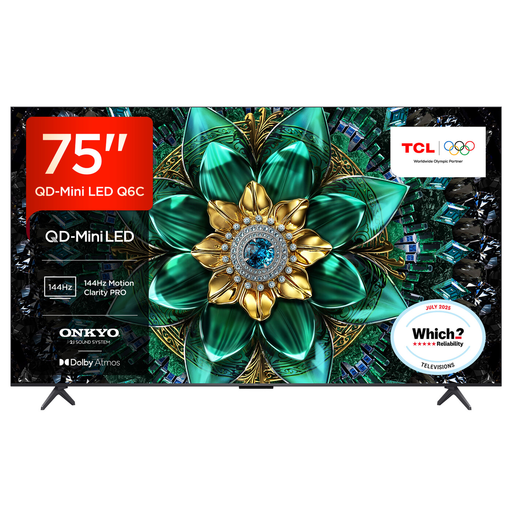
Why It Stands Out: The TCL Q6C series brings advanced Mini LED TV technology and a native 144Hz display, offering outstanding brightness, contrast and gaming fluidity. While we're highlighting the impressive 75 inch TV model here, this series is also available in a 65-inch size, delivering the same core performance.
Pros:
Who is it for?: Gamers and film fans looking for a large-screen TV that delivers cutting-edge display technology and top-tier gaming features.
If these specific models aren't quite what you're looking for or if you're curious about different sizes and feature sets, there are many other excellent choices available.
? Explore our full collection of HDR 4K television models to find the perfect fit for your home.
1. Is a 65-inch TV too big for a typical UK living room? Not necessarily. The ideal TV size depends on your viewing distance. For a 65-inch 4K screen, the recommended viewing distance is typically between 2 and 2.5 metres (around 6.5 to 8 feet). Many modern UK living rooms can comfortably accommodate this, providing a cinematic and immersive experience without causing eye strain.
2. What is the difference between a standard Smart TV and a Google TV? A Smart TV is any television that can connect to the internet and run apps. Google TV is a specific smart TV platform (an operating system) developed by Google. It is known for its content-centric interface that aggregates shows and films from all your streaming services into one place, along with powerful voice control via Google Assistant. Other brands use their own platforms, such as Samsung's Tizen or LG's webOS.
3. Do I need a 144Hz TV for my PS5? The PlayStation 5 and Xbox Series X consoles are designed to output games at up to 120Hz. A 144Hz gaming TV will handle this 120Hz signal perfectly, delivering the smooth, responsive gameplay the console is capable of. The higher 144Hz capability also makes the TV an excellent choice for high-end PC gaming and provides a degree of future-proofing as display technology continues to evolve.