
24/7 Customer Support

Free returns

Same-day & Next-day Delivery

Quality Guaranteed

Unlock Your Welcome Offers: FREE Delivery | Up to 80% OFF | Free 30-day JoyPlus trial
Download the APP
Planning an event, whether it’s a family BBQ, a community fair or a catered function, involves countless details. One of the most practical considerations is tableware. You need something that can handle a proper meal without buckling, all while saving you from a mountain of washing up afterwards. This is where the humble 9 inch paper plate comes in.
As a standard size for main courses, these plates are a staple for any large gathering. But not all disposable plates are created equal. This guide is designed to help you navigate the options, focusing on the features that truly matter—durability, quantity and environmental impact—so you can choose with confidence.
Before you add a pack to your basket, a few key details can make all the difference between a successful event and a soggy disaster. Here’s what to consider.
Plate size dictates its use. While smaller 6 or 7-inch plates are perfect for canapés, cake or side dishes, a 9 inch paper plate is the go-to for serving main meals. This diameter provides ample space for a balanced portion of food—think a burger with a side of coleslaw, a slice of quiche and salad or a generous serving of curry and rice—without feeling cramped or risking spills. For any event where you’re serving more than just light snacks, nine inches is the reliable choice.
The term ‘heavy duty’ is used often, but what does it actually mean? The key indicator of a plate's strength is its material weight, often measured in GSM (grams per square metre). A higher GSM, such as 220gsm, indicates a thicker, more rigid plate that is less likely to bend under the weight of food.
Additionally, look for plates with a coating. A light plastic or wax coating provides a moisture-resistant barrier, preventing oils and sauces from soaking through. This feature is essential for ensuring heavy duty paper plates hold up throughout the meal, giving your guests a much better dining experience.
With sustainability being a growing priority, many are seeking eco-friendly party plates. Terms like 'recyclable', 'biodegradable' and 'compostable' are common, but it's important to know what they mean for disposal.
Always check the packaging for specific disposal instructions and consider what facilities are available in your local area.
After reviewing market options based on durability, value and practicality, here is our recommendation for event planners and hosts.
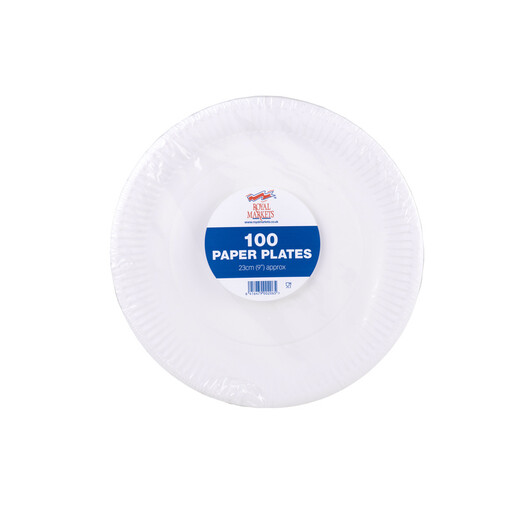
Why It Stands Out: These plates from Royal Markets are a standout choice because they successfully balance strength, convenience and responsible design. Crafted from pure virgin fibreboard with a substantial 220gsm density, they offer the rigidity needed for serving full meals. The plastic-coated surface provides excellent resistance to moisture and grease, reducing the risk of leaks and sogginess, which is a common failing of lower-quality alternatives.
Pros:
Who is it for? These are ideal for event organisers, caterers and anyone hosting a party, BBQ or large family gathering. Their reliability and bulk quantity make them a practical choice for anyone who needs dependable, large disposable plates without the hassle of washing up.
For a complete tableware solution, consider pairing your main plates with a smaller option for desserts or appetisers.
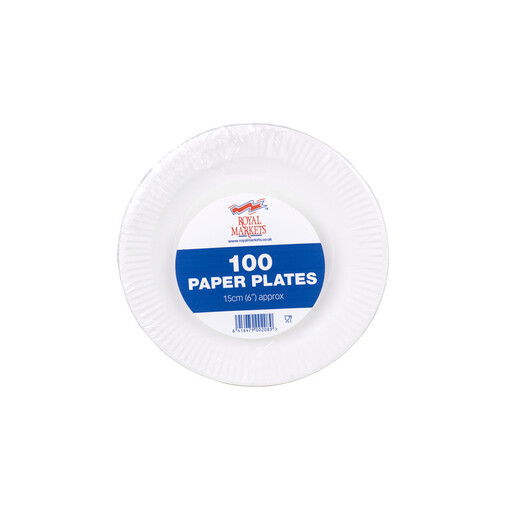
The Royal Markets 6 inch White Paper Plates come in the same convenient pack of 100 and are perfectly sized for serving cake, snacks or small portions. Using both sizes creates a coordinated and practical setup for any buffet or multi-course meal.
While disposable plates offer unmatched convenience for events, sometimes a more permanent solution is required. If you're looking for reusable dinnerware for your home or a special occasion, there are many other styles to consider.
Explore our full range of dinner plates to find options that suit your everyday needs.
1. Are 9 inch paper plates big enough for a main meal? Yes, 9 inches (approximately 23cm) is widely considered the standard size for a dinner plate in the UK. It provides enough room for a main course and one or two sides, making it a versatile choice for everything from buffet lines to sit-down garden parties.
2. What makes a paper plate 'heavy duty'? A 'heavy duty' paper plate is typically defined by its material thickness and resistance to moisture. Key features include a higher GSM (grams per square metre) for rigidity and a coating (often plastic or wax-based) to prevent sauces and oils from soaking through and weakening the plate.
3. Can you recycle coated paper plates in the UK? This depends on your local council's recycling capabilities. While the paper itself is recyclable, the plastic coating can make it difficult for some facilities to process. Many councils advise placing used paper plates (especially those with food residue) in your general waste bin. However, if the product is certified as compostable, it can be disposed of in a commercial food or garden waste bin where accepted. Always check your local authority's guidelines.