
24/7 全天候客户支持

免费退货

当日/次日达

品质保障

开启新人专享福利: 全场免邮 | 低至 2 折 | 免费试用 30 天 JoyPlus 会员
下载 Joybuy
As a Joybuy Product Recommendation Officer, I often see people trying to find the right tools to bring order to their studies or work projects. An A4 project book seems like a simple purchase, but choosing the wrong one can lead to more chaos, not less. Many notebooks look the part on the shelf but fail to stand up to the demands of a busy term or a complex project.
Before you buy, it's worth knowing the common pitfalls that can turn a promising organisational tool into a source of frustration.
To avoid these issues, focus on a few core specifications. Analysing these details will help you find a reliable A4 revision notebook or office notebook with pockets that genuinely helps you stay organised.
Paper quality is measured in grams per square metre (gsm). For a project book intended for heavy note-taking, look for paper that is at least 80 gsm. This weight provides a good balance of thickness and smoothness, significantly reducing the chance of ink bleeding or ghosting through to the other side. It ensures that both sides of every page are usable, effectively doubling the life of your notebook.
The dividers are the heart of any notebook with dividers. Look for ones made from durable polypropylene instead of standard card. Polypropylene is tear-resistant and can often be wiped clean. The most functional project books feature repositionable dividers, allowing you to change the size of each section as your project or semester progresses. Integrated storage pockets in these dividers are also a major advantage for holding loose handouts, receipts or sticky notes.
A strong, twin-wire binding is crucial. It is more robust than a simple spiral and less likely to get crushed or bent out of shape. For the cover, a hard-wearing polypropylene material offers far better protection than a standard cardboard cover. It resists scuffs and spills can be wiped away, keeping your notes protected and looking professional throughout their use.
Based on these practical criteria, here are a few options suited to different needs, from intensive project management to daily note-taking.
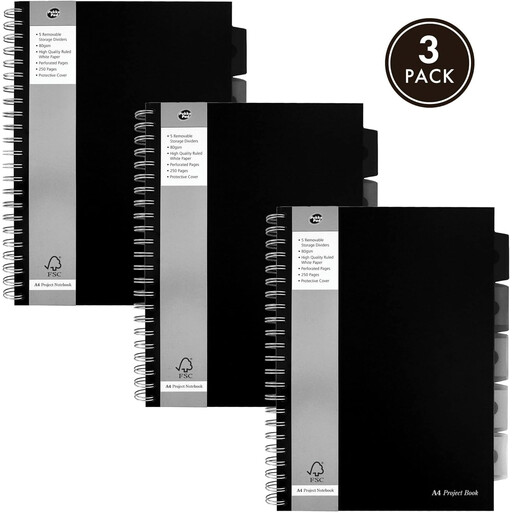
Why This Fits Their Persona: Ideal for students juggling multiple modules or professionals managing several clients. This multipack A4 notebooks option provides a consistent system for organising complex, long-term work.
It features durable, repositionable polypropylene dividers that won't tear easily. The 80 gsm paper prevents ink bleed and the wipe-clean cover protects against daily wear and tear.
The five colour-coded dividers include storage pockets for loose papers. Pages are micro-perforated for clean removal, perfect for filing.
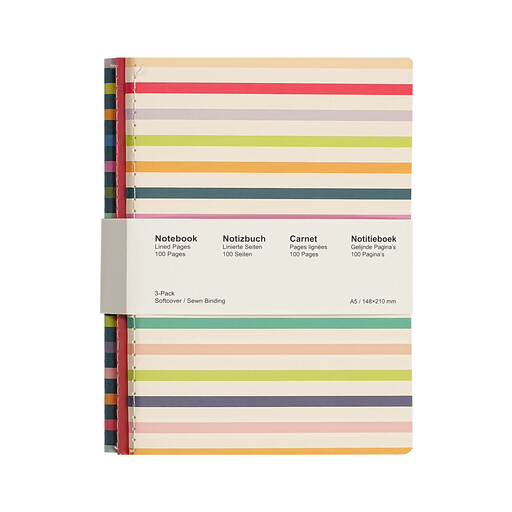
Why This Fits Their Persona: For those who prefer a separate, lightweight notebook for each subject or meeting. This A5 softcover pack is easy to carry and perfect for focused, single-topic use.
By being a dedicated single-subject book, it removes the risk of divider failure. The stitch binding allows it to lay completely flat, avoiding the snagging issues of a damaged spiral spine.
The 80g offset paper is smooth and minimises ink bleed. The lightweight, flexible design makes it highly portable for carrying to lectures or meetings without adding bulk.
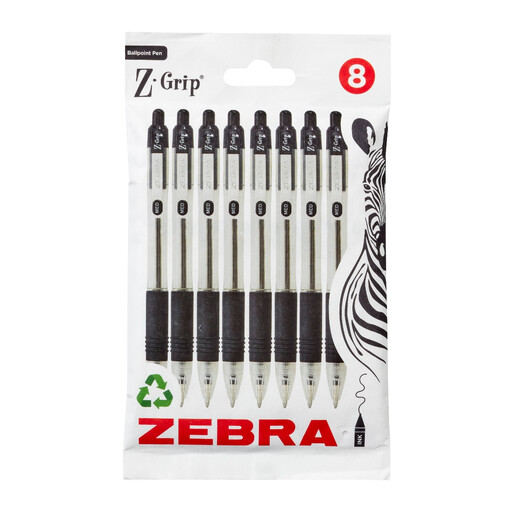
Why This Fits Their Persona: A quality project book deserves a reliable pen. This is for anyone who writes a lot and needs a pen that won't smudge or skip, ensuring notes remain clean and legible.
Its low-viscosity, smear-resistant ink is the perfect partner for 80 gsm paper, preventing the smudging and bleed-through that ruins notes written with inferior pens.
The rubberised comfort grip reduces hand fatigue during long writing sessions. The retractable design means no lost caps and no accidental marks in your bag.
We have compiled a complete, real-time list of products that fully satisfy these strict selection criteria and UK safety regulations.
A standard notebook is typically a single block of paper with one cover. An A4 project book is specifically designed for organising multiple subjects. Its key features are the built-in dividers (often with pockets), a higher page count and perforated pages that allow you to tear them out cleanly for filing.
This depends on your needs. For a single, intensive A-Level or university module, a book with 200-250 pages is usually sufficient to last a full term. If you plan to use one book for multiple, smaller subjects, a higher page count with more dividers would be more suitable.
For the vast majority of writing tools, including ballpoint, rollerball and gel pens, 80 gsm paper provides excellent performance with minimal to no bleed-through. However, very wet fountain pen inks or permanent markers may still be slightly visible on the reverse side, so it is always a good idea to test your pen on a back page first.