
24/7 Customer Support

Free returns

Same-day & Next-day Delivery

Quality Guaranteed

Unlock Your Welcome Offers: FREE Delivery | Up to 80% OFF | Free 30-day JoyPlus trial
Download the APP
Capturing life’s most exciting moments, whether it’s a scenic motorcycle ride through the Peak District or a family day out at the beach, requires a camera that can keep up. An action camera is designed for exactly that—durability, portability and the ability to record high-quality video from a unique first-person perspective. However, with so many models available, choosing the right one can feel overwhelming.
This guide is designed to cut through the clutter. As a Joybuy Product Recommendation Officer, my role is to provide clear, practical advice to help you find a camera that fits your needs and budget. We will explore key features to look for and highlight a few standout options for 2026.
Before diving into specific models, it’s helpful to understand the features that matter most. Focusing on these three areas will ensure you select a camera that performs well for your intended activities.
While many cameras now offer 4K action camera capabilities, it's the frame rate (fps) that determines how smooth your video will look. A standard 30fps is fine for general recording, but for fast-moving sports, 60fps or higher is ideal for capturing fluid motion. Higher frame rates, such as 120fps or 240fps, also allow for impressive slow-motion effects, perfect for highlighting key moments in your footage.
For any activity involving movement—from cycling to skiing—a camera with image stabilisation is essential. Without it, your footage can be shaky and unwatchable. There are two main types:
A true sports camera needs to withstand the elements. Check the specifications for waterproofing. Some cameras are inherently water-resistant to a shallow depth, while others require a separate housing to become a fully waterproof camera for diving or high-impact water sports. Always check the depth rating (e.g., 30 metres with case) and ensure the seals are clean before underwater use.
Based on features, performance and user feedback, here are our recommendations for different needs and budgets.
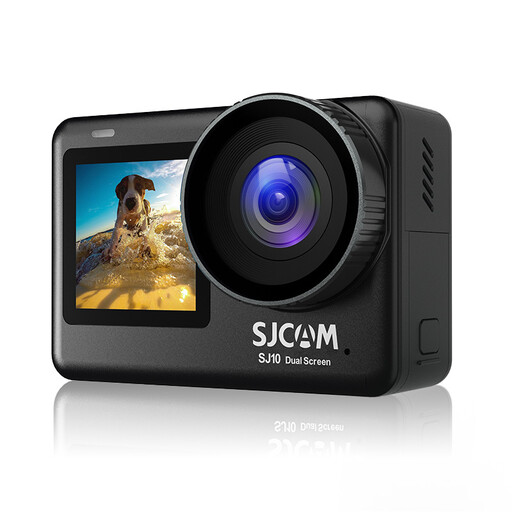
Why It Stands Out: The SJ10 Pro offers a compelling package of high-end features at a competitive price, making it a strong GoPro alternative. Its combination of true 4K/60fps video and advanced 6-axis gyro stabilisation delivers exceptionally smooth and detailed footage, even during intense activities.
Pros:
Who is it for? Action sports enthusiasts, motorcyclists and content creators who need reliable, high-performance video without paying a premium. Its dual screens and stabilisation make it perfect for capturing dynamic, first-person content.
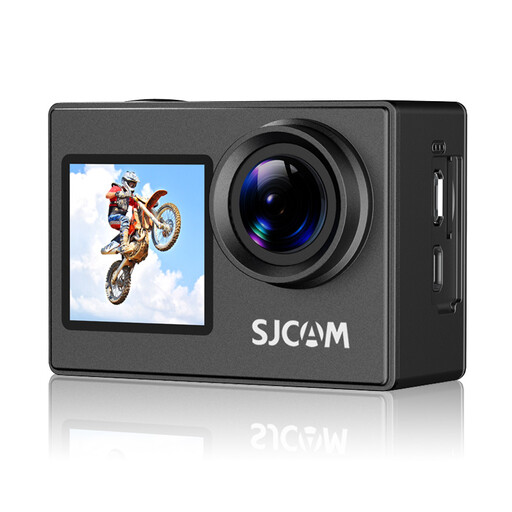
Why It Stands Out: The SJ4000 is an excellent entry point into the world of action cameras. It packs essential features like dual screens, a wide-angle lens and waterproofing (with a case) into an incredibly compact and affordable package. It proves you don’t need to spend a fortune to start capturing your adventures.
Pros:
Who is it for? Beginners, families or anyone on a tight budget. It’s a fantastic, low-risk choice for capturing holidays, cycling trips or casual outdoor fun.
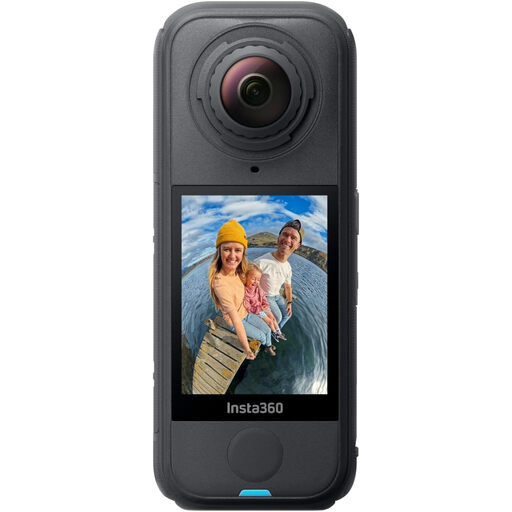
Why It Stands Out: The Insta360 X4 Air redefines creative freedom. As a 360 camera, it captures everything around you in stunning 8K resolution. The "shoot first, frame later" technology means you never have to worry about aiming—just hit record and choose your best angles later in the app.
Pros:
Who is it for? Content creators, travel vloggers and tech enthusiasts who want to push creative boundaries. If you value unique perspectives and post-production flexibility over a simple point-and-shoot experience, this is the camera for you.
While these three cameras cover a wide range of uses, your perfect match might be something else entirely. If you're exploring options more suited for everyday vlogging or capturing great portraits on the go, you may find what you need in a different category.
Browse our curated selection of selfie cameras for more great choices.
1. Do I really need a 4K action camera? For sharing on social media or viewing on a phone, 1080p is often sufficient. However, a 4K action camera provides significant benefits. The footage is more detailed, looks better on larger 4K TVs and gives you the flexibility to crop or zoom in on your video during editing without losing quality. It’s a great way to future-proof your memories.
2. What is the difference between gyro and electronic image stabilisation? Electronic Image Stabilisation (EIS) is a software-based solution that crops the image slightly to counteract camera shake. It's effective for reducing minor jitters. Gyro stabilisation, found in models like the SJCAM SJ10 Pro, uses a physical sensor to detect motion and provides a much higher level of stabilisation, making it superior for high-intensity activities like mountain biking or skiing.