
24/7 Customer Support

Free returns

Same-day & Next-day Delivery

Quality Guaranteed

Unlock Your Welcome Offers: FREE Delivery | Up to 80% OFF | Free 30-day JoyPlus trial
Download the APP
From stubborn price labels on new glassware to unsightly tar spots on your car's paintwork, dealing with sticky residue is a common frustration. Scraping and scrubbing can often lead to scratched surfaces or incomplete removal, leaving you with an even bigger mess. The key to a clean, damage-free finish is choosing the right tool for the job.
As a Joybuy Product Recommendation Officer, my role is to help you navigate the options and find practical solutions that work. This guide will walk you through what to look for in an effective adhesive remover and highlight a few of our top recommendations for 2026 to help you tackle any sticky situation with confidence.
Not all sticky messes are created equal, and neither are the products designed to clean them. Before you make a choice, consider these key factors to ensure you get the best results without damaging your property.
The most important consideration is the surface you are cleaning. A powerful formula that works wonders on glass might be too harsh for your car's clear coat or a plastic trim.
Different adhesives require different solvents to break them down effectively.
How the product is applied can make a significant difference, especially on vertical or awkward surfaces.
Based on their features and intended applications, here are some standout options to consider for your cleaning toolkit.
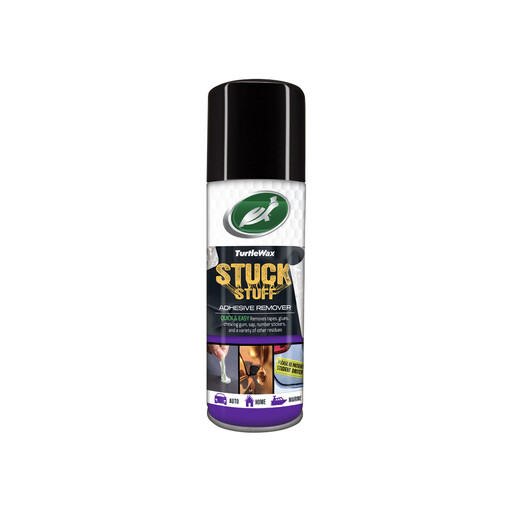
Why It Stands Out: This product is a versatile workhorse, designed to tackle a wide array of sticky problems on multiple surfaces. Its formula is effective against everything from sticker residue and tape to chewing gum and tree sap. The water-rinseable composition simplifies cleanup, leaving no greasy film behind.
Pros:
Who is it for? This is an excellent all-rounder for homeowners and car owners who need a single, reliable solution for various sticky messes around the house and garage.
View Product Details on Joybuy.co.uk
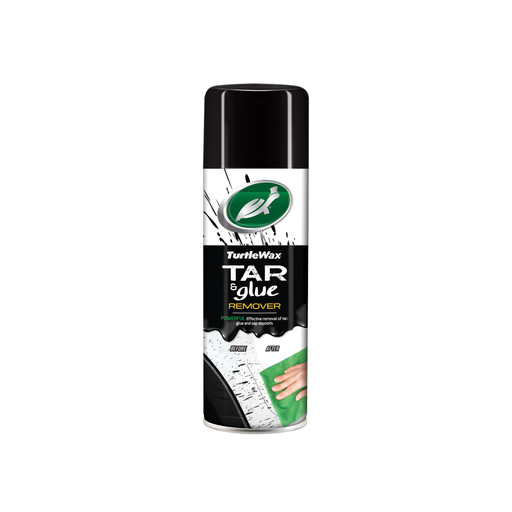
Why It Stands Out: Specifically engineered for tough automotive contaminants, this remover features a non-drip gel formula. This is a significant advantage when working on vertical car panels, as it clings to the surface to dissolve stubborn tar and glue without running off.
Pros:
Who is it for? Car detailing enthusiasts and daily drivers who regularly need to remove road tar, tree sap or old decal residue from their vehicle’s exterior.
View Product Details on Joybuy.co.uk
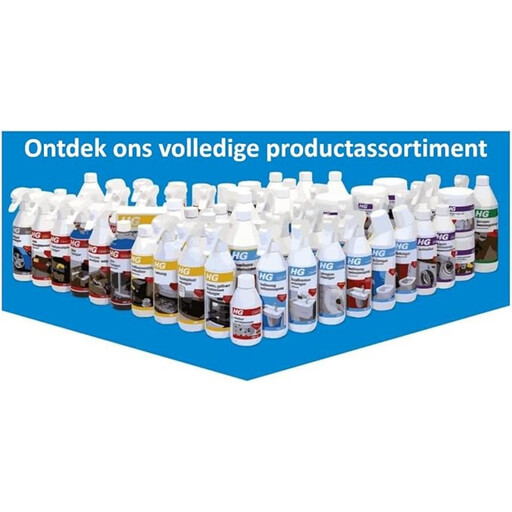
Why It Stands Out: This HG remover is a dependable choice for household tasks, known for its ability to remove a wide range of residues without damaging the underlying surface. It’s a go-to sticky stuff remover for everything from stubborn label remover tasks to cleaning up tar and smear marks.
Pros:
Who is it for? Homeowners, renters and DIYers looking for a reliable and versatile label remover and general adhesive cleaner that is safe for a wide variety of common household surfaces.
View Product Details on Joybuy.co.uk
If your task requires a more specialised solution, or if you simply want to browse other formulations, we have a wider selection available.
Explore our full range of residue remover products to find the perfect match for your specific needs.
Many adhesive removers are specifically formulated to be safe on modern automotive paint and clear coats. Products marketed as a tar remover for cars or car decal remover are generally your safest bet. However, it is always essential to read the product label and test it on a small, hidden area (like a door jamb) before applying it to a visible panel.
While there can be overlap, the main difference lies in their formulation. A tar remover for cars typically contains stronger solvents designed to break down tough, petroleum-based substances like asphalt and road tar. A general sticker remover or sticky stuff remover is formulated for a broader range of common household adhesives found in labels and tapes and may be gentler on a wider variety of materials.
For best results, always follow the manufacturer's directions. The general process is: