
24/7 Customer Support

Free returns

Same-day & Next-day Delivery

Quality Guaranteed

Unlock Your Welcome Offers: FREE Delivery | Up to 80% OFF | Free 30-day JoyPlus trial
Download the APP
Navigating the market for new Android phones in the UK can feel overwhelming. The year 2026 has brought a wave of devices, each packed with impressive specifications and promising revolutionary features. With advancements in artificial intelligence, camera technology and battery performance, it is more challenging than ever to distinguish genuine innovation from marketing hype.
This guide is designed to cut through the clutter. We will provide a straightforward look at some of the most compelling flagship phones available, focusing on their practical features and what sets them apart. Our goal is to help you identify which device truly aligns with your needs, whether you are a creative professional, a busy multitasker or a mobile gaming enthusiast.
Before diving into specific models, it is helpful to understand the key features that define the latest mobile phones in 2026. Focusing on these areas will help you make a more informed decision.
On-device Artificial Intelligence (AI) is no longer a future concept; it is a core feature of modern flagships. An AI smartphone can now assist with complex tasks in real-time. This includes live language translation during calls, summarising long documents and intelligently optimising your camera settings for the perfect shot. When comparing phones, look at how AI is integrated. Does it offer practical tools that will genuinely simplify your daily routine, or is it limited to a few niche functions?
A high megapixel count does not automatically guarantee a great camera phone. The leading devices now combine high-resolution sensors with advanced software and versatile hardware. Look for a system with multiple lenses—typically a main, an ultra-wide and a telephoto lens for optical zoom. Pay attention to features like sensor size, which impacts low-light performance, and the quality of the image processing. The ability to capture sharp, clear photos in various conditions, from bright daylight to dimly lit evenings, is the true mark of a superior camera.
A powerful phone is only useful if it lasts through the day. A phone with best battery life is a common search, and manufacturers are responding with larger battery capacities, measured in milliampere-hours (mAh). A capacity of around 5000 mAh is now a common benchmark for flagship devices. Equally important are fast charging phones. Look for specifications like charging wattage (W), which indicates how quickly the battery can be replenished. The convenience of both wired and wireless fast charging can significantly improve your daily user experience.
Here are a few standout Android phones that are making an impact this year. We have analysed their specifications to highlight what makes each one a strong contender.
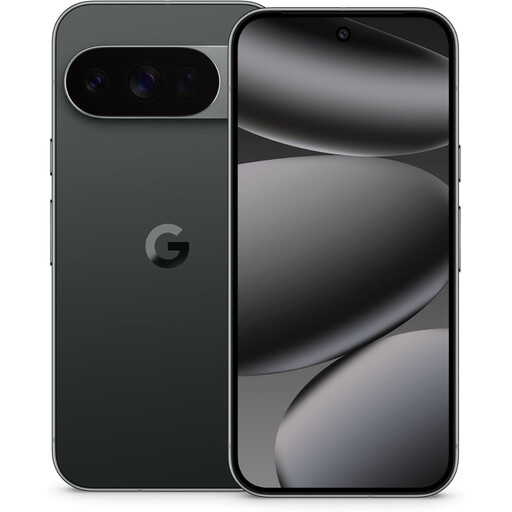
Why It Stands Out: The Pixel 10 Pro is built around Google's vision for a truly helpful AI smartphone. Its integration with Gemini is deeper than ever, offering features like Magic Cue, which proactively provides relevant information and Gemini Live for real-time conversational assistance. The commitment to 7 years of software updates also provides exceptional long-term value and security.
Pros:
Who is it for? This phone is ideal for the user who values smart, intuitive software and a seamless user experience. If you want a device that intelligently assists you throughout your day and has a camera that makes it easy to capture great photos without fuss, the Pixel 10 Pro is a leading choice.
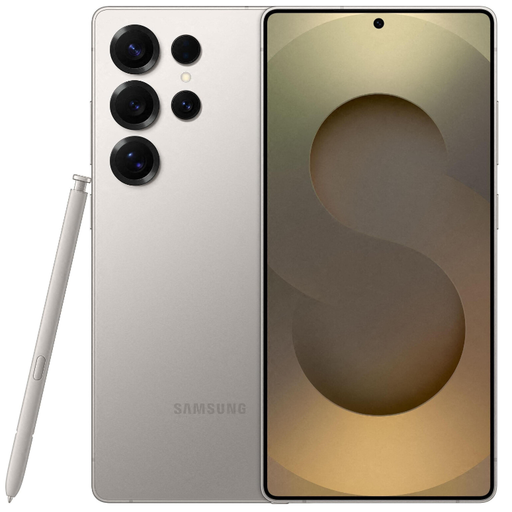
Why It Stands Out: The Galaxy S25 Ultra is an uncompromising powerhouse built for productivity and creative expression. Its standout features are the integrated S Pen and a highly versatile quad-camera system headlined by a 200MP main sensor. The durable titanium frame and expansive 6.9-inch display make it a premium device for those who demand top-tier hardware.
Pros:
Who is it for? The power user. If you are a content creator, a professional who relies on your phone for work or someone who wants the most feature-packed hardware available, the Galaxy S25 Ultra is built for you. The Samsung vs Google phone debate often comes down to this: choose Samsung for hardware versatility and the S Pen, or Google for software purity and AI integration.

Why It Stands Out: The OnePlus 15 focuses on two things: raw performance and exceptional battery endurance. It boasts a colossal 7300 mAh battery and market-leading 120W wired charging, effectively eliminating battery anxiety. Combined with an ultra-smooth 165Hz display, it is a dream device for gamers and heavy media consumers.
Pros:
Who is it for? This phone is for the user who prioritises speed and stamina. If you are a serious mobile gamer who needs the highest refresh rate, or if your biggest frustration with phones is constantly running out of power, the OnePlus 15's focus on battery and charging speed makes it a compelling option.
The three phones above represent some of the most advanced technology available, but the market is full of excellent alternatives. Many users require specific features, such as dual SIM support for managing work and personal numbers or for frequent travel. If you are looking for a device with this capability or simply wish to see a broader flagship phone comparison, we have you covered.
For a wider selection of the latest mobile phones, including many excellent dual sim mobile phones, explore our full range.
1. What is the most important feature in new Android phones in the UK for 2026? While this depends on personal preference, the integration of practical AI has become a defining feature. It enhances everything from camera performance to productivity. Alongside this, significant improvements in battery capacity and fast charging speeds remain critical considerations for most users.
2. Samsung vs Google phone: which is better for me? This choice depends on your priorities. Google's Pixel phones excel with their clean software, deep AI integration and user-friendly camera experience. Samsung's Galaxy Ultra series, on the other hand, often leads with hardware versatility, offering features like the S Pen for productivity and more complex camera systems with greater zoom capabilities.
3. Is it worth upgrading my phone in 2026? If your current phone is more than two or three years old, you will likely notice a substantial improvement. The 2026 models show significant leaps in processor efficiency, AI capabilities and camera quality, particularly in low-light conditions. An upgrade can provide a noticeably faster, smarter and more capable user experience.