
24/7 全天候客户支持

免费退货

当日/次日达

品质保障

开启新人专享福利: 全场免邮 | 低至 2 折 | 免费试用 30 天 JoyPlus 会员
下载 Joybuy
The delicate skin around our eyes is often the first place to show signs of a life well-lived, from late nights to expressive smiles. Fine lines, puffiness and dark circles can leave us looking more tired than we feel. With a market full of promises, choosing an effective anti-ageing eye cream can feel overwhelming. This guide is designed to cut through the clutter, offering clear, practical advice to help you find a product that suits your specific needs and concerns.
We will explore what to look for in a formula and highlight a few standout options, whether your priority is tackling wrinkles, reducing puffiness or embracing natural ingredients.
Making an informed decision starts with understanding what makes an eye cream effective. Here are a few key factors to consider during your search.
The label holds the key to a product's potential. Certain ingredients are well-regarded for their suitability in addressing common eye-area concerns.
The texture of an eye cream can be as important as its ingredients.
The skin around the eyes is exceptionally thin and can be prone to sensitivity. If you have reactive skin, look for formulas that are fragrance-free and ophthalmologist-tested. For those who prioritise sustainability and ethical production, a natural eye cream from a brand with transparent sourcing and cruelty-free practices might be the right choice.
Here are a few noteworthy eye creams that cater to different priorities, from luxurious pampering to targeted, science-led formulas.
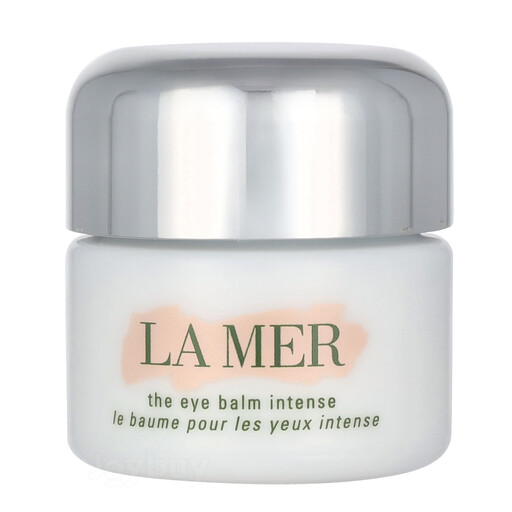
Why It Stands Out: This ultra-luxe balm offers a deeply soothing and hydrating experience. It features La Mer's signature Miracle Broth and is designed to address puffiness and fine lines. The inclusion of a silver-tipped applicator elevates the daily routine, providing a cooling touch that helps to energise the skin upon application.
Pros:
Who is it for? Those seeking a premium, sensorial experience to calm and hydrate the eye area, with a primary focus on reducing visible puffiness and signs of fatigue.
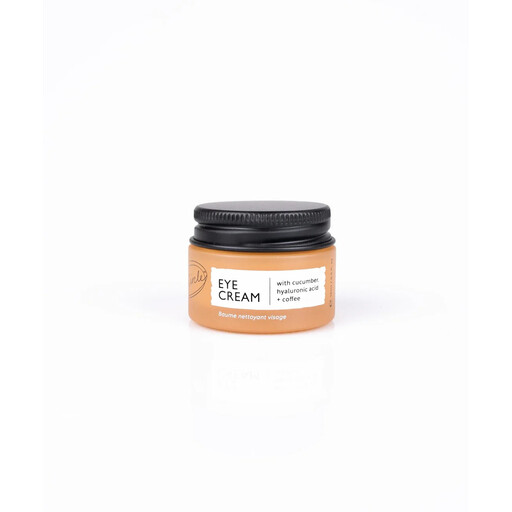
Why It Stands Out: This natural eye cream is built on a foundation of sustainability and ethical sourcing. It uses repurposed coffee grounds, a source of caffeine, to target eye cream for puffiness and dark circles. Combined with hydrating hyaluronic acid and soothing cucumber extract, it offers a gentle yet effective approach to brightening the under-eye area.
Pros:
Who is it for? The ethically-minded individual looking for a gentle, plant-based formula to brighten and de-puff the eye area. It is also a great option for those with sensitive skin.
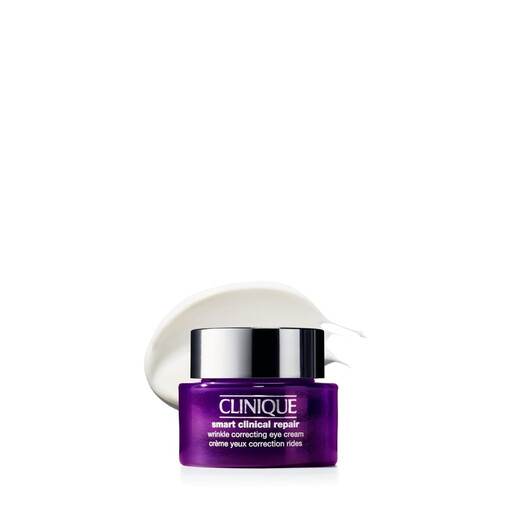
Why It Stands Out: As a dedicated eye cream for wrinkles, this product from Clinique leverages a science-first approach. It is powered by the brand's CL1870 Peptide Complex, which is designed to support the skin's natural structure and create a firming eye cream effect. Its unique airy, whipped texture absorbs quickly without leaving a greasy feel, making it suitable for use under makeup.
Pros:
Who is it for? Anyone whose primary concern is addressing visible lines and wrinkles with a potent, targeted formula that feels comfortable and lightweight on the skin.
Finding the right eye cream is a personal journey. If these recommendations aren't quite what you're looking for, or if you'd like to compare more textures and formulas, there are many other excellent products to discover.
Explore our complete collection of premium eye cream to find your perfect match.
1. When should I start using an anti-ageing eye cream? There is no single correct age, but many people begin incorporating an eye cream into their routine in their late 20s or early 30s as a preventative step. A good rule of thumb is to start whenever you begin to notice concerns like persistent dryness, fine lines or shadows that you would like to address.
2. Can't I just use my regular face moisturiser around my eyes? While you can, it is not always ideal. The skin around the eyes is significantly thinner and more delicate than the rest of your face. Eye creams are specifically formulated to be gentler and are often packed with targeted ingredients to address concerns unique to the eye area, such as puffiness, which most face creams are not designed for.
3. What is the correct way to apply eye cream? Less is more. Take a small amount, about the size of a grain of rice for each eye, onto your ring finger (it has the gentlest touch). Gently tap the product along the orbital bone, which is the bone you can feel around your eye socket. Work from the inner corner outwards and avoid pulling or rubbing the skin.