
24/7 Customer Support

Free returns

Same-day & Next-day Delivery

Quality Guaranteed
Download the APP
Categories
The delicate skin around our eyes is often the first place to show signs of ageing, from fine lines and crow's feet to a loss of firmness. With a market full of promises, finding an effective anti-ageing eye cream that delivers on its claims can feel overwhelming. This guide is designed to cut through the clutter, offering clear, practical advice to help you select a product that genuinely suits your skin's needs.
We will explore key ingredients to look for, highlight what makes a formulation effective and present our top recommendations to help you make an informed choice for your skincare routine.
Selecting the right eye cream for wrinkles involves more than just picking the most appealing packaging. Understanding the formulation and how it aligns with your specific concerns is crucial. Here are a few key points to consider.
The efficacy of an eye cream lies in its active ingredients. Certain compounds are well-regarded for their ability to address signs of ageing.
The skin around the eyes is significantly thinner and more delicate than on the rest of the face. If you have sensitive skin or wear contact lenses, look for products that are specifically labelled as "ophthalmologically tested". Texture is also a matter of personal preference; some may prefer a rich, nourishing cream for overnight use, while others might opt for a lighter, faster-absorbing formula for daytime wear under makeup.
To get the most from your eye cream, apply it correctly. Use your ring finger, which applies the least pressure, to gently tap a small amount (about the size of a grain of rice per eye) around the orbital bone. Avoid pulling or rubbing the skin, as this can contribute to sagging over time.
Based on their formulations and targeted benefits, here are three standout options to consider for your anti-ageing skincare routine.
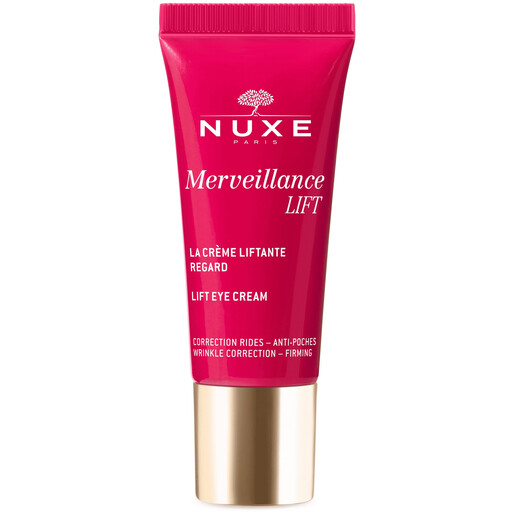
Why It Stands Out: This cream harnesses the power of an ultra-corrective Micro-Algae Oil to deliver a noticeable firming and lifting effect. Its formula, containing 94% natural-origin ingredients, provides intense hydration without a greasy feel, making it a pleasure to use.
Pros:
Who is it for: Ideal for those concerned with loss of firmness and visible wrinkles who appreciate a comforting, nourishing cream with a focus on natural-origin ingredients.
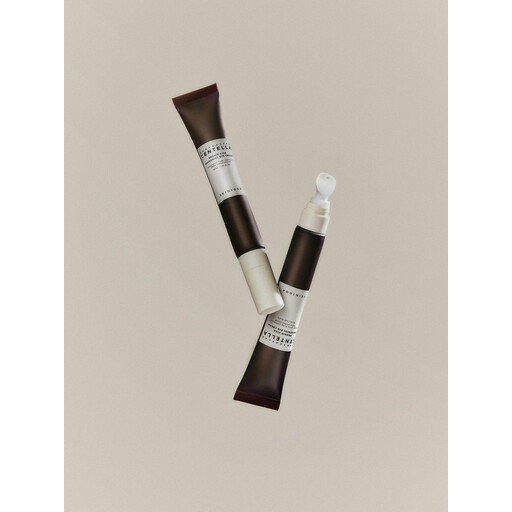
Why It Stands Out: This is a standout bakuchiol eye cream that offers a gentle alternative to retinol. It combines this plant-based active with fermented Centella Asiatica, a hero ingredient for calming and soothing irritated skin, making it a powerful yet gentle option.
Pros:
Who is it for: A perfect choice for individuals with sensitive skin or those new to anti-ageing actives who want an effective under eye wrinkle treatment without the risk of irritation.
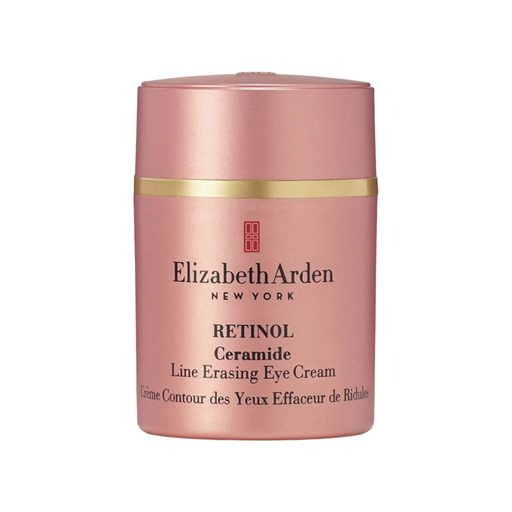
Why It Stands Out: This treatment offers a multi-pronged approach by combining several powerhouse ingredients. The encapsulated retinol targets wrinkles, while ceramides, peptides and niacinamide work together to hydrate, firm and brighten the entire eye area.
Pros:
Who is it for: Best suited for those who are comfortable with active ingredients and are seeking a comprehensive, high-performance retinol eye cream to tackle noticeable signs of ageing.
While these three products offer excellent benefits for a range of concerns, they are just a starting point. Every skin type is unique, and finding the perfect match is a personal journey. If you are still searching for the right fit, we invite you to explore our broader collection.
Discover our full range of Premium Eyecare products to find the ideal formula for your routine.
1. When should you start using an anti-ageing eye cream? There is no strict rule, but many people begin incorporating an eye cream into their routine in their late 20s or early 30s as a preventative measure. It is also perfectly fine to start whenever you begin to notice signs of ageing, such as fine lines or a loss of elasticity.
2. Can I just use my face moisturiser around my eyes? While you can, it is generally not recommended. The skin around the eyes is much thinner and more sensitive. Eye creams are specifically formulated for this delicate area, with textures that are less likely to migrate into the eyes and cause irritation. They are also often ophthalmologically tested for safety.
3. What is the difference between a retinol and a bakuchiol eye cream? A retinol eye cream uses a well-studied Vitamin A derivative known for its effectiveness in supporting collagen and accelerating cell turnover to reduce the appearance of wrinkles. A bakuchiol eye cream uses a plant-derived ingredient that provides similar visual benefits in terms of smoothing and firming but is widely considered to be a gentler alternative, making it more suitable for sensitive skin.